

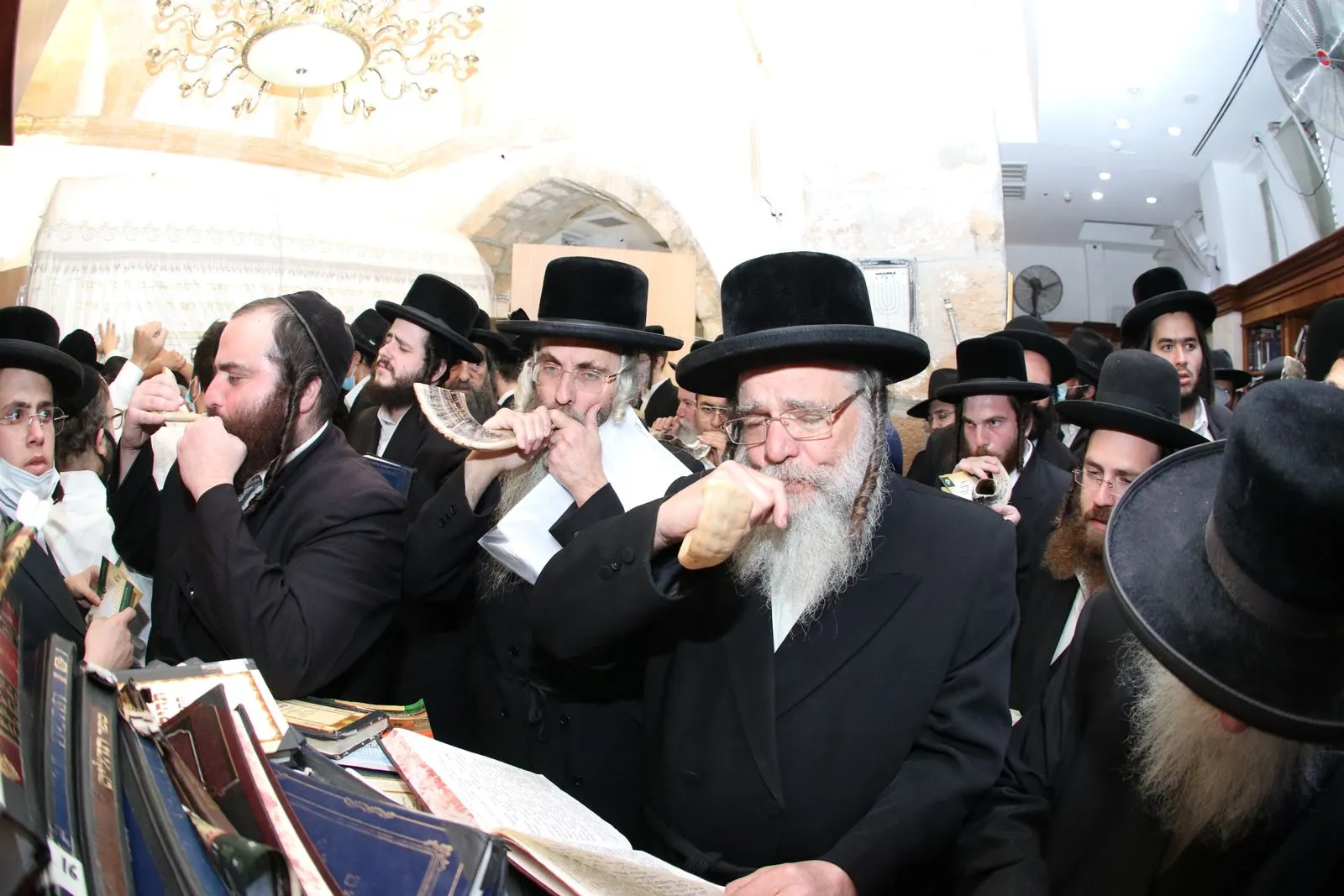
Jewish prayer offers a way to express hopes, seek comfort, and turn to Hashem during important moments in life. For many Jewish people, Jewish prayer at Kever Rachel holds special meaning because Rachel Imeinu is remembered for her compassion and concern for her children. People may pray for family, shidduch, parnassah, shalom bayis, health, or strength during difficult times.
Not everyone can travel to Kever Rachel near Bethlehem, and many people wonder how they can connect with this tradition from home. Jewish life offers meaningful ways to strengthen one's connection through tefillah, Tehillim, Torah learning, mitzvos, and tzedakah. These practices can provide spiritual direction without promising a particular outcome.
Through Mama Rochel Challah and Kever Rochel, people can explore available prayer and participation opportunities while learning about Rachel Imeinu's enduring place in Jewish tradition. Understanding the biblical sources and approaching prayer with sincerity can help make this connection more meaningful.

What Is Jewish Prayer at Kever Rachel?
Jewish prayer at Kever Rachel refers to turning to Hashem in tefillah at Rachel Imeinu's burial place. For many Jews, the site represents compassion, family concerns, and hope. Its significance draws on biblical passages about Rachel and later rabbinic traditions that connect her with concern for her descendants.
Jewish prayer is directed to Hashem, not to the person buried at the site. Some traditional interpretations also describe the merit of the righteous as spiritually significant. These beliefs should be explained carefully, without suggesting that visiting a gravesite guarantees an answer to prayer.
Why Is Kever Rachel Important in Jewish Tradition?
Kever Rachel is important because Rachel Imeinu is one of the Matriarchs of the Jewish people. Her story is connected with loss, maternal love, and hope for future generations. The Torah records her burial, while the Prophet Jeremiah presents Rachel weeping for her children, a passage that has become central to her enduring place in Jewish memory.
What does the Torah say about Rachel Imeinu?
Genesis 35:19–20 describes Rachel's death and burial on the road to Ephrath, identified with Bethlehem. The passage also records Jacob setting up a marker at her grave. This is the biblical foundation for the site's association with Rachel Imeinu.
Jeremiah 31:15–17 later portrays Rachel weeping for her children and then presents a message of hope for their future. The prophetic passage helps explain why Rachel is associated with compassion for the Jewish people during periods of suffering and uncertainty.
How does rabbinic tradition explain Rachel's connection with her children?
Bereishit Rabbah 82:10 offers a rabbinic interpretation connecting Rachel's burial place with the future exile of the Jewish people and her concern for her descendants. This interpretation is distinct from the Torah's account of her burial. It helps explain why many Jews view Kever Rachel as a meaningful place for reflection and prayer.
Why Do People Pray at Kever Rachel?
People pray at Kever Rachel because the site carries deep historical and spiritual meaning for many Jewish families. They may bring concerns about children, marriage, livelihood, health, or family harmony to Hashem. Rachel Imeinu's traditional association with compassion can offer comfort and inspiration during uncertain periods.
Prayer does not require travel to a particular location. A person can pray at home, in a synagogue, or wherever they can focus sincerely. Visiting Kever Rachel or requesting prayers connected with the site may be meaningful, but neither guarantees a specific yeshuah.
How Can Someone Pray at Kever Rachel From Home?
Someone who cannot visit the site can still build a meaningful connection through personal tefillah, Tehillim, Torah learning, mitzvos, and available prayer-request opportunities. The key is to direct prayer to Hashem, choose practices that fit one's circumstances, and approach them with sincerity rather than as a formula for obtaining a guaranteed result.
Consider these four steps:
- Identify your intention. Think about the concern you wish to bring to Hashem, whether it involves family, shidduch, parnassah, or personal strength.
- Make time for tefillah. Speak to Hashem in your own words or use familiar Jewish prayers.
- Add a meaningful practice. Consider learning Torah, saying Tehillim, or giving tzedakah according to your means.
- Check available opportunities. Visit Kever Rochel's official website for current information about prayer requests and participation.
What can I include in my tefillah?
A personal tefillah can include an honest description of your concern, gratitude for what you have, and a request for Hashem's help, wisdom, strength, or peace. You may mention loved ones by name and pray for their well-being. There is no need for elaborate wording; sincerity and humility are important.
For example, someone praying for a child might ask Hashem for protection, health, good guidance, and spiritual growth. Someone hoping for shidduch might pray for a suitable match, patience, and the ability to build a healthy Jewish home.
How Are Challah Baking and Hafrashas Challah Connected to Prayer?
Challah baking can provide an opportunity to connect a traditional Jewish practice with reflection, community, and personal tefillah. Hafrashas Challah is the mitzvah of separating a portion of dough when the applicable halachic requirements are met. Some women use this time to pray for their families and other concerns.
A Kever Rachel Challah Bake may bring participants together around challah preparation and Jewish tradition. The details depend on the specific event, so check the organizer's current information before participating. Challah baking and Hafrashas Challah should not be presented as practices that guarantee a blessing or a particular answer to prayer.
What is a Kever Rachel Challah Bake?
A Kever Rachel Challah Bake is a gathering that connects challah preparation with the spiritual themes associated with Rachel Imeinu and Kever Rachel. Event formats and activities can vary. Before registering, confirm the date, location, participation requirements, and any prayer opportunities directly with the organizer.
Mama Rochel Challah and Mosdos Kever Rachel share information through keverrochel.org. Consult the website for current details rather than relying on outdated announcements.
What does Hafrashas Challah Kever Rachel mean?
The phrase connects the mitzvah of separating challah with prayer opportunities associated with Kever Rachel. Hafrashas Challah has specific halachic requirements, so anyone observing the mitzvah should follow reliable Jewish legal guidance. Its spiritual meaning can be important without treating it as a guarantee of a desired outcome.
How Does Challah Bake Name Submission Work?
A Challah Bake name submission may allow someone to provide a name for inclusion in a prayer-related activity. The process depends on the organizer and the specific program. Before submitting information, check whether submissions are open, what details are needed, and how the names will be used.
Kever Rochel has featured opportunities to submit names for tefillah at Kever Rachel. Availability and procedures may change, so review the current information on the official website before submitting a request. A name submission is a way to request prayer, not a promise of a particular result.
How Can Kever Rachel Charity Support Torah and Prayer?
Kever Rachel charity may refer to tzedakah supporting religious work associated with Kever Rachel, including Torah learning and tefillah. Mosdos Kever Rachel describes its work and participation opportunities through its official website. Review the current donation information to understand the purpose of a contribution before giving.
Tzedakah is a mitzvah that allows people to support meaningful causes according to their means. It should not be viewed as purchasing a blessing or guaranteeing a yeshuah. Giving with sincerity and responsibility can be part of a broader commitment to Jewish values.
A Practical Checklist for Meaningful Tefillah
Before taking part in a prayer opportunity, consider the following:
- Identify the person or concern you wish to include in your prayers.
- Set aside time for personal tefillah or Tehillim.
- Consider Torah learning, a mitzvah, or tzedakah.
- Verify current challah bake and name-submission details.
- Follow reliable halachic guidance for Hafrashas Challah.
- Approach prayer with emunah, patience, and realistic expectations.
Conclusion
Jewish prayer at Kever Rachel brings together biblical history, rabbinic tradition, and the enduring image of Rachel Imeinu's concern for her children. For many Jewish people, Kever Rachel offers a meaningful setting for reflection and tefillah during difficult or uncertain periods.
Whether through personal prayer, Tehillim, Hafrashas Challah, Torah learning, or tzedakah, people can strengthen their connection with Jewish tradition in practical ways. These practices can provide spiritual direction and purpose without promising a particular outcome.
Mama Rochel Challah and Kever Rochel offer a way to explore opportunities connected with prayer and Jewish community life. To check current name-submission options, events, or ways to support Torah learning and tefillah.
FAQs
1. What is the meaning of Jewish prayer at Kever Rachel?
Jewish prayer at Kever Rachel is a way for people to turn to Hashem at a site associated with Rachel Imeinu. Many connect the location with compassion, family concerns, and hope. Jewish tradition distinguishes prayer directed to Hashem from beliefs about the spiritual significance of the merit of the righteous.
2. Can I submit a name for prayer at Kever Rachel?
Kever Rochel has featured a name-submission opportunity for tefillah at Kever Rachel. Check the official website to confirm whether submissions are currently available, what information is required, and any participation terms. Submitting a name requests prayer but does not guarantee a particular outcome.
3. What is a Kever Rachel Challah Bake?
A Kever Rachel Challah Bake connects challah preparation with Jewish tradition and spiritual reflection. Depending on the event, it may include prayer or other activities. Check the organizer's current announcement for details, and remember that challah baking does not guarantee a specific blessing or yeshuah.
4. What is Hafrashas Challah Kever Rachel?
Hafrashas Challah Kever Rachel describes the connection between the mitzvah of separating challah and prayer opportunities associated with Kever Rachel. Hafrashas Challah has specific halachic requirements, so participants should follow reliable Jewish legal guidance. The practice can be meaningful without being treated as a guarantee of answered prayer.
5. How can I support Kever Rachel through charity?
Explore tzedakah opportunities through the official Kever Rochel website and review the current information about the purpose of each contribution. Supporting Torah learning and prayer-related work can be a meaningful expression of Jewish values. Donations should be made responsibly and should not be viewed as purchasing a blessing or guaranteed result.





















Sign in to leave a comment.