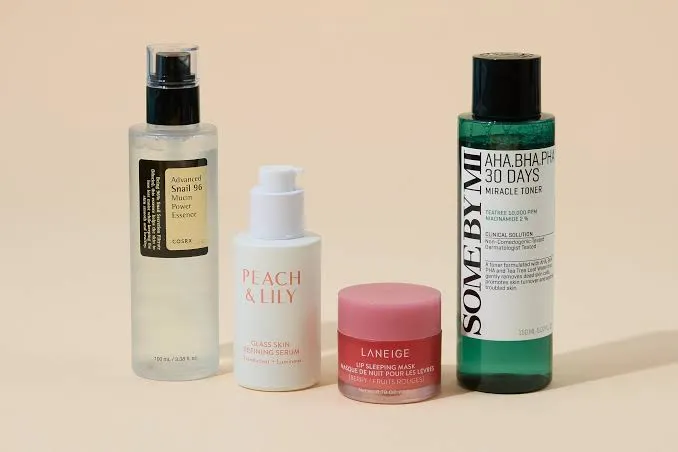


K-beauty has grown from a distinctive Korean beauty approach into a globally recognised category spanning facial skincare, colour cosmetics, hair care, body care, fragrances, and beauty devices. Korean brands are known for ingredient-focused formulations, innovative textures, routine-based consumption, and frequent product development. Social media, Korean entertainment, international tourism, and digital commerce are also helping consumers discover and purchase Korean beauty products across a wider range of countries.
A recent study by MarkNtel Advisors highlights that the K-beauty products industry was valued at USD 16.18 billion in 2025 and reached USD 17.27 billion in 2026, with the market set to reach USD 23.29 billion by 2032, registering a CAGR of 5.11% during 2026–2032. Asia-Pacific leads regional demand with approximately 68% share, while facial skincare contributes nearly 60% and female consumers account for around 77% of demand.
Facial Skincare Remains the Core Category
Facial skincare continues to lead K-beauty consumption, supported by demand for cleansers, toners, serums, moisturisers, masks, and targeted treatments. Korean beauty routines traditionally emphasise consistent skincare, hydration, prevention, and skin-barrier care, encouraging consumers to purchase multiple products for different stages of their routines.
The strong focus on facial skincare also creates opportunities for premium and dermatology-inspired formulations. Consumers are increasingly interested in products that combine functional ingredients with specific benefits such as hydration, soothing, brightening, anti-aging, and barrier repair.
According to Korea.net, Korean cosmetics exports reached a record USD 11.4 billion in 2025, with skincare products accounting for USD 8.54 billion. This demonstrates the continuing importance of skincare within Korea’s international beauty trade.
Skinimalism Simplifies Beauty Routines
Consumers are increasingly moving toward simpler and more efficient skincare routines. The trend, often described as skinimalism, focuses on using fewer products with stronger functionality rather than following lengthy multi-step regimens.
This shift is encouraging brands to develop multifunctional products that combine hydration, soothing, barrier support, and other benefits. Simplified routines can also appeal to consumers who want effective skincare without spending significant time applying multiple products.
For K-beauty companies, this trend creates opportunities to position products around efficacy, ingredient transparency, convenience, and clinically supported benefits.
Korean Culture Strengthens Beauty Influence
The global popularity of Korean entertainment continues to support awareness of Korean beauty. K-pop, television dramas, social media creators, and Korean lifestyle content introduce international audiences to Korean skincare routines and beauty preferences.
The connection between cultural influence and beauty consumption is becoming increasingly visible in export performance. Korean cosmetics reached 202 countries in 2025, compared with 172 destinations in 2024, while the United States became the largest export destination with USD 2.2 billion, followed by China at USD 2 billion and Japan at USD 1.1 billion.
This wider geographic reach gives Korean brands access to diverse consumer groups and reduces dependence on individual countries.
Digital Commerce Expands Brand Reach
Online platforms are changing how consumers discover K-beauty products. Social media content, product reviews, tutorials, influencer recommendations, livestream shopping, and online marketplaces allow brands to communicate directly with consumers.
Digital commerce is particularly useful for emerging Korean brands because it can provide international visibility without requiring extensive physical distribution networks. Consumers can also compare ingredients, prices, reviews, and product benefits before purchasing.
However, dependence on social platforms can create challenges around changing algorithms, rising customer acquisition costs, and competition for digital visibility. Brands are therefore increasingly combining digital channels with physical retail, pop-ups, department stores, and beauty-specialty outlets.
Asia-Pacific Leads Consumer Demand
Asia-Pacific accounted for approximately 68% of K-beauty demand in 2026. Geographic proximity, established beauty ecosystems, cultural familiarity, and awareness of Korean skincare routines support the region’s leading position.
China, Japan, and Southeast Asia remain important destinations, while India and other emerging economies provide additional opportunities. Localised marketing, regional e-commerce partnerships, and product adaptation can help Korean brands address differences in climate, consumer preferences, purchasing power, and beauty routines.
Female Consumers Drive Routine-Based Purchases
Female consumers accounted for around 77% of K-beauty demand in 2026. Higher product adoption, structured skincare routines, and strong engagement with beauty innovation contribute to this leading position.
At the same time, male grooming is creating opportunities for broader category expansion. Brands are introducing simplified routines, multifunctional products, and targeted skincare solutions to appeal to male consumers who are becoming more interested in personal care.
Global Exports Support Industry Expansion
Korean cosmetics continue to strengthen their international presence. Official government data shows that cosmetics exports increased 12.3% in 2025 to USD 11.4 billion, while the number of export destinations increased substantially. The United States, China, and Japan remained the three largest destinations.
The diversification of export markets is particularly significant because it gives brands opportunities to build stronger positions in Europe, Southeast Asia, the Middle East, and other emerging regions.
Innovation Keeps Brands Competitive
The competitive landscape includes major beauty groups, contract manufacturers, established brands, and rapidly growing indie companies. Leading players benefit from strong research capabilities, manufacturing networks, established distribution, and extensive portfolios, while smaller brands often compete through niche positioning, social-commerce visibility, and rapid product innovation.
This combination creates a highly dynamic environment where new ingredients, textures, packaging formats, and beauty concepts can quickly influence consumer preferences.
K-Beauty Products Build a Global Beauty Identity
K-beauty products are increasingly defined by skincare expertise, innovation, cultural influence, digital discovery, and international accessibility. Facial skincare remains the strongest category, while simplified routines, premium formulations, e-commerce, and expanding international distribution are reshaping how consumers interact with Korean beauty.
As the industry reaches USD 23.29 billion by 2032, continued development will depend on product innovation, effective international distribution, digital engagement, consumer trust, and the ability of Korean brands to adapt their formulations and marketing strategies to changing beauty preferences worldwide.















Sign in to leave a comment.