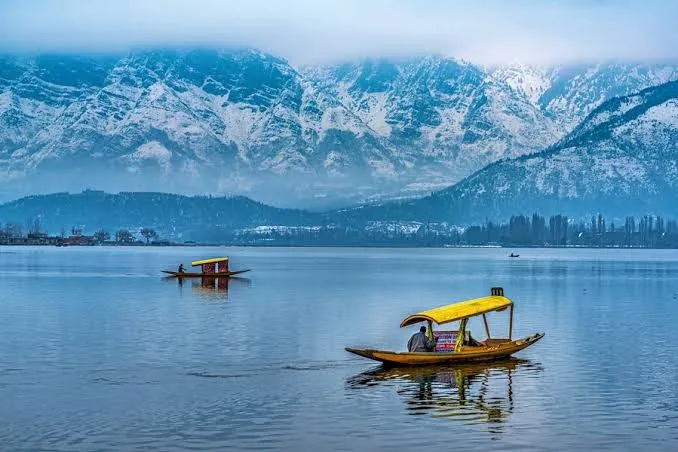

Planning a short escape to the Kashmir Valley requires a thoughtful balance between scenic transit and immersive sightseeing. With high-altitude passes, shifting weather conditions, and distinct regional hubs, navigating this mountainous paradise efficiently is essential for maximizing your journey. Drawing from on-ground logistical expertise and local route management, this 3-day guide outlines the most practical, high-value circuit connecting Srinagar, Gulmarg, and Pahalgam.
Day 1: Arriving in Srinagar and Exploring Dal Lake
Your journey begins at Sheikh ul-Alam International Airport in Srinagar. For a smooth transit, secure pre-arranged private transport to your chosen accommodation, ideally a heritage wooden houseboat docked along Boulevard Road or Nigeen Lake. Once settled, prioritize an early afternoon exploration of Srinagar’s renowned terraced Mughal Gardens, built during the 16th and 17th centuries under Emperor Jahangir and Shah Jahan.
- Nishat Bagh: Known as the "Garden of Bliss," this twelve-terrace garden faces Dal Lake directly, framed against the dramatic backdrop of the Zabarwan Mountain Range.
- Shalimar Bagh: Built for Empress Nur Jahan, this sprawling royal estate features classic Persian Charbagh architecture, intricate water channels, and carved stone pavilions known as baradaris.
- Shankaracharya Temple: Located atop Gopadri Hill at an elevation of 1,000 feet, this ancient stone shrine dedicated to Lord Shiva provides a panoramic vantage point over Srinagar city and the meandering Jhelum River.
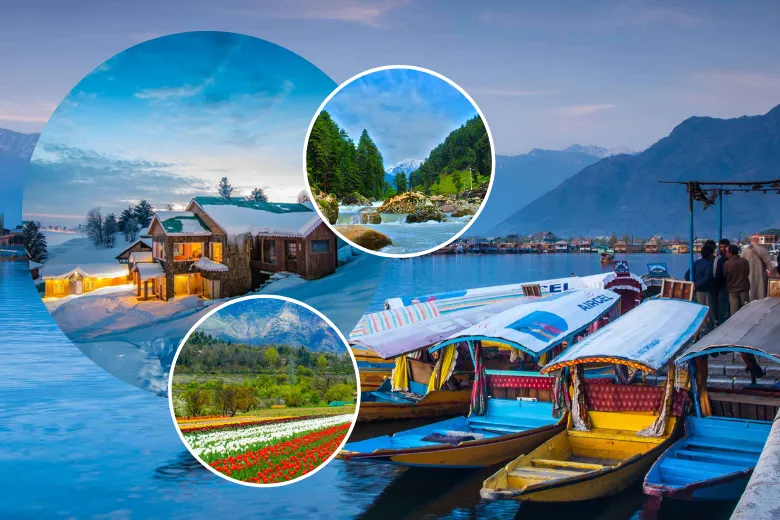
Before dusk, board a traditional wooden Shikara at Ghat 1 or Ghat 7 for a ninety-minute sunset ride. Navigating past the floating vegetable markets and wooden bridges reveals the rhythm of local aquatic life. If you wish to streamline logistical transfers across Dal Lake, the old town, and the Mughal heritage corridor, organizing a dedicated kashmire sightseeing tour ensures reliable transit without navigating crowded taxi stands on arrival. Conclude your evening savoring traditional Kashmiri Wazwan dishes such as Rogan Josh, slow-cooked Rista, and aromatic saffron Kahwa.
Day 2: The Alpine Meadows of Gulmarg
Depart Srinagar early via the Narbal-Tangmarg highway, a 50-kilometer drive taking approximately two hours. As your vehicle climbs through the dense pine and fir forests beyond Tangmarg, snow chains may be required on tires depending on seasonal snowfall. Gulmarg, resting at an altitude of 2,650 meters, functions as Asia’s premier winter sports center and a verdant summer basin surrounded by the Pir Panjal Range.
The primary highlight here is the Gulmarg Gondola, operating in two sequential tiers and standing among the highest cable cars in the world:
- Phase 1 (Kongdoori Station): Ascends to 3,050 meters, offering access to beginner ski slopes, snowmobiling zones, and alpine walking paths.
- Phase 2 (Apharwat Peak): Transports visitors further to 3,950 meters, where the tree line ends and expansive alpine views of Mount Nanga Parbat and neighboring peaks dominate the horizon.
Tickets for the Gondola should be reserved weeks in advance through the official Jammu & Kashmir Cable Car Corporation portal to prevent scheduling disruptions. Afterward, visit the historic St. Mary’s Church, an early 20th-century stone sanctuary set in the center of the meadow, followed by the nearby Maharaja Palace. Return to Srinagar by late evening to avoid peak traffic along the highway bottleneck near Magam.
Day 3: River Valleys and Pine Forests in Pahalgam
On your final day, take an early departure toward Pahalgam, the "Valley of Shepherds," located roughly 90 kilometers southeast of Srinagar along the banks of the Lidder River. The drive winds through Pampore’s historic saffron plateaus and the apple orchards of Anantnag, typically taking between two and a half to three hours.
Pahalgam serves as a gateway to several pristine sub-valleys that require local union-registered vehicles or pony rides to visit:
- Betaab Valley: Named after the iconic Bollywood movie filmed here, this scenic expanse features crystal-clear streams cutting through wide pastures bordered by steep deodar forests.
- Aru Valley: Situated 12 kilometers upstream, this quiet hamlet serves as the primary base camp for treks toward the Kolahoi Glacier and Tarsar-Marsar alpine lakes.
- Chandanwari: Situated 16 kilometers from main Pahalgam, this valley represents the starting point of the revered annual Amarnath Yatra pilgrimage and showcases raw mountain landscapes with seasonal snow bridges.
Before departing Pahalgam, take time to visit the bustling local market to purchase authentic handicrafts, including hand-carved walnut wood boxes, hand-spun Pashmina shawls, and locally harvested dried walnuts and almonds. For travelers seeking structured transportation, lodging bookings, and localized assistance across these high-demand valleys, selecting verified Kashmir budget tour & family packages eliminates booking friction while maintaining budget predictability.
Essential Practical Tips for Valley Travel
Smooth travel across Kashmir relies heavily on proactive planning around regional protocols. Prepaid mobile connections registered outside Jammu and Kashmir do not function here; ensure you acquire a local postpaid SIM card or an e-SIM upon arrival. Always keep physical copies of government-issued identification cards handy for verification at regional checkpoints. Layered clothing is advisable across all seasons, as mountain temperatures decline rapidly once the sun sets below the surrounding ridges.





















Sign in to leave a comment.