Keeping Crowds Moving: The Often-Overlooked Role of Event Security

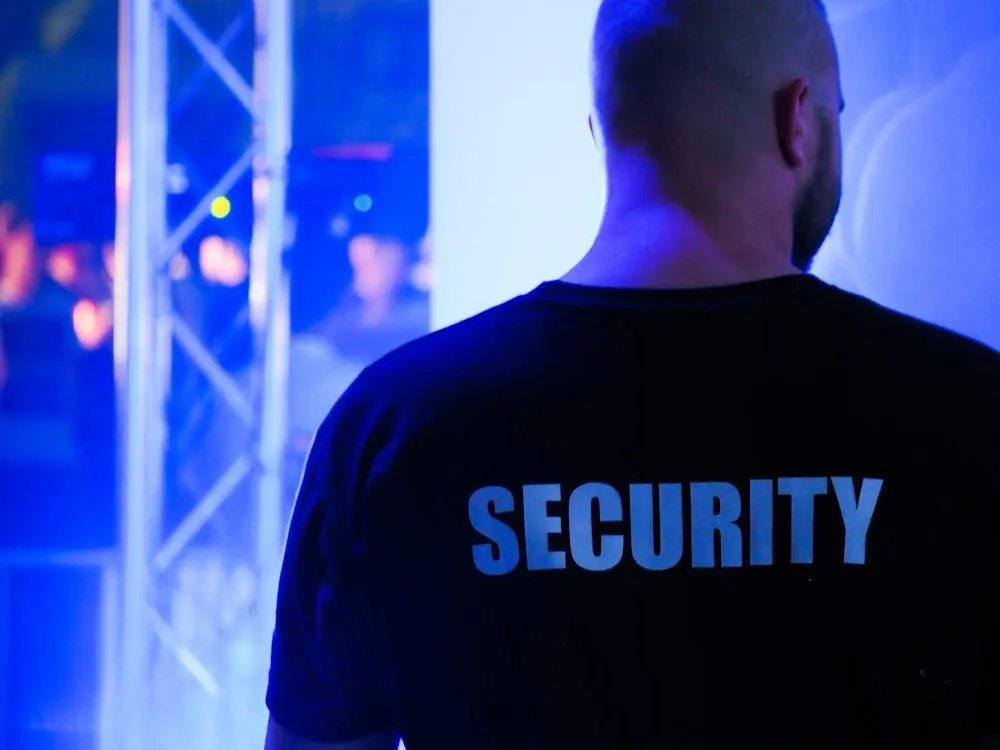
What happens when hundreds or thousands of people all want to move through the same space at almost the same time? A queue can quickly become a bottleneck, an open entrance can become congested, and a small disagreement can affect the movement of an entire crowd.
The importance of professional security at public events is reflected in the fact that 7 in 10 UK adults surveyed agreed that security professionals are necessary to maintain order and improve public safety.
Adler Security understands that event safety is not simply about responding when something goes wrong. Good crowd management involves watching movement, controlling access, recognising developing concerns and keeping communication clear.
This article looks at how security can contribute to smoother movement before, during and after an event.
Crowd Movement Starts Before the Event Begins
Crowd control does not begin when visitors walk through the entrance. It starts with considering how people are likely to arrive, where they will wait, and what could cause them to gather in one place.
Event organisers should consider:
- Main entrances and secondary access points
- Queuing areas and ticket checks
- Car parks and pedestrian routes
- Stairs, corridors and narrow walkways
- Food, drink and merchandise areas
- Popular attractions or viewing points
- Emergency exits and evacuation routes
When these areas are considered together, it becomes easier to identify places where people could bunch together or change direction suddenly.
For example, if a ticket checkpoint is positioned too close to an entrance, visitors waiting to be checked could block people who are still arriving. Likewise, placing a popular attraction beside a narrow walkway could create an unnecessary obstruction.
Access Points Need More Than a Physical Barrier
Entrances and exits are among the busiest parts of an event. They also have to perform several functions at once.
Visitors may need to show tickets, undergo searches, ask questions, find friends, or simply work out where they need to go. Each additional task can slow movement.
Security personnel can help organisers maintain a clear distinction between:
- People entering
- People waiting
- People leaving
- Staff and authorised personnel
- People who need assistance
This becomes particularly important when an event experiences a sudden increase in arrivals. Clear directions, organised queues and visible personnel can help prevent pressure from building around entry points.
The same principle applies at closing time. A successful event can still finish poorly if thousands of visitors attempt to leave through limited routes at once.
Spotting Problems Before They Grow
One of the most valuable aspects of crowd management is observation.
A developing problem may not initially look serious. It could be a group gathering around an argument, a queue extending into a pedestrian route, or visitors repeatedly entering an area that should remain clear.
Early signs can include:
- People becoming visibly frustrated
- Sudden changes in crowd direction
- Unusual congestion
- Repeated attempts to enter restricted areas
- Arguments or aggressive behaviour
- People stopping in areas intended for movement
- Signs of distress or confusion
HSE guidance recommends monitoring entrances, exits, queues, potential bottlenecks, and areas where crowd pressure could develop. Staff positioned within a crowd can also observe conditions directly and identify signs of tension or distress.
This means security is not simply about reacting to incidents. Observation can provide organisers with information that helps them act while a problem is still manageable.
Keeping People Moving Without Creating Confusion
Crowd movement is easier when people know where they are supposed to go.
Simple measures can make a significant difference, including:
- Clear signs
- Visible barriers
- Well-positioned stewards
- Separate entry and exit routes
- Clearly marked restricted areas
- Accessible routes for people who need additional assistance
- Regular communication with visitors
The aim is not to rush people through a venue. It is to create an orderly flow that reduces unnecessary stopping, crossing and congestion.
Barriers can also help influence movement and reduce crowd pressure when they are correctly positioned and assessed for the specific event.
For events requiring manned guarding in Sheffield, this principle can be particularly relevant where entrances, public areas and controlled zones need continuous observation.
A Safer Event Depends on What Happens Between the Incidents
What makes an event feel controlled when nothing is going wrong?
Often, it is the quiet work happening in the background. People are directed towards the right entrance. Queues remain orderly. Restricted areas stay clear. Emerging issues are noticed early. Organisers receive timely information, and visitors can move without unnecessary obstruction.
That is why crowd movement deserves the same attention as more obvious security concerns. Effective planning, observation and communication can help prevent minor problems from becoming disruptive incidents.
For organisers looking for security guard services in Sheffield, Adler Security provides professional support built around the practical demands of event environments. Its approach combines trained personnel, clear communication and attentive monitoring to help organisers maintain control while keeping visitor safety at the forefront.
Organisers can contact Adler Security to discuss event requirements and establish a security arrangement suited to the venue, crowd size and operational needs.








Sign in to leave a comment.