
Ask any compliance team what keeps them busy and regulatory change will be near the top of the list. New rules, amendments, guidance notes, consultation papers and enforcement actions arrive every week, often from several regulators in several countries.
The challenge is not just the volume. It is working out which updates actually matter to your business, what needs to change, and who is going to do it.
The volume problem in regulatory change
A large financial firm can track hundreds of sources of regulatory change. Even a mid-sized company in a regulated industry may receive dozens of updates a month. Reading every one in full is not realistic, and skimming them risks missing something important.
Many teams rely on email alerts and newsletters. These help with awareness, but they create a new problem: an inbox full of updates with no clear record of what was reviewed, what was decided and what action followed.
Filtering what actually applies
The first step is to filter. For each update, ask a few simple questions:
- Does this apply to our industry, products or locations?
- Is it a final rule, or still a draft or consultation?
- When does it take effect?
Which parts of the business does it touch?
Many updates will be “not applicable” or “for awareness only”. That is fine, as long as the decision is recorded. If a regulator later asks how you handled a change, you can show your reasoning.
Mapping changes to policies and controls
For regulatory change updates that do apply, the next step is to work out what needs to change internally. This is where many programmes struggle.
It helps a lot if you already know which policies and controls relate to which regulations. With that map in place, a new rule leads straight to the documents and processes that need review. Without it, every change turns into a manual search through shared folders.
Assigning owners and deadlines
Every relevant regulatory change needs an owner and a deadline. The owner is usually in the business, not in compliance. Compliance can guide and check, but the people who run the process are the ones who must change it.
A simple tracker with the update, the impact, the owner, the action and the due date goes a long way. Review it regularly with senior management so delays are visible early.
Using technology to keep pace
As the number of regulations and business units grows, spreadsheets and email start to fall apart. Updates get lost, decisions are not recorded and nobody has a full view of where things stand.
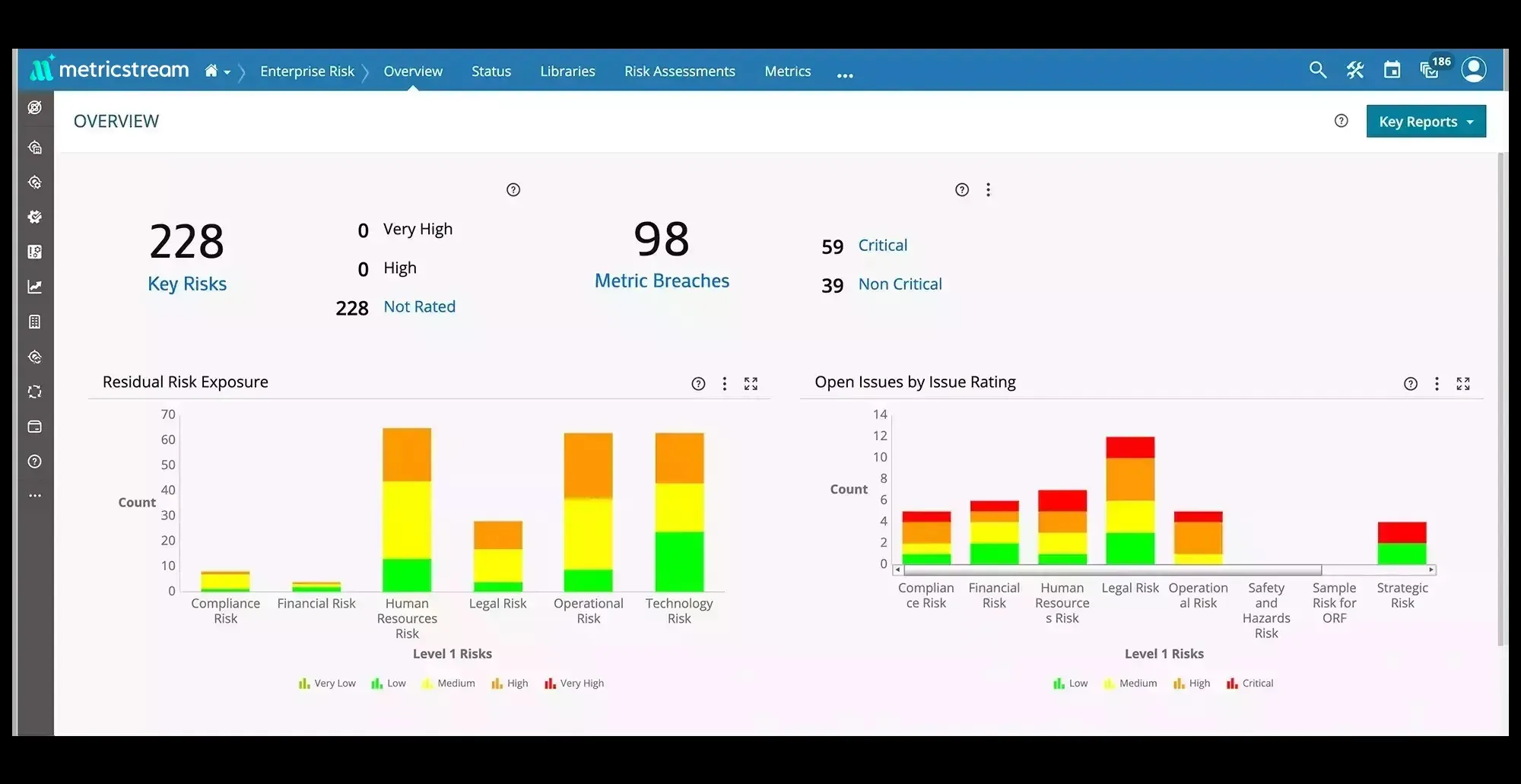
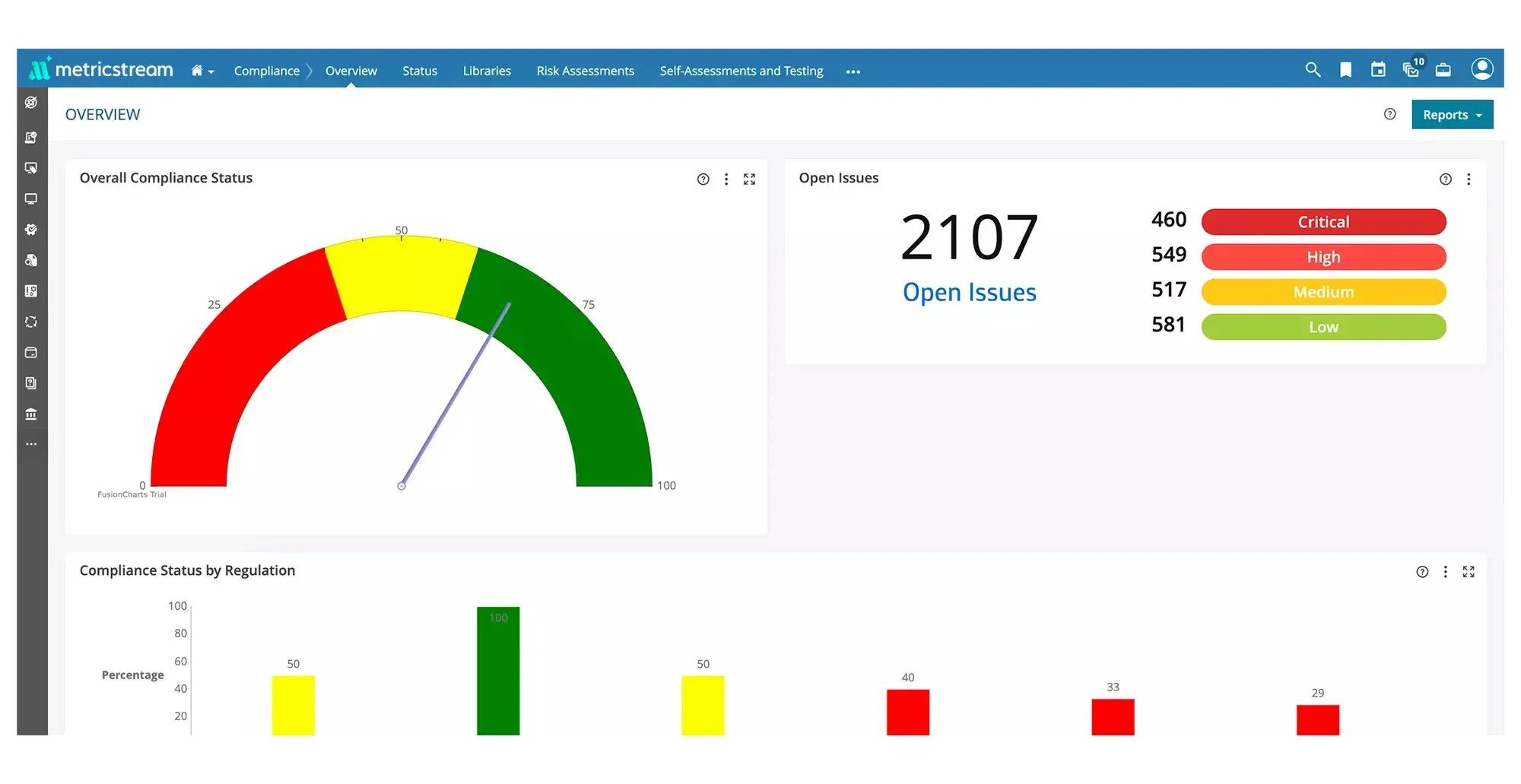
That is why many organizations use regulatory change management software to capture updates, assess their impact, link them to policies and controls, and track actions to completion. MetricStream offers one such platform. The real benefit is not the alerts themselves but the audit trail: a clear record of what changed, what you decided and what you did about it.
A simple weekly routine
Many teams find a short, fixed routine works better than reacting to every alert. For example:
- Monday: collect the past week’s updates from your main sources
- Tuesday: quick triage, marking each one as relevant, not relevant or for awareness
- Wednesday: send relevant items to business owners with a clear question
- Friday: update the tracker with decisions and actions
The routine keeps the work steady and stops updates from piling up.
Common questions about regulatory change
Who should decide if a new rule applies to us?
Compliance usually makes the first call, with input from legal and the business owner. The key is that someone named makes the decision and it is written down.
What if a rule is still only a draft?
Record it and watch it. If it is likely to have a big impact, start planning early, but avoid making large changes until the final version is published.
How do we show regulators we keep up?
Keep a clear log of updates received, decisions made, actions taken and dates completed. That record is often more convincing than any policy statement.
Final thoughts
You cannot read everything, and you do not need to. A good regulatory change process filters quickly, records decisions, links changes to the right policies and controls, and gives every action a clear owner. Do that consistently and regulatory change becomes manageable instead of overwhelming.




















Sign in to leave a comment.