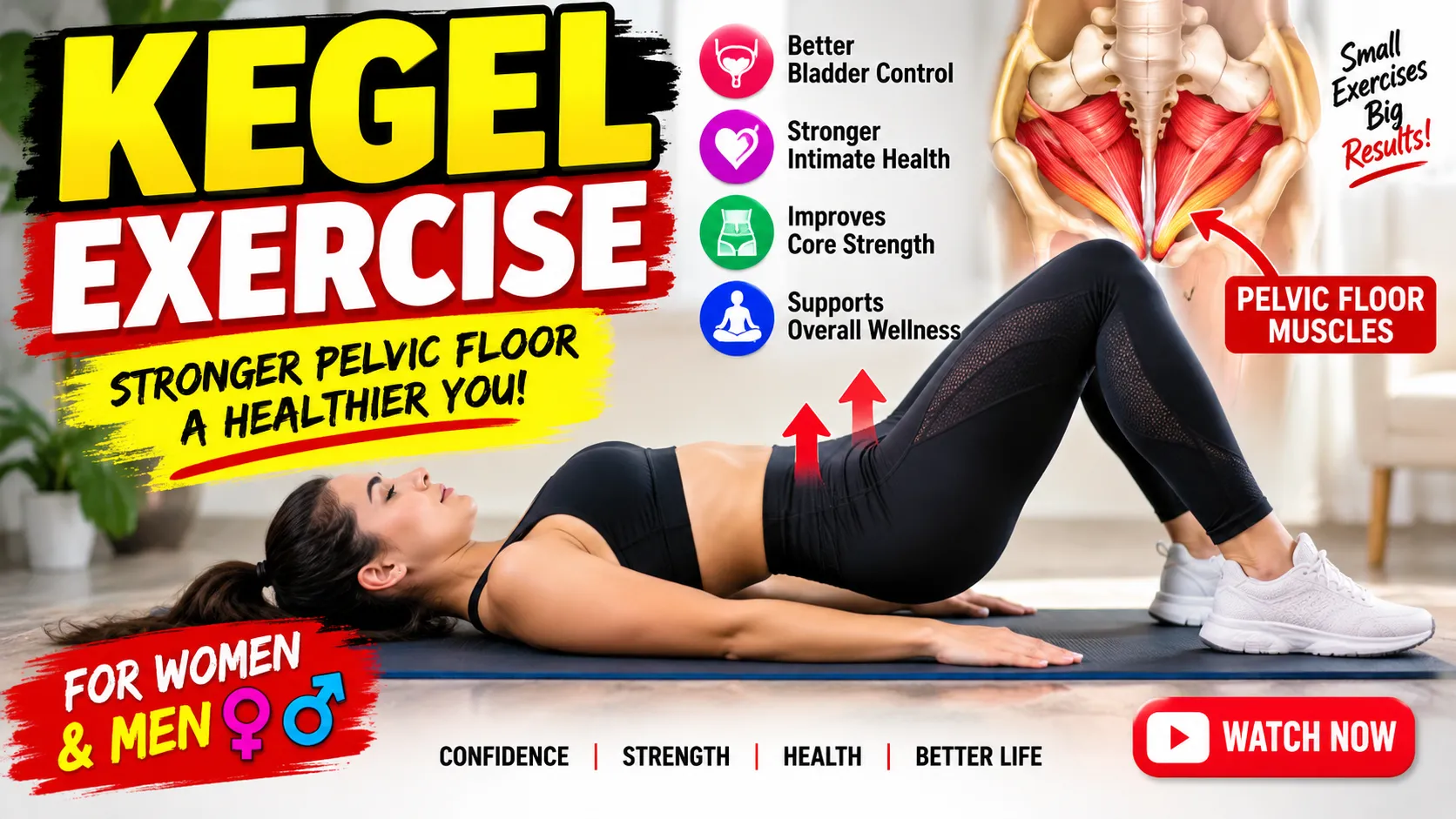

Kegel exercises, also called pelvic floor exercises, are simple exercises that help strengthen the muscles supporting the bladder, bowel, and reproductive organs. They can be useful for women during pregnancy, after childbirth, and at different stages of life.
The good news is that Kegels do not require special equipment. You can usually practice them at home, at work, or while sitting or lying down.
This guide explains what Kegel exercises are, how to find the right muscles, how to perform them correctly, common mistakes, and important tips for practicing them safely.
What Are Kegel Exercises?
Kegel exercises involve repeatedly tightening and relaxing the pelvic floor muscles.
These muscles form a supportive layer at the bottom of the pelvis. They help control urine and bowel movements and provide support to pelvic organs.
For women, the pelvic floor also supports the uterus and vaginal area. During pregnancy, these muscles can experience additional pressure as the baby grows.
Regular pelvic floor exercises may help maintain muscle strength and improve awareness and control of these muscles.
What Are the Benefits of Kegel Exercises?
There are several reasons women may include Kegel exercises in their fitness routine.
1. Strengthen the Pelvic Floor
The main purpose of Kegels is to strengthen the pelvic floor muscles.
Strong pelvic floor muscles can help provide better support for the bladder, bowel, and reproductive organs.
They may also help you become more aware of these muscles and improve your ability to contract and relax them.
2. May Help With Urinary Leakage
Some women experience urinary incontinence, which means urine leaks accidentally.
This can happen when laughing, coughing, sneezing, exercising, or lifting something heavy.
Regular Kegel exercises may help improve pelvic floor muscle control and can be part of a treatment plan for certain types of urinary leakage.
However, persistent or severe leakage should be discussed with a healthcare professional.
3. Helpful During Pregnancy
Pregnancy puts additional pressure on the pelvic floor.
As the baby grows, the pelvic muscles have to support more weight. Practicing pelvic floor exercises may help maintain strength and muscle control during this period.
Some women also practice Kegels as part of their preparation for labor and delivery.
If you are pregnant and starting a new exercise routine, speak with your doctor or maternity care provider first.
4. Useful After Childbirth
After giving birth, the pelvic floor may need time to recover.
Postpartum Kegel exercises may help women gradually rebuild pelvic floor strength and improve bladder control.
The right time to restart exercises can depend on the type of delivery, recovery, symptoms, and individual health.
Always follow your healthcare provider's advice after childbirth.
How to Find Your Pelvic Floor Muscles
Before starting Kegel exercises, you need to identify the correct muscles.
One way is to imagine that you are trying to prevent yourself from passing gas. The muscles you naturally tighten are part of the pelvic floor.
Another method is to briefly identify the muscles involved in stopping urine flow.
However, do not routinely practice Kegels while urinating. Regularly interrupting urine flow can interfere with normal bladder emptying.
Once you know where your pelvic floor muscles are, practice the exercise when your bladder is empty.
How to Do Kegel Exercises Correctly
Follow these simple steps:
- Empty your bladder before exercising.
- Sit, stand, or lie down in a comfortable position.
- Relax your stomach, thighs, and buttocks.
- Gently tighten your pelvic floor muscles.
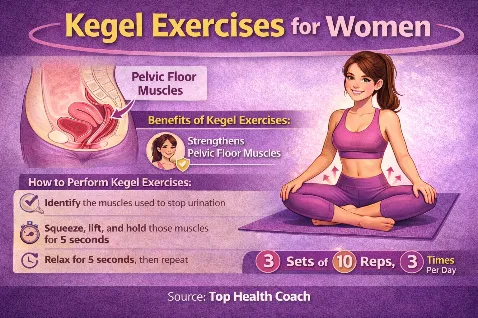
- Hold the contraction for about 5 seconds when comfortable.
- Slowly relax the muscles for about 5 seconds.
- Repeat the movement several times.
- Gradually work toward longer contractions as your muscles become stronger.
Remember that quality is more important than doing a large number of repetitions.
You should be able to breathe normally throughout the exercise.
What Mistakes Should You Avoid?
Many people accidentally use other muscles when performing Kegel exercises.
Avoid these common mistakes:
- Do not squeeze your buttocks.
- Do not strongly tighten your stomach muscles.
- Do not hold your breath.
- Do not move your legs to perform the exercise.
- Do not repeatedly stop your urine stream as a workout.
- Do not forcefully contract the pelvic floor.
- Do not exercise to the point of pain or excessive muscle tension.
The goal is to isolate and control the pelvic floor muscles.
If you cannot tell whether you are doing the exercise correctly, a healthcare professional or pelvic floor specialist can help.
How Often Should You Do Kegel Exercises?
Consistency is important.
You can begin with a small number of comfortable repetitions and gradually increase them as your muscles become accustomed to the exercise.
Some people prefer doing Kegel exercises as part of their morning or evening routine. Others connect them with an existing daily habit.
Because the exercises are discreet, they can usually be performed while sitting, standing, or lying down.
However, more exercise is not always better. Excessive tightening can cause muscle fatigue or unwanted tension.
Kegel Exercises During Pregnancy
For many women, Kegel exercises during pregnancy can be a useful part of pelvic floor care.
The growing baby places additional pressure on the pelvic area. Maintaining pelvic floor awareness and strength may support bladder control and pelvic function.
However, every pregnancy is different.
If you have pregnancy complications or have been advised to limit physical activity, ask your healthcare provider before starting or changing your exercise routine.
During pregnancy, focus on gentle contractions and complete relaxation between repetitions.
Are Kegel Balls or Weights Safe During Pregnancy?
You may see products such as Kegel balls or pelvic floor weights marketed for strengthening.
These products are not necessary for basic Kegel training.
During pregnancy or breastfeeding, it is especially important to ask a healthcare professional before using any device that is inserted into the vagina.
For most beginners, learning proper muscle contraction and relaxation without equipment is a simple starting point.
When Can You Expect Results?
There is no single timeline for everyone.
Some people may notice improved muscle awareness within a few weeks, while strengthening the pelvic floor can take longer.
Your starting muscle strength, exercise technique, consistency, age, childbirth history, and other factors can affect progress.
The key is to practice regularly without overworking the muscles.
If you experience pain, worsening urinary symptoms, difficulty relaxing the pelvic floor, or no improvement despite consistent practice, speak with a healthcare professional.
Who Is This Blog For?
This blog is designed for:
- Women interested in Kegel exercises.
- Beginners learning about pelvic floor exercises.
- Women preparing for or experiencing pregnancy.
- Women interested in postpartum pelvic floor care.
- People who want to understand basic pelvic floor muscle training.
- Anyone looking for general information about urinary leakage and pelvic floor strength.
This information is educational and should not replace personalized medical advice.
Frequently Asked Questions
Are Kegel exercises only for pregnant women?
No. Kegel exercises can be useful for women at different stages of life. Pregnancy is one situation where pelvic floor training may receive additional attention.
How long should I hold a Kegel?
Beginners can start with a comfortable contraction of around 5 seconds, followed by relaxation. As control improves, the duration can gradually increase.
Can I do Kegels while sitting?
Yes. Pelvic floor exercises can generally be performed while sitting, standing, or lying down.
Should Kegels hurt?
No. Kegels should not cause pain. If you experience pain or significant pelvic discomfort, stop and speak with a healthcare professional.
Can Kegels help with urine leakage?
They may help with certain types of urinary incontinence by improving pelvic floor muscle strength and control. Persistent leakage should be evaluated by a healthcare professional.
Can I do Kegels immediately after giving birth?
The appropriate time to restart postpartum Kegel exercises depends on your recovery and individual circumstances. Ask your healthcare provider for personalized guidance.
Final Thoughts
Kegel exercises are simple, discreet exercises that focus on the pelvic floor muscles. When performed correctly and consistently, they may support pelvic floor strength and bladder control.
For women, they can be particularly relevant during pregnancy and after childbirth. The most important part is using the correct muscles without holding your breath or tightening your stomach, thighs, or buttocks.
Start gently, focus on proper technique, and allow the muscles to relax between contractions. If you are pregnant, recently gave birth, or have urinary or pelvic symptoms, discuss your exercise routine with your healthcare provider.
Medical Disclaimer: This article is for general educational purposes only. It does not provide individualized medical advice, diagnosis, or treatment. If you have pain, urinary problems, pregnancy concerns, or postpartum complications, consult a qualified healthcare professional.





























Sign in to leave a comment.