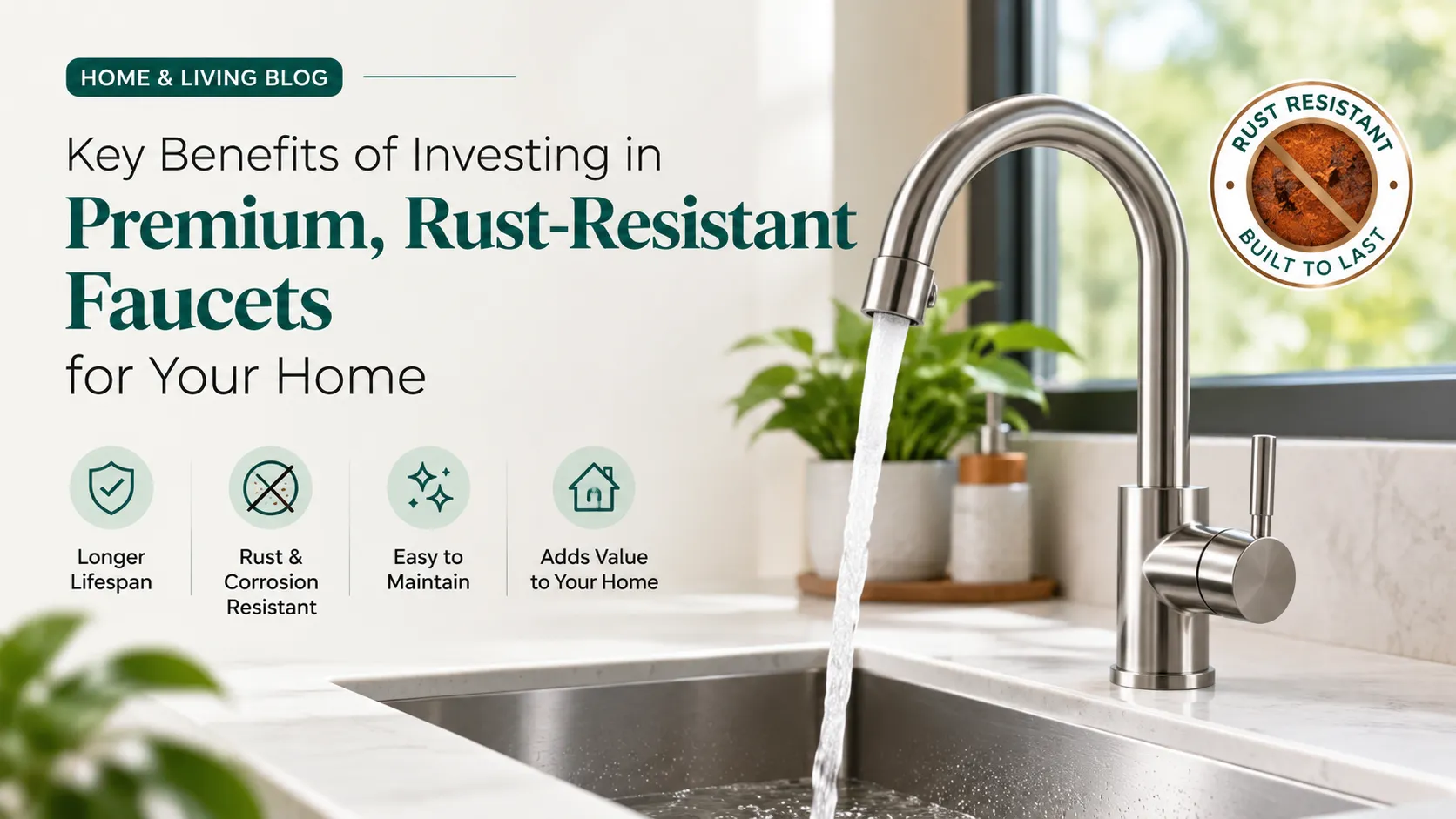

Faucets are among the most frequently operated mechanical fixtures in any household. Between handwashing, meal preparation, dishwashing, and morning grooming routines, an average household sink fixture cycles on and off dozens of times daily. Because these fixtures face continuous contact with moisture, fluctuating water temperatures, and dissolved minerals, entry-level fixtures often fail prematurely through corrosion, surface pitting, and internal leaks.
Upgrading to high-caliber, corrosion-proof fixtures resolves these performance headaches while noticeably upgrading your interior design. Whether you are replacing a worn basin fixture or planning a full remodel, understanding the engineering behind quality hardware ensures your investment lasts for decades.
Quick Answer
Investing in premium, rust-resistant faucets protects your home from structural water damage, mineral corrosion, and frequent replacements. High-grade fixtures crafted from solid brass or surgical-grade stainless steel feature durable ceramic disc cartridges that eliminate drips, preserve water purity, and maintain flawless aesthetic finishes for decades, delivering superior long-term value for kitchens and bathrooms alike.
What Makes a Faucet Truly "Rust-Resistant"?
True rust resistance begins at the core metallurgical structure of the fixture, long before surface coatings are applied.
Standard builder-grade fixtures are commonly cast from zinc alloys (often called "pot metal") or plastic composites with thin metallic skins. When pinhole fractures develop in the plating, water interacts with the zinc core, triggering galvanic corrosion, internal oxidation, and catastrophic leaks.
In contrast, a genuine rust-resistant fixture utilizes non-ferrous metals:
- Solid Brass Construction: Brass is an alloy primarily composed of copper and zinc. Because it contains virtually zero iron, it cannot form iron oxide (rust). It naturally withstands hard water, resists high hydrostatic pressure, and does not degrade under prolonged thermal cycling.
- 304/316-Grade Stainless Steel: Faucets crafted from surgical- or marine-grade stainless steel contain substantial chromium and nickel content. These elements create a microscopic, self-healing passive oxide layer on the metal's surface that prevents oxidation and water staining.
- Physical Vapor Deposition (PVD) Coatings: Modern premium finishes—ranging from matte black to brushed champagne—often undergo PVD processing. In this vacuum-deposition technique, vaporized zirconium or titanium bonds at an atomic level with the brass substrate. The resulting finish is twice as hard as chrome, virtually scratch-proof, and impervious to chemical tarnishing.
Key Benefits of Upgrading to Premium Rust-Resistant Fixtures
1. Exceptional Lifespan and Structural Durability
A standard zinc-alloy fixture generally displays surface bubbling, peeling, or internal stiffness within three to five years. In contrast, heavy-gauge solid metal faucets frequently operate smoothly for fifteen to twenty-five years. By resisting oxidation inside the waterway and on external spouts, these units maintain structural integrity under high municipal water pressure.
2. Elimination of Costly Hidden Leaks
A dripping faucet wastes thousands of gallons of water annually, but internal leaks are far more dangerous. Cheap plastic compression valves degrade over time, weeping water down the supply lines behind drywall and underneath vanity subfloors. Premium fixtures utilize diamond-hard ceramic disc cartridges. These precision-engineered discs seal water shut without rubber washers that rot, ensuring leak-free performance.
3. Preserved Aesthetic Integrity and Value
Moisture, steam, and hard water minerals rapidly dull cheap plating. Premium finishes resist calcification, water spots, and green oxidation. When you outfit your bathroom sink with a well-crafted bathroom faucet, the surface retains its original luster and smooth handle movement, protecting your renovation investment.
4. Healthier Water Delivery
Corroded internal waterways can harbor microbial biofilm and leach oxidized metals directly into your drinking and washing water. High-end fixtures comply with strict lead-free plumbing standards (such as NSF/ANSI 61 and 372 certifications), utilizing food-grade interior pathways and dezincification-resistant (DZR) brass alloys that guarantee uncontaminated water delivery.
Elevating Distinct Spaces: Kitchens vs. Bathrooms
Upgrading your fixtures also allows you to introduce distinctive character and focal points throughout your home.
Kitchens: High Demand Meets Bold Expression
Kitchen sinks handle heavy pots, harsh dish soaps, and constant food debris. Installing a durable, colorful kitchen faucet brings an intentional architectural pop to kitchen islands while providing commercial-grade pull-down functionality. Advanced finishes prevent colorful coatings from chipping or fading under daily culinary demands.
Bathrooms: Timeless Warmth and Character
In bathrooms, humidity levels fluctuate dramatically every time the shower runs. Installing an antique brass bathroom faucet introduces artisanal warmth, rich patinas, and vintage sophistication. Because the brass core resists steam-induced corrosion, the warm tone remains stunning over years of daily exposure.
Detailed Material & Finish Performance Breakdown
To make the best decision for your home, evaluate how common faucet materials perform when subjected to continuous moisture, mineral deposits, and daily friction:
Solid Brass with Advanced PVD Finishes
- Composition: Refined alloy of copper and zinc engineered with virtually no iron content.
- Corrosion Resistance: Outstanding. It cannot rust and demonstrates virtually zero susceptibility to internal galvanic corrosion or mineral degradation.
- Expected Lifespan: 15 to 25+ years of dependable daily performance.
- Ideal Application: Master bathroom retreats, high-traffic family kitchens, and upscale remodeling projects where durability is the priority.
Antique Brass (Living and Sealed Variants)
- Composition: Heavy-cast dezincification-resistant brass treated with physical aging techniques.
- Corrosion Resistance: High. It repels moisture rust naturally and forms a stable, aesthetic patina that protects underlying metal.
- Expected Lifespan: 20+ years when maintained with mild, non-abrasive cleansers.
- Ideal Application: Traditional vanities, heritage renovations, rustic farmhouse kitchens, and transitional interior spaces.
304/316 Surgical Stainless Steel
- Composition: Solid steel formulated with 18% chromium and 8% nickel.
- Corrosion Resistance: Excellent. The inherent chromium oxide barrier prevents pitting, oxidation, and surface discoloration.
- Expected Lifespan: 15 to 20 years without structural degradation.
- Ideal Application: Modern architectural homes, commercial prep sinks, wet bars, and laundry rooms.
Standard Zinc Alloys (Pot Metal)
- Composition: Inexpensive cast zinc mixed with scrap metals and thin electroplated chrome.
- Corrosion Resistance: Very poor. Moisture inevitably breaches microscopic pores in the chrome plating, causing rapid zinc oxidation and white calcified pitting.
- Expected Lifespan: Typically fails within 2 to 5 years, often requiring complete unit replacement.
- Ideal Application: Temporary short-term fixes or quick cosmetic staging where long-term durability is unnecessary.
How to Choose the Right Rust-Resistant Faucet
Before purchasing, check these technical indicators to ensure you are buying genuine quality:
- Evaluate Physical Weight: Premium solid brass and stainless steel fixtures feel remarkably heavy in your hands. If a faucet feels lightweight or hollow, it likely contains pot metal or composite plastic internals.
- Verify Cartridge Specifications: Confirm the manufacturer specifies ceramic disc valves rather than rubber or neoprene compression stems. Ceramic cartridges resist mineral grit and handle millions of rotation cycles without dripping.
- Inspect Spout Reach and Flow Rate: Measure the distance from the mounting hole to the center of your sink drain. Select a faucet with an integrated, Neoperl-style aerator to prevent splashing while maintaining efficient water consumption (between 1.2 to 1.8 GPM).
Frequently Asked Questions
Can a brass faucet ever rust?
No. True rust is iron oxide, which forms only on iron and steel. Because brass contains copper and zinc rather than iron, it cannot rust. Without proper protective coatings, unsealed brass can develop a green tarnish (verdigris) when exposed to air and acids, but high-quality sealed or PVD brass fixtures resist this tarnishing completely.
How do ceramic disc cartridges prevent leaks?
Ceramic disc cartridges feature two polished discs made from fired alumina ceramic. When you adjust the handle, one disc slides over the other. The surfaces are ground so microscopically flat that they form a water-tight seal without needing rubber washers that dry out, deform, or crack.
Will a colorful kitchen faucet peel or chip over time?
High-quality colored fixtures that use electro-deposition or PVD treatments will not peel or flake like conventional spray paints. To maintain the finish, avoid using abrasive scrubbing pads or bleach-based chemical cleaners.
What is the difference between solid brass and brass-plated metal?
Solid brass is forged entirely from brass alloy throughout the body of the faucet. Brass-plated fixtures use inexpensive zinc or plastic cores dipped in a microscopic layer of brass; once this thin layer scratches, the base metal quickly corrodes.
How should I clean an antique brass bathroom fixture?
Clean your antique brass fixture with warm water, mild dish soap, and a soft microfiber towel. Never use abrasive cleaners, scouring pads, vinegar, or harsh ammonia-based glass cleaners, as these can strip protective wax barriers and dull the finish.
Is the higher upfront cost of premium faucets worth it?
Yes. Although builder-grade fixtures cost less initially, they often need replacement every few years and present higher leak risks. Investing in a solid brass or stainless steel faucet eliminates recurring plumber service calls and protects your vanity cabinetry from moisture damage.
Conclusion
Choosing a faucet is not merely a styling decision—it is a critical investment in your home’s plumbing infrastructure. By prioritizing solid brass builds, advanced PVD finishes, and ceramic disc engineering, you avoid the frustration of peeling chrome, stiff handles, and hidden leaks. Explore the curated collections at Index Bath to discover durable, beautifully crafted kitchen and bath fixtures designed to provide reliable daily luxury.






















Sign in to leave a comment.