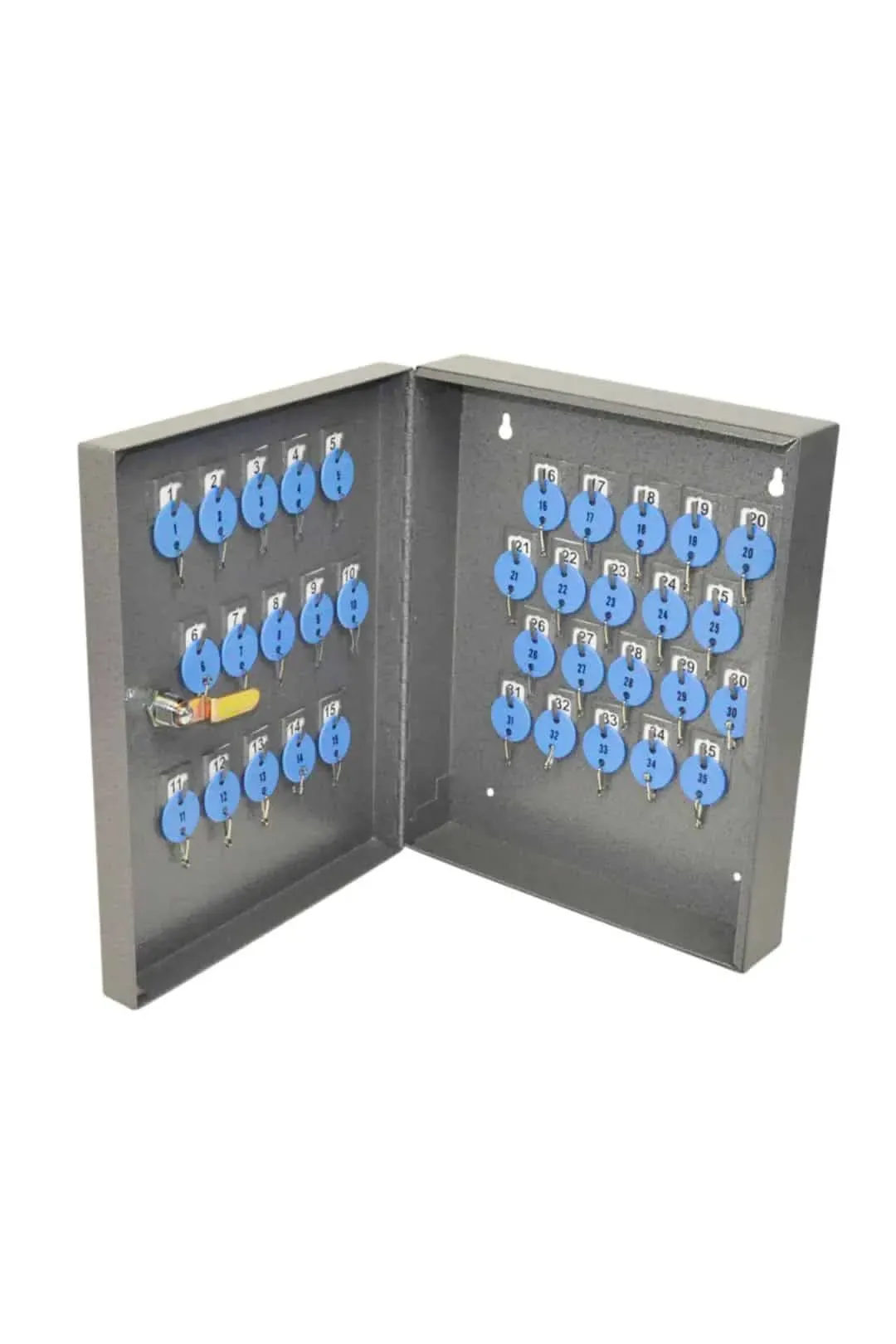

Businesses across the country are dealing with the same everyday challenge, too many keys and not enough structure to manage them properly. A missing set of keys, an unclear handover process, or simply too much time spent searching for the right one can quietly cost a business far more than most owners realise. This is exactly the gap that Key Cabinets Australia suppliers help fill, offering secure, organised storage solutions built for businesses of every size and industry.
In this article, we will walk through why proper key storage matters, who tends to benefit most from investing in a dedicated system, and what to actually look for when choosing between the many options available.
Why Key Management Deserves More Attention Than It Gets
Most businesses do not set out to have a messy key system. It usually happens gradually, a new employee is given a key without a proper record, a spare gets cut and never labelled, or a drawer becomes the unofficial home for anything without an obvious place to go. Over time, this small, informal approach turns into a genuine operational risk.
The consequences are not always dramatic, but they add up. Staff waste time searching for the right key. Security becomes harder to guarantee when nobody is entirely sure who has access to what. And when something does go wrong, whether a key goes missing or an area is accessed without authorisation, there is often no clear record to explain what happened. A structured system removes this uncertainty almost entirely, replacing guesswork with a clear, dependable process.
Who Actually Needs a Proper Key Cabinet
It is tempting to assume that only large facilities need formal key storage, but the reality is far broader. Property managers overseeing multiple units rely on organised systems to avoid confusion between similar looking keys across different buildings. Automotive dealerships depend on secure storage to track dozens or even hundreds of vehicle keys at once, often needing to know exactly which staff member accessed a specific set. Hospitals, schools, and government offices use key cabinets to manage access across countless rooms, many of which require strict control for safety or compliance reasons.
Even smaller operations benefit significantly. A single office with a handful of storage rooms, a boutique retail store with several access points, or a small logistics business managing a few company vehicles can all avoid unnecessary confusion simply by introducing a dedicated, secure place for every key to live.
The Real Benefits of Investing in Key Cabinets
Choosing to formalise key storage brings a range of benefits that extend well beyond simple tidiness.
- It centralises every key in one secure location, removing the guesswork of searching multiple areas.
- It significantly reduces the risk of keys being lost, misplaced, or taken without proper authorisation.
- It improves accountability, especially with electronic systems that record who accessed a key and when.
- It saves genuine time across a working day, particularly in busier environments where keys are used frequently.
- It supports compliance requirements in industries where secure access control is expected or mandated.
- It presents a more professional image to clients, auditors, or inspectors reviewing operational practices.
These benefits apply regardless of business size, since the underlying problem, disorganised access to important keys, exists whether you are managing ten keys or a thousand.
Understanding the Different Types Available
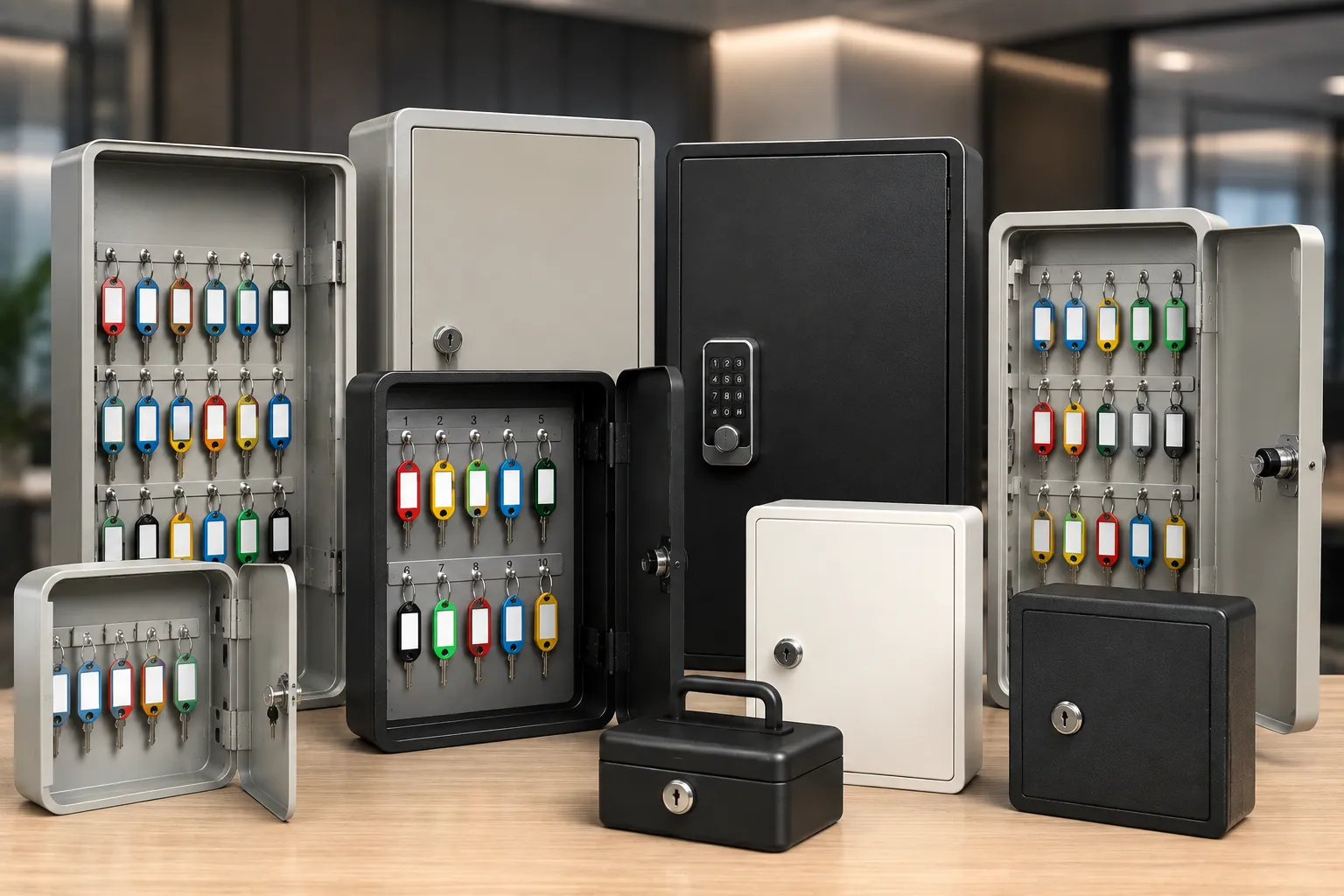
Not every business needs the same level of complexity, which is part of why the range of options matters so much. Simple mechanical cabinets remain a solid, cost effective choice for smaller operations or lower risk environments, offering a secure, lockable space without requiring any additional software or setup. These work well for single site businesses or situations where only a small number of trusted staff need access.
Electronic systems, by comparison, are designed for businesses that need more detailed oversight. These often include PIN access, keypad entry, or card based systems that log exactly who accessed a particular key and at what time. This level of tracking becomes especially valuable in larger organisations, multi site businesses, or any environment where accountability needs to be demonstrable rather than assumed. Capacity is another major factor. Smaller cabinets might hold a few dozen keys, which suits most small to medium businesses, while larger commercial systems can manage several hundred keys across multiple departments or locations. Choosing a cabinet with a bit of extra capacity beyond current needs is often a smart move, since it avoids the cost and disruption of upgrading again too soon as a business grows.
For businesses ready to compare these options properly, browsing a full range of Key Cabinets Australia solutions makes it far easier to weigh up size, security level, and features against your specific situation, rather than guessing which system might fit.
Setting Up a System That Actually Gets Used
Purchasing the right cabinet is only part of the equation. The real value comes from how consistently it gets used once installed. Every key should have a clearly labelled position, and staff should understand a simple, agreed process for checking keys in and out, particularly in environments where multiple people share access throughout the day.
Training matters here just as much as the equipment itself. A cabinet full of unlabelled keys, or one where staff regularly skip the check in process, provides little more benefit than the disorganised system it replaced. Taking the time to properly label, document, and explain the system when it is first introduced makes an enormous difference in how well it holds up over time. It is also worth reviewing the setup periodically, particularly as a business changes. New staff, new properties, new vehicles, or retired equipment all affect what the cabinet needs to reflect. A quick audit every few months, comparing the physical cabinet against any digital or written records, helps catch small inconsistencies before they grow into larger problems.
Common Mistakes Businesses Make With Key Storage
Even after introducing a proper cabinet, some businesses fall into habits that quietly undermine the system. One common mistake is skipping the labelling step, assuming staff will simply remember which key belongs where. This works for a week or two, then breaks down once new employees join or existing staff forget the informal arrangement. Another frequent issue is allowing spare keys to be cut without updating the cabinet, leaving untracked duplicates floating around outside the system.
Overcrowding is worth watching for as well. Choosing a cabinet that is only just large enough for current needs often means it becomes cluttered within a year or two as the business grows. Leaving some spare capacity from the start tends to save a lot of hassle later on. Treating the setup as a one time task rather than an ongoing process is another common oversight, since even a well designed system slowly drifts out of sync without periodic reviews.
Frequently Asked Questions (FAQ)
Q1: What types of key cabinets are available in Australia?
Options range from simple mechanical wall cabinets to advanced electronic systems with PIN or keypad access.
Q2: How many keys can a typical key cabinet hold?
Smaller cabinets usually hold around ten to fifty keys, while larger commercial systems can manage several hundred.
Q3: Are electronic key cabinets worth the extra cost?
For businesses needing detailed accountability, yes, since they log exactly who accessed a key and when.
Q4: Which industries benefit most from key cabinets?
Property management, automotive, healthcare, education, and logistics businesses see the greatest overall benefit.
Q5: Can key cabinets be integrated with existing security systems?
Many electronic models can connect with building access control software for a more complete security setup.
Final Thoughts
Proper key management is one of those operational details that is easy to overlook until it becomes an actual problem. Investing in the right Key Cabinets Australia solution brings structure, security, and accountability to something many businesses handle informally for far too long. Whether managing a small office or overseeing keys across multiple sites, choosing the right cabinet is a simple, practical step that pays off through saved time, reduced risk, and a genuinely more organised way of working.






















Sign in to leave a comment.