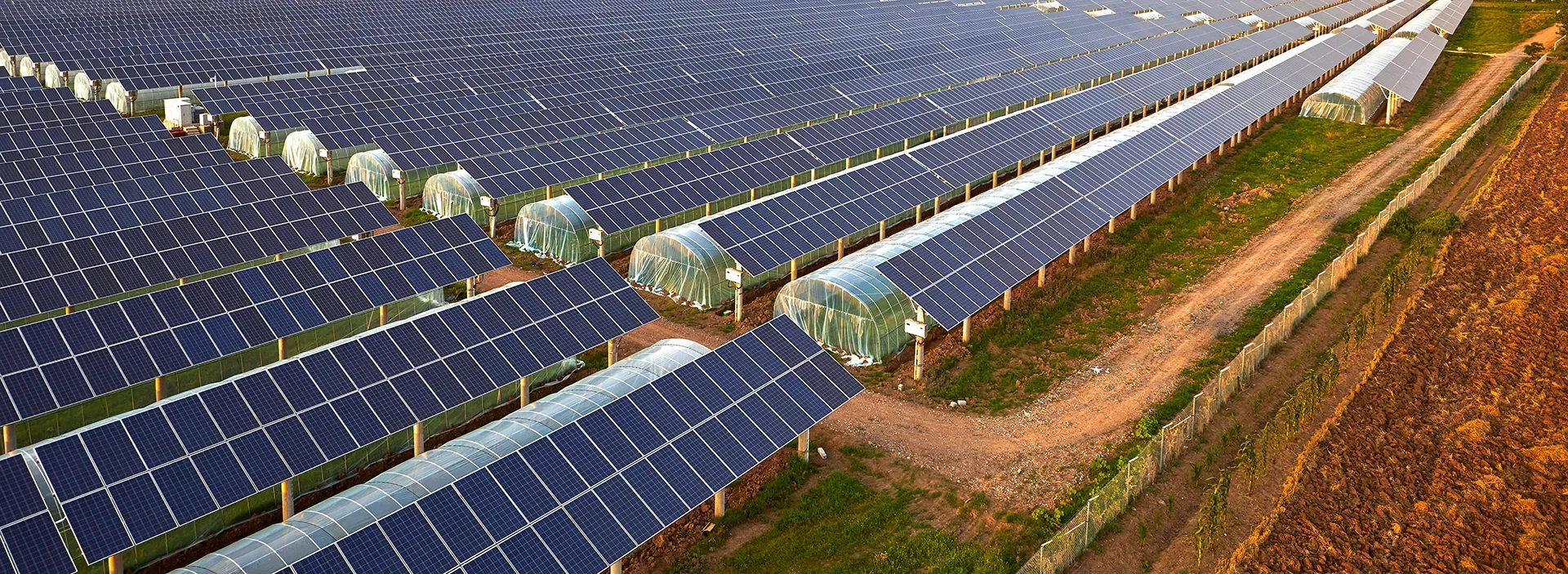

Agricultural properties have distinctive energy requirements that can make solar planning different from a typical residential installation. Large buildings, open fields, irrigation equipment, refrigeration systems, ventilation, and other electrical loads may influence the size and design of a project. Understanding agricultural solar systems Pennsylvania property owners can consider begins with evaluating how energy is currently used and how those needs may change. A successful agricultural solar project should account for available land, building conditions, electrical infrastructure, sunlight exposure, farm operations, and long term energy objectives. Careful planning helps create a system that fits the property without unnecessarily disrupting daily agricultural activities.
Understanding Agricultural Energy Requirements
Agricultural operations can have electricity demands that vary considerably throughout the year. Seasonal activities may affect energy consumption, while equipment such as pumps, cooling systems, ventilation units, lighting, and processing machinery can create substantial electrical loads. Before developing a solar project, property owners should review historical electricity usage and identify periods of particularly high demand. This information helps establish a practical foundation for system planning. Understanding where electricity is being consumed also makes it easier to determine whether solar generation can meaningfully support the property's existing operations and accommodate anticipated changes in energy use.
Evaluate Current Electricity Consumption
A detailed review of electricity consumption can reveal useful patterns for agricultural solar planning. Property owners should consider monthly utility records and identify equipment that operates continuously or during specific seasons. Agricultural facilities may experience different energy requirements during planting, harvesting, storage, or livestock management periods. Understanding these patterns helps create a system design based on actual usage rather than assumptions. Future changes should also be considered, especially if additional equipment, buildings, refrigeration capacity, or processing activities are planned. A well informed assessment can provide a clearer picture of the project's appropriate size and potential energy contribution.
Consider Future Agricultural Growth
Agricultural businesses can evolve over time, and energy requirements may increase as operations expand. New barns, storage buildings, irrigation systems, processing equipment, or climate control systems can change electricity consumption considerably. Solar planning should therefore consider more than present day usage. Property owners can discuss anticipated changes during the design stage so the proposed system reflects realistic future needs. Planning ahead may provide greater flexibility and reduce the possibility of requiring major modifications later. A thoughtful approach considers current consumption while recognizing that agricultural operations often develop gradually as property needs and business activities change.
Assessing Available Installation Areas
Agricultural properties often provide several potential locations for solar equipment. Roofs on barns, workshops, storage buildings, and other structures may provide suitable surfaces, while open land can offer another option when building conditions or orientation are unsuitable. Each location presents different considerations involving sunlight, accessibility, structural conditions, electrical connections, drainage, and agricultural activity. A property assessment should compare these factors before selecting an installation area. The most suitable location depends on the property's characteristics and energy objectives. Careful evaluation helps avoid choosing a location that creates unnecessary operational challenges.
Reviewing Agricultural Building Roofs
Roof mounted solar can be practical when agricultural buildings have sufficient structural capacity and suitable sunlight exposure. Before installation, the condition and construction of the roof should be reviewed carefully. Older roofing materials, structural concerns, limited access, or future replacement plans may influence whether a roof is an appropriate location. The building's orientation and shading should also be evaluated. Property owners should understand whether structural improvements or other preparation will be necessary before installation. Addressing these considerations early can help prevent unexpected work and provide a more reliable foundation for the solar system design.
Evaluating Open Land
Open land may provide useful space for solar when suitable roof areas are unavailable or insufficient. However, land based installations require careful consideration of soil conditions, drainage, access, vegetation, terrain, and existing agricultural activities. The selected area should support solar equipment without creating unnecessary interference with farm operations. Property owners should also consider whether the land has another important agricultural purpose. A detailed site assessment can help determine whether an open area is appropriate for solar while preserving practical access and maintaining the property's broader agricultural function. Site selection should balance energy generation with responsible land use.
Considering Electrical Infrastructure
The existing electrical infrastructure is another important part of agricultural solar planning. Large agricultural facilities may have substantial electrical equipment and distribution systems that require careful evaluation. An installer should review the property's electrical service, equipment capacity, wiring arrangements, and connection requirements before finalizing a design. This assessment helps determine how solar generation can integrate with existing infrastructure. Electrical upgrades may sometimes be necessary depending on the system size and property conditions. Identifying those requirements early gives property owners a clearer understanding of the project scope and reduces the possibility of unexpected changes during installation.
Solar System Size and Energy Demand
System size should be connected to the property's energy requirements, available installation area, and overall project objectives. A larger system is not automatically appropriate if the property cannot effectively use the generated electricity or if site limitations make the installation impractical. Similarly, an undersized system may provide less energy support than expected. A careful design considers electricity consumption, sunlight availability, equipment characteristics, and available space together. Property owners should ask how the proposed capacity was determined and what assumptions were used. This information can make the relationship between system size and expected performance easier to understand.
Considering Agricultural Operations
Solar construction should be planned around the daily activities taking place on an agricultural property. Equipment movement, livestock management, vehicle access, crop production, deliveries, and seasonal work may all influence where installation activities can occur. A project schedule should account for operational demands whenever possible. Installation areas should remain accessible and should not unnecessarily interfere with important agricultural functions. Discussing these practical requirements before construction begins can help create a smoother process. Property owners can provide information about seasonal schedules and restricted areas so installation planning reflects the realities of the agricultural operation.
Protecting Access and Property Use
Access routes deserve particular attention on agricultural properties because equipment and vehicles may need to move regularly between buildings and fields. Solar equipment should be positioned with practical maintenance access in mind while avoiding unnecessary interference with established routes. Drainage patterns, fencing, livestock areas, and storage locations may also affect the installation plan. A careful layout can help preserve everyday property use while providing appropriate access to solar equipment. Considering these details during design is important because a system should support the property's energy objectives without creating avoidable obstacles for normal agricultural activities.
Reviewing Permitting and Local Requirements
Agricultural solar projects may involve several permitting and approval requirements depending on the property's location, system design, installation type, and connection arrangements. Property owners should understand which approvals are necessary before construction begins and who will handle the associated applications. Building, electrical, land use, and utility requirements can all influence project scheduling. Clear communication about these responsibilities can help prevent confusion. An experienced installer should explain the relevant process and identify information that the property owner may need to provide. Addressing regulatory considerations early can contribute to a more organized project from planning through completion.
Understanding Utility Connection Requirements
When a solar system connects with the property's electrical service, utility coordination can become an important part of the project. The connection process may require documentation, technical information, inspections, and approval before the system can operate as intended. Property owners should ask how these steps are handled and what timeline considerations may apply. Understanding the process can help set realistic expectations about project completion. Utility requirements may also influence system design, so they should be considered early rather than treated as a final administrative detail after construction planning has already been completed.
Evaluating Equipment and System Components
Agricultural solar systems contain multiple components that must work together reliably. Solar panels, inverters, mounting structures, electrical equipment, wiring, and monitoring technology all contribute to system operation. Property owners should understand why specific components have been selected and whether they are appropriate for the property's conditions. Agricultural environments can involve dust, moisture, temperature changes, and demanding operating schedules, making appropriate equipment selection especially relevant. A knowledgeable installer should explain equipment choices clearly and describe how different components contribute to system performance. This information helps property owners evaluate proposals based on more than system size alone.
Planning for Maintenance
Maintenance planning should be considered before installation rather than after the system is operating. Solar equipment needs appropriate access for inspections, cleaning when necessary, monitoring, and potential repairs. Agricultural properties may present additional environmental conditions that influence maintenance requirements. Property owners should ask what routine attention is recommended and how service issues are handled. A clear maintenance plan can help protect system performance over time. It also gives property owners a better understanding of ongoing responsibilities. Designing convenient access from the beginning can make future service work more practical and reduce disruption to agricultural activities.
Reviewing Project Costs and Financing
Project budgeting is an important consideration for agricultural solar planning. Property owners should understand the complete scope of the proposed work and review what is included in the project agreement. Equipment, installation labor, electrical work, structural preparation, permitting, monitoring, and potential site improvements may all affect the overall project requirements. Financing arrangements and available incentives may also influence planning, depending on current programs and eligibility. Property owners should evaluate these factors carefully and confirm current requirements before making financial decisions. A detailed proposal provides a clearer foundation for comparing project structures and understanding the financial commitments involved.
Selecting an Appropriate Solar Partner
Choosing an installer for an agricultural solar project requires careful attention to experience, communication, planning, and property specific design. Agricultural projects can involve larger spaces, varied electrical demands, multiple buildings, and operational considerations that require thoughtful coordination. Property owners should ask about previous agricultural installations and how site specific challenges were addressed. It is also useful to review warranties, service arrangements, project schedules, permitting responsibilities, and equipment information. Clear communication throughout the process can help establish realistic expectations. The goal is to select an installation approach that aligns with both energy requirements and the practical needs of the agricultural property.
Conclusion
Agricultural solar planning requires a detailed understanding of energy consumption, property layout, available installation areas, electrical infrastructure, agricultural operations, permitting, equipment, maintenance, and long term objectives. Each property presents different conditions, so a successful project should be designed around its specific characteristics rather than relying on a generic approach. Careful assessment and clear communication can help property owners identify practical opportunities while protecting everyday agricultural activities. For Pennsylvania property owners exploring solar solutions for farms and agricultural facilities, Trifecta Solar can provide a starting point for evaluating project requirements and developing a property focused approach to solar planning.























Sign in to leave a comment.