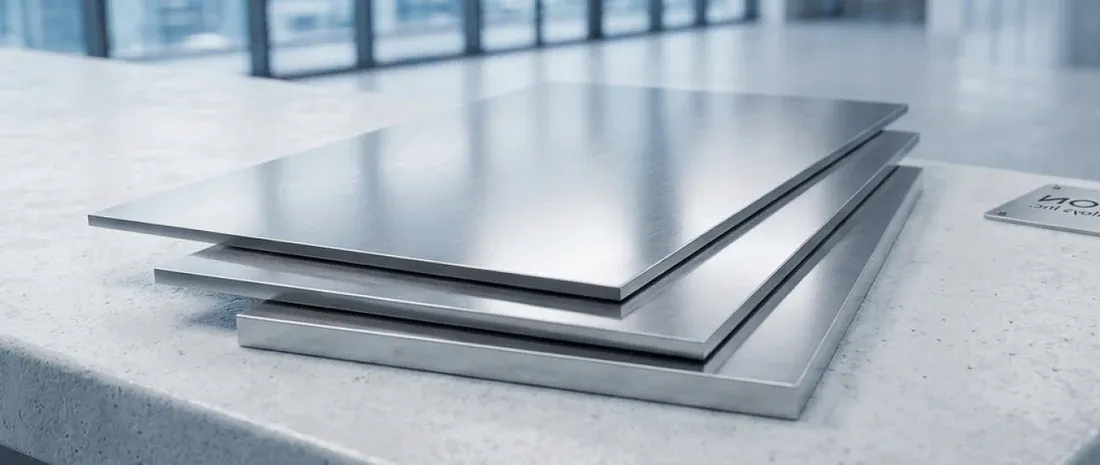

The mild steel sheet cost remains an important consideration for builders, fabricators, manufacturers, and contractors in 2026. Whether you are purchasing a single mild steel sheet plate for a fabrication project or ordering large quantities for industrial use, understanding the factors that influence pricing can help you make better purchasing decisions and control project expenses.
Mild steel continues to be one of the most widely used materials in construction and manufacturing due to its affordability, versatility, and ease of fabrication. However, prices can vary significantly depending on several key factors. This guide explores what affects the cost of mild steel sheets and plates and how buyers can maximize value when sourcing steel products from trusted suppliers like Ezy Steel.
What Is a Mild Steel Sheet Plate?
A mild steel sheet plate is a flat steel product made from low-carbon steel. Its balanced combination of strength, flexibility, and weldability makes it suitable for a wide range of applications, including:
- Construction projects
- Structural fabrication
- Machinery manufacturing
- Automotive components
- Agricultural equipment
- General engineering works
Because of its versatility, demand for mild steel sheets remains strong across many industries, directly impacting overall market pricing.
Why Mild Steel Sheet Cost Matters
The mild steel sheet cost can significantly influence project budgets, especially for large-scale construction and manufacturing operations. Understanding cost drivers allows buyers to:
- Estimate project expenses more accurately
- Compare supplier quotations effectively
- Select appropriate material specifications
- Avoid unnecessary overspending
- Improve procurement planning
By understanding current market trends and material requirements, businesses can make more informed purchasing decisions.
1. Raw Material Prices
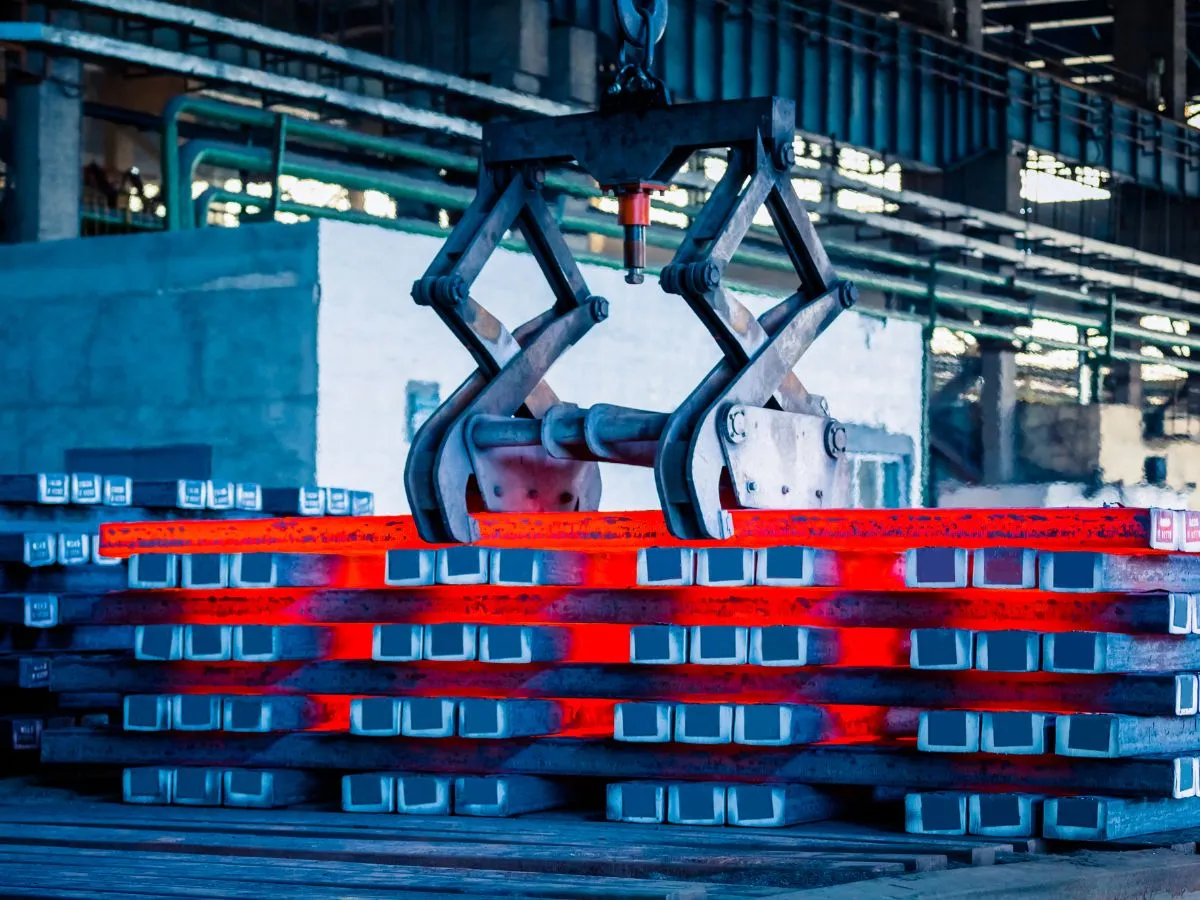
One of the biggest factors affecting mild steel sheet cost is the price of raw materials used in steel production.
Steel manufacturers rely on inputs such as:
- Iron ore
- Scrap steel
- Coal and coke
- Energy resources
When the cost of these materials rises, steel production becomes more expensive, and those increases are often reflected in the final price of mild steel sheets and plates.
Global supply chain disruptions, mining output changes, and economic conditions can all influence raw material costs throughout the year.
2. Sheet Thickness and Dimensions
The thickness and size of a mild steel sheet plate play a major role in determining its price.
Generally:
- Thicker sheets require more steel material.
- Larger plates contain more weight.
- Heavier products cost more to manufacture and transport.
For example, a 10mm plate will typically cost significantly more than a 3mm sheet of the same dimensions because it contains substantially more steel.
Buyers should carefully match material specifications to project requirements to avoid paying for unnecessary thickness.
3. Steel Grade and Quality
Not all mild steel products are identical.
Different grades offer varying levels of:
- Strength
- Durability
- Weld ability
- Surface finish
- Performance characteristics
Higher-quality steel products often undergo stricter manufacturing and testing processes, which can increase overall costs.
Selecting the correct grade for your application ensures both performance and cost efficiency.
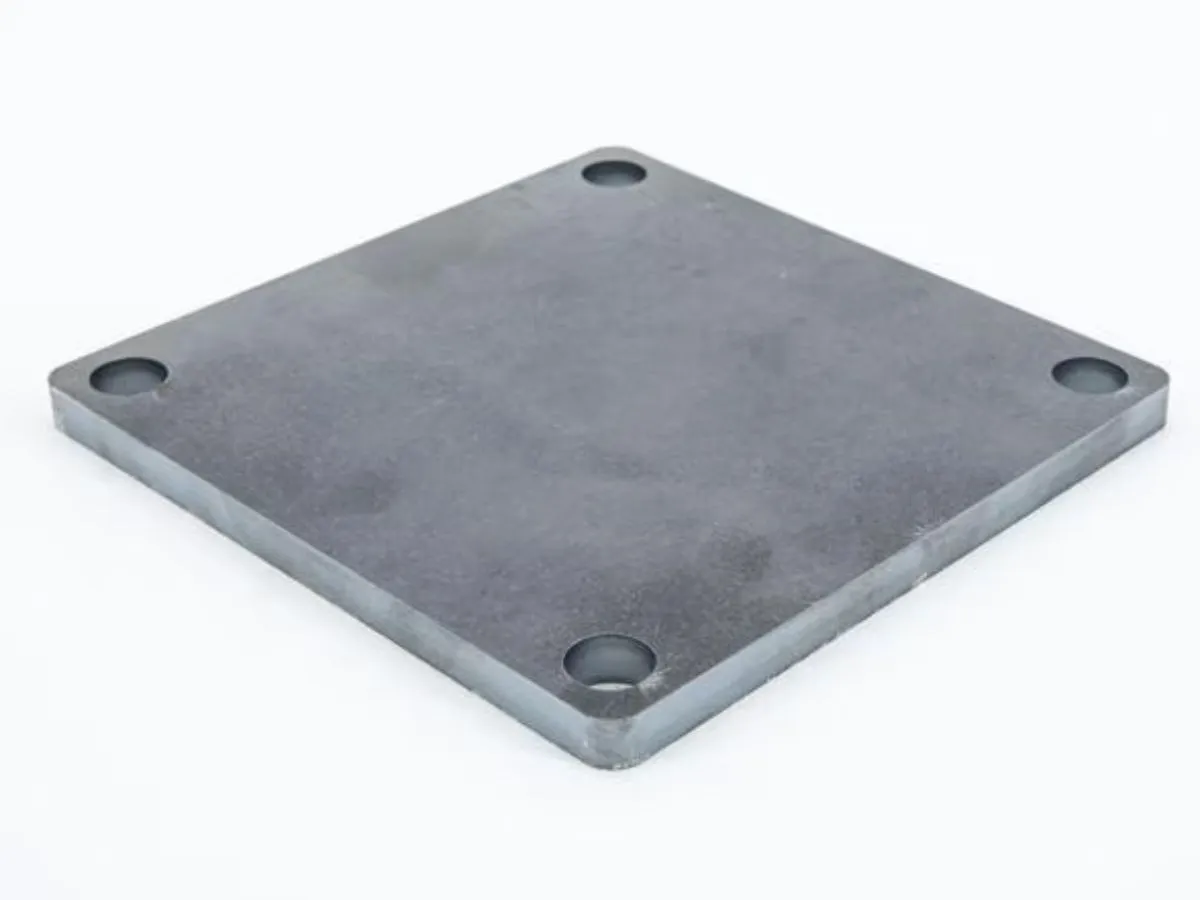
4. Manufacturing and Processing Requirements
Additional processing can increase the final mild steel sheet cost.
Common processing services include:
- Laser cutting
- Plasma cutting
- Drilling
- Folding
- Bending
- Surface treatment
While these services save time and labour during fabrication, they add value and therefore increase the final product price.
Many customers prefer pre-processed steel because it reduces onsite work and improves project efficiency.
5. Market Supply and Demand
Like most commodities, steel pricing is heavily influenced by supply and demand.
When demand increases due to:
- Infrastructure projects
- Commercial construction
- Manufacturing growth
- Government investment programs
Steel prices often rise.
Conversely, slower economic activity can reduce demand and place downward pressure on pricing.
Monitoring market trends can help buyers identify favourable purchasing periods.
6. Transportation and Logistics Costs
Shipping expenses are another important factor affecting mild steel sheet plate pricing.
Transportation costs may vary based on:
- Distance from supplier
- Fuel prices
- Freight availability
- Delivery requirements
- Product weight
Because steel is a heavy material, logistics costs can represent a significant portion of the final purchase price.
Working with reliable suppliers such as Ezy Steel can help streamline delivery and reduce unexpected transportation expenses.
7. Quantity Purchased
Order volume often influences pricing.
Large orders typically benefit from:
- Bulk purchase discounts
- Lower per-unit costs
- Reduced transportation expenses per tonne
Smaller orders may have higher processing and handling costs, resulting in a higher price per sheet.
Businesses with ongoing steel requirements often achieve better value through planned bulk purchasing strategies.
8. Protective Coatings and Finishes
Additional coatings can improve durability and corrosion resistance but also increase cost.
Popular options include:
- Galvanized coatings
- Protective paint systems
- Industrial primers
- Specialty finishes
These treatments extend product lifespan and improve performance in challenging environments, making them worthwhile investments for many applications.
9. Global Economic Conditions
International economic factors continue to impact steel pricing in 2026.
Important influences include:
- Inflation rates
- Currency fluctuations
- International trade policies
- Import and export regulations
- Global manufacturing demand
These external factors can affect both steel production costs and market availability, ultimately influencing the final mild steel sheet cost paid by customers.
Tips for Getting the Best Value
When purchasing mild steel products, consider these practical strategies:
Choose the Right Specifications
Avoid overspending by selecting the exact thickness and dimensions required for your project.
Compare Total Value
Don't focus solely on price. Consider product quality, delivery reliability, and supplier support.
Buy in Bulk When Possible
Larger orders can often reduce overall costs and improve supply consistency.
Work With Trusted Suppliers
Established suppliers provide quality assurance, accurate specifications, and dependable service.
Plan Ahead
Early procurement can help avoid market fluctuations and unexpected price increases.
Conclusion
The mild steel sheet cost in 2026 is influenced by numerous factors, including raw material prices, sheet thickness, steel grade, processing requirements, transportation costs, market demand, and global economic conditions. Understanding these variables enables buyers to make informed purchasing decisions while maximizing project value.
Whether you require a standard mild steel sheet plate for fabrication or large-scale industrial applications, partnering with a trusted supplier can make a significant difference in product quality, pricing transparency, and delivery efficiency.
For reliable steel solutions, quality products, and expert support, Ezy Steel continues to help customers source the right mild steel sheets and plates for a wide range of construction, manufacturing, and engineering projects.

























Sign in to leave a comment.