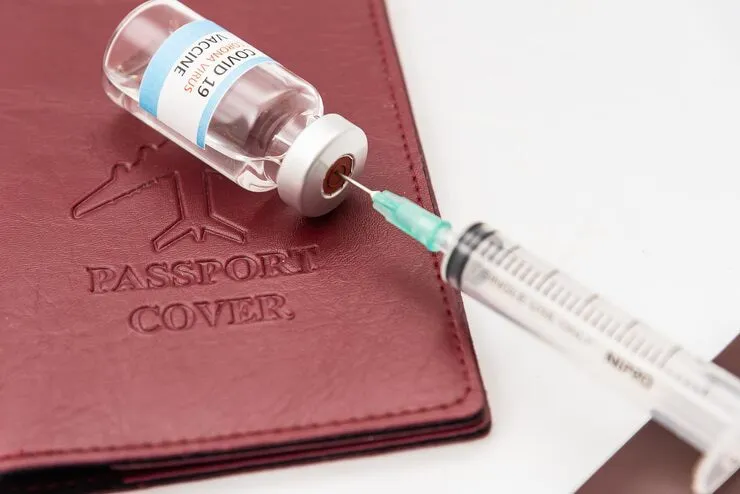

Kenya attracts visitors with diverse landscapes, wildlife experiences, coastal destinations, cultural attractions, and outdoor adventures. Because travel conditions can vary considerably between regions, health preparation should reflect the specific itinerary rather than relying on general assumptions. Vaccines for Kenya travel may form an important part of this preparation for some visitors, alongside routine immunisations, food and water precautions, insect bite prevention, and other health measures. A consultation with a qualified healthcare professional can help travellers review their vaccination history and understand which preventive options may be relevant before beginning their journey.
Reviewing Routine Immunisations
Routine vaccinations provide an important foundation for international travel because familiar infections can still circulate in different countries and communities. Travellers should review their existing vaccination records before considering additional destination specific protection. Depending on previous doses, some routine immunisations may require updating or a booster. A healthcare professional can examine available records and explain whether additional vaccination should be considered. Keeping documentation organised can also make appointments easier and help establish which protection is already available. Travellers should avoid assuming that childhood vaccinations automatically provide complete lifelong protection without reviewing their individual history.
Considering Hepatitis A Protection
Hepatitis A can spread through contaminated food and water, making it a common topic during travel health consultations. Exposure may occur in different environments, including areas where food preparation and sanitation practices differ from those familiar to the traveller. Vaccination may be recommended for some visitors depending on their itinerary, previous vaccination history, and individual circumstances. Food and water precautions remain important even when vaccination is appropriate. Travellers can reduce exposure by drinking reliable water, washing hands regularly, and choosing food that has been properly cooked and handled throughout their stay.
Understanding Typhoid Risks
Typhoid is another infection that may be considered when discussing health preparation for Kenya. The relevance of vaccination can depend on travel duration, destination, accommodation, activities, and likely exposure to food or water. Travellers staying for extended periods or visiting locations where sanitation may be less predictable can discuss vaccination with a healthcare professional. Vaccination does not protect against every foodborne illness, however, so careful hygiene remains essential. Eating thoroughly cooked food, drinking safe water, and washing hands regularly can provide additional protection and reduce the chance of preventable illness affecting travel plans.
Assessing Yellow Fever Requirements
Yellow fever deserves particular attention because vaccination may be relevant both for health protection and for international travel requirements in certain circumstances. Entry rules can depend on the traveller's previous travel history and the countries visited before arriving in Kenya. Travellers should check current official requirements rather than relying on information from previous trips. A qualified healthcare professional can discuss whether vaccination is appropriate and explain documentation requirements where relevant. Early preparation can be helpful because vaccination certificates may need to be carried during international travel and should be kept safely with other important travel documents.
Considering Rabies Protection
Rabies is a serious infection associated with infected mammals and can be transmitted through bites, scratches, or saliva contacting broken skin. Kenya offers wildlife experiences and rural activities that may increase opportunities for animal encounters, although unfamiliar animals should not be approached or handled. Travellers expecting significant animal exposure or extended stays in remote areas can discuss rabies vaccination with a healthcare professional. Pre exposure vaccination does not eliminate the need for medical care after an exposure. Anyone bitten or scratched should clean the wound promptly and seek professional medical assessment as soon as possible.
Understanding Mosquito Borne Diseases
Mosquitoes can transmit several infections, making bite prevention an important part of travel health preparation. Travellers visiting Kenya may encounter different mosquito related risks depending on location, season, accommodation, and activities. Using appropriate insect repellent, wearing clothing that covers exposed skin, and selecting accommodation with effective mosquito protection can reduce exposure. Travellers should remain consistent with these precautions, particularly during outdoor activities. Because not every mosquito borne infection can be prevented through vaccination, combining available vaccination advice with practical bite prevention can provide a broader approach to reducing potential health risks.
Discussing Malaria Prevention
Malaria is an important consideration for many travellers visiting Kenya, although the level of risk can vary by location and circumstances. Professional advice can take into account the exact itinerary, season, accommodation, duration, and planned activities. Depending on the assessment, preventive medication may be discussed for certain travellers. If medication is prescribed, it should be taken according to the healthcare professional's instructions and any required schedule. Mosquito avoidance remains necessary because medication does not prevent every possible exposure. Travellers should therefore combine recommended preventive measures rather than relying on a single method.
Checking Travel Entry Requirements
Health recommendations and legal entry requirements should be considered separately when preparing for Kenya. Certain vaccination certificates may be requested in specific circumstances, including travel involving countries where particular infections occur. Requirements can change over time, making current official information especially important. Travellers should check relevant government and public health guidance before departure and allow enough time to obtain required documentation. A healthcare professional can discuss medical recommendations, while official authorities provide the most appropriate information about current entry conditions. Keeping certificates secure and accessible can make border procedures easier when documentation is required.
Allowing Enough Time for Vaccination
Travel health planning should ideally begin several weeks before departure because some vaccination schedules require multiple doses or specific intervals. Early preparation allows time to review existing records, discuss individual health considerations, and complete recommended courses where appropriate. Travellers arranging their journey at short notice should still seek professional advice rather than assuming vaccination options are unavailable. A timely assessment can identify what can reasonably be completed before departure. Starting early also provides an opportunity to ask questions about possible side effects, vaccination timing, documentation, and additional precautions relevant to the planned Kenya itinerary.
Matching Advice to the Itinerary
Kenya contains major cities, coastal areas, national parks, rural communities, highland regions, and other environments with different travel conditions. A traveller staying mainly in urban accommodation may have different health considerations from someone planning a safari, camping trip, rural visit, or extended outdoor adventure. The itinerary should therefore be discussed in detail during a travel health consultation. Information about destinations, accommodation, activities, duration, and planned excursions can help a healthcare professional provide more relevant advice. A personalised assessment is more useful than applying identical recommendations to every visitor travelling to Kenya.
Maintaining Food and Water Safety
Vaccination forms only one part of responsible travel health preparation. Food and water safety can remain important because several infections are not prevented by available travel vaccines. Travellers can reduce potential exposure by choosing thoroughly cooked food, washing hands frequently, and drinking water from dependable sources. Care may also be appropriate with raw foods, unpasteurised products, ice from uncertain sources, and food that has been stored incorrectly. These practical habits can complement vaccination and help reduce gastrointestinal illness. Consistent hygiene is especially useful during longer trips when travellers encounter a wider variety of food and water environments.
Preventing Insect Bites
Insect protection should remain a regular part of travel preparation, especially during outdoor activities and visits to areas where mosquito exposure may be higher. Travellers can use suitable insect repellent according to the product instructions and wear clothing that limits exposed skin. Accommodation with screens, air conditioning, or other mosquito protection can provide additional barriers. Bed nets may also be useful in some circumstances. Outdoor activities should be planned with insect exposure in mind. Combining these measures with any recommended vaccination or medication can help reduce the likelihood of mosquito related illness during a Kenya trip.
Considering Personal Health Factors
Travel vaccination decisions should take individual circumstances into account. Age, previous immunisations, allergies, pregnancy, medications, immune system considerations, and existing health conditions may influence professional recommendations. Children may require a different review from adults, while older travellers may benefit from careful consideration of previous vaccinations and current medicines. People travelling together should not automatically assume that identical vaccination plans apply to everyone. A personalised consultation allows relevant factors to be discussed confidentially and helps determine which preventive measures may be appropriate for the individual traveller and their planned Kenya itinerary.
Preparing for Wildlife Encounters
Wildlife experiences are an important attraction for many Kenya visitors, but animals should be observed responsibly and from appropriate distances. Travellers should avoid feeding, touching, or approaching unfamiliar animals because bites and scratches can create serious health concerns. This includes animals encountered outside organised wildlife experiences, such as dogs, monkeys, or other mammals. Anyone who experiences a bite or scratch should clean the wound promptly and seek medical attention. Travellers expecting substantial animal exposure can discuss their plans with a healthcare professional before departure to understand whether additional vaccination or preventive measures may be appropriate.
Knowing When Medical Help Is Needed
Travellers should understand which symptoms may warrant professional medical attention during or after a Kenya trip. Persistent fever, severe diarrhoea, unusual rashes, significant weakness, breathing problems, or other concerning symptoms should be assessed rather than automatically attributed to travel fatigue. Recent travel information can be important when a healthcare professional evaluates unexplained illness. Travellers should mention their destinations, activities, insect exposure, food history, and animal contact. Prompt assessment can be particularly important after bites, scratches, or other potential exposures because certain infections may require timely treatment to reduce complications.
Keeping Vaccination Records Accessible
Organised vaccination records can help travellers and healthcare professionals understand previous protection. Physical certificates should be kept securely with important travel documents, while appropriate digital copies can provide additional backup. Records may be particularly valuable when a vaccination course involves multiple doses or when proof of vaccination is required for travel. Reviewing documentation before an appointment can also reveal missing information. If records are incomplete, professional guidance can help determine the available options. Accurate documentation supports smoother travel preparation and can make future consultations easier when planning additional international journeys.
Reviewing the Complete Journey
Kenya's geographic diversity means that health considerations can change significantly between destinations. Travellers visiting Nairobi, coastal areas, wildlife reserves, rural communities, or highland locations may encounter different environmental conditions and exposure opportunities. Duration also matters because longer journeys can create more opportunities for contact with insects, animals, food, water, and unfamiliar environments. Travellers should therefore share the complete route with a healthcare professional rather than mentioning only the main destination. A detailed itinerary can help ensure that vaccination discussions and preventive advice are relevant to the actual circumstances of the planned trip.
Combining Multiple Preventive Measures
No single health measure protects travellers against every potential infection or travel related concern. Vaccination can provide protection against particular diseases, while food and water hygiene, insect bite prevention, animal avoidance, and prompt medical care address other risks. Travellers should ask about vaccination schedules, possible side effects, documentation, and individual factors that may affect suitability. Understanding the role of each preventive measure can help travellers prepare responsibly without relying on assumptions. A combination of appropriate vaccination and everyday precautions can support better health awareness throughout a Kenya journey and during the period following return.
Conclusion
Preparing for Kenya travel involves reviewing health needs well before departure and considering the specific destinations and activities included in the itinerary. Routine immunisations, destination specific vaccination discussions, food and water safety, insect bite prevention, animal avoidance, and awareness of medical symptoms can all contribute to sensible preparation. Recommendations vary according to individual health circumstances, previous vaccination history, travel duration, and planned activities. Travellers can seek professional advice early to understand suitable options and timing. For support with travel health preparation and vaccination requirements, HealthPoint Pharmacy can provide a convenient place to discuss appropriate arrangements before travelling to Kenya.





























Sign in to leave a comment.