
Buying a diesel generator is a long-term equipment decision, so knowing the questions to ask before choosing a generator dealer can help you avoid costly mistakes later. The right dealer should do more than provide a quotation; they should help you select suitable equipment, explain technical specifications, support installation, provide service, and remain available when the generator requires maintenance or repair.
A generator may look attractive on paper because of its price, capacity, or brand name, but those factors alone do not reveal how well it will perform at your site. Before signing a purchase order, buyers should understand exactly what they are buying, how it will be installed, what support is available afterward, and which costs may arise during ownership.

Start by Explaining Your Application
A good dealer should ask questions about your actual power requirement before recommending a generator. If the conversation begins and ends with “What kVA do you need?”, that may not be enough. Explain whether the generator will serve as emergency backup, prime power, temporary project power, or another application. The dealer should understand the type of loads involved, expected operating hours, starting requirements, site conditions, and whether the generator will operate independently or alongside other power sources.
Motors, pumps, compressors, HVAC systems, lifts, manufacturing equipment, and sensitive electronics can have different electrical characteristics. A generator selected solely from the total running wattage may not always provide the desired performance during load starting. The dealer should therefore demonstrate how the proposed capacity has been determined.
Ask How the Generator Capacity Was Calculated
The recommended kVA rating should have a technical basis. Ask the dealer to explain the expected running load, starting load, power factor, anticipated load growth, and operating margin behind the recommendation.
An undersized generator may struggle under high demand, while a significantly oversized generator can create unnecessary capital and operating costs depending on how it is used. A professional dealer should be able to explain the sizing decision in straightforward terms and provide relevant technical information rather than simply recommending a larger machine “to be safe.”
Ask About the Engine and Alternator
The engine and alternator are the core of the generating set, so buyers should know their specifications before purchasing. Ask which engine and alternator are being proposed, what their rated output is, and whether the configuration is appropriate for your duty cycle. The engine's service requirements and parts availability should also be considered.
The alternator specifications matter as well, particularly when the generator will operate sensitive loads. Voltage regulation, frequency control, insulation class, and other technical characteristics can influence suitability. The objective is not to memorize every specification, but to understand why the proposed configuration is appropriate for your application.
Clarify Fuel Consumption
Fuel is likely to become one of the largest ongoing expenses for a generator that operates regularly. Ask the dealer for fuel-consumption information under realistic operating conditions rather than relying only on a single headline figure. Consumption can vary with load, operating conditions, engine design, maintenance condition, and other factors. A generator that appears inexpensive to purchase may become substantially more costly if its long-term fuel consumption is higher.
Ask how the quoted fuel figures were determined and whether the information is based on manufacturer data, test conditions, or another basis. For long-term applications, fuel performance should be part of the purchasing comparison rather than an afterthought.
Ask What Is Included in the Price
A generator quotation can include very different scopes depending on the dealer. One price may cover only the generator set, while another may include transportation, installation, commissioning, cables, batteries, exhaust arrangements, control equipment, or other accessories.
Ask the dealer to clearly explain what is included and what will be charged separately. This is particularly important for project budgeting. A low equipment price can lose its advantage if essential installation or commissioning costs are excluded and added later. Written clarification is better than verbal assurance because it gives both buyer and dealer a clear reference before the order is finalized.
Understand Installation Requirements
Even a high-quality generator can perform poorly if it is installed incorrectly. The dealer should be able to discuss the site requirements, including foundation, ventilation, exhaust routing, fuel arrangements, electrical connections, earthing, access, and equipment positioning.
Ask whether the dealer provides installation and commissioning or whether another contractor is expected to handle those activities. If third-party installation is involved, clarify who is responsible for ensuring that the installed system works correctly and who handles problems arising from the installation. A clear division of responsibility can prevent disputes later.
Ask About Warranty Coverage
Warranty is one of the most important aspects of a generator purchase, but buyers should look beyond the warranty duration. Ask what parts and labor are covered, what exclusions apply, how warranty claims are initiated, and whether specific maintenance requirements must be followed.
It is also useful to understand who actually performs warranty service. A strong warranty supported by an accessible service network is generally more useful than a long warranty that is difficult to claim. Keep the warranty documentation with the generator's service records so that future maintenance teams can easily reference it.
Find Out How Quickly Spare Parts Are Available
Generator downtime can become expensive, particularly in facilities that rely on backup power for critical operations. Ask the dealer how common replacement parts are supplied and whether critical components are normally stocked locally or regionally.
You can also ask how long uncommon parts may take to arrive and whether genuine manufacturer components or approved alternatives are used. Parts support becomes increasingly important as the generator ages. A supplier that can support the machine several years after installation provides greater long-term value than one focused only on the initial sale.
Ask About AMC and Service Support
Your relationship with the dealer should not end when the generator is delivered. Ask whether the dealer offers Annual Maintenance Contracts, preventive-maintenance services, breakdown support, emergency assistance, and periodic inspections. The proposed service frequency should be aligned with the generator manufacturer's requirements and expected operating conditions.
Ask how emergency service calls are handled, who the customer contacts after a breakdown, and whether technicians are available outside normal business hours when necessary. For critical installations, service response can be more important than a small difference in purchase price.
Check Technician Experience
A dealer's technical capability matters as much as its sales capability. Ask whether the technicians are trained or experienced with the specific engine, alternator, controller, and generator configuration being offered.
A knowledgeable service team can often diagnose problems more efficiently and reduce unnecessary parts replacement. It is also worth asking whether the dealer handles service directly or depends heavily on subcontractors. Either approach can work, but responsibility for technical support should remain clearly defined.
Ask About Controller and Monitoring Features
Modern generator sets may include digital controllers, automatic start functions, alarm systems, remote monitoring, and other features designed to improve operational visibility. Ask the dealer what monitoring and protection functions are included and how faults are diagnosed.
If remote monitoring is offered, clarify what information can be accessed, who receives alerts, and what happens after an alarm is generated. Technical features are useful only when the customer understands how they will actually be supported.
Discuss Noise, Exhaust and Installation Environment
Generator suitability also depends on where it will operate. An installation near offices, residential buildings, hospitals, recording spaces, or other noise-sensitive areas may require careful attention to acoustic arrangements.
The dealer should also discuss exhaust routing, ventilation, heat management, and site-specific installation conditions. The chosen arrangement should be appropriate for the actual environment rather than based solely on the generator's nameplate rating.
Ask About Emission-Control Requirements
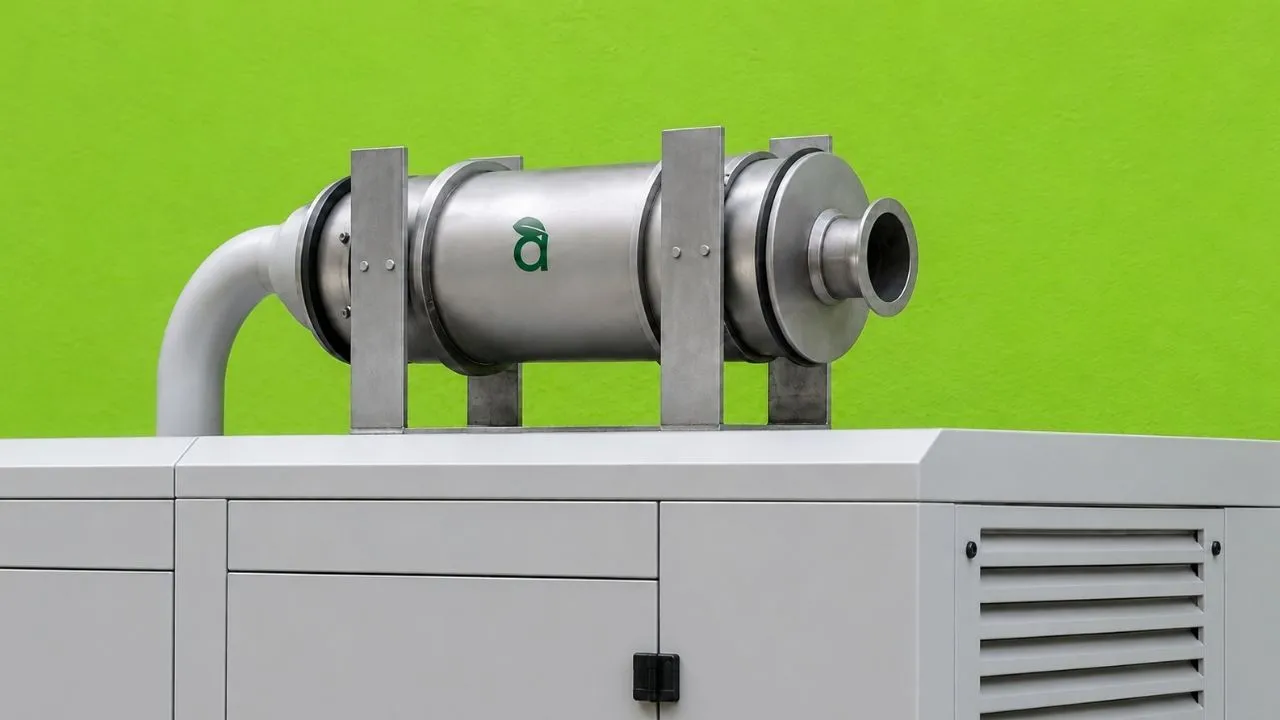
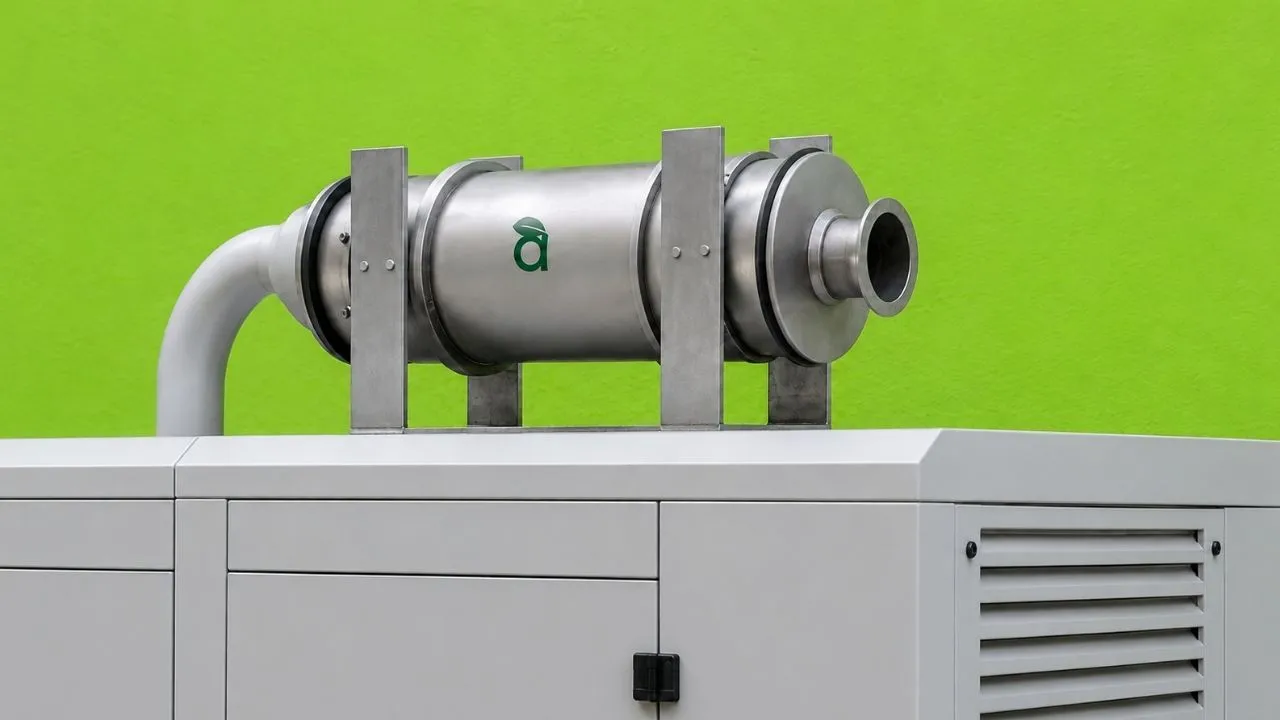
Environmental requirements should be discussed before purchase rather than after installation. Depending on the generator, location, application, and applicable rules, owners may need to consider exhaust-emission management. If an emissions-control solution is being proposed, ask the dealer to explain how the equipment is compatible with the generator and what documentation is available. Working with an experienced RECD manufacturer in India or an appropriate technical partner may be relevant where an RECD is applicable to the installation.
However, buyers should avoid assuming that any product described as “CPCB approved” automatically satisfies every requirement for every generator. Applicability and regulatory conditions can depend on generator specifications, location, use, and current directions. Before purchasing or installing emissions-control equipment, verify the latest requirements directly with CPCB and, where relevant, the State Pollution Control Board, CAQM, or another competent authority. Ask for applicable certification, testing information, technical documentation, installation requirements, and maintenance instructions specific to the proposed system.
Ask for Technical Documentation
A professional dealer should be able to provide appropriate documentation for the generator being supplied. Depending on the equipment, this can include technical datasheets, operating manuals, maintenance schedules, wiring information, test reports, warranty documents, and other relevant records.
Documentation becomes extremely valuable once the generator enters regular operation. Maintenance teams need accurate information when servicing the engine, troubleshooting controller alarms, ordering parts, or planning repairs. Before accepting delivery, confirm which documents will be supplied and in what format.
Ask About Future Load Expansion
Businesses often grow after buying a generator. Electrical demand may increase because of new machinery, expanded office space, additional HVAC equipment, or new production lines.
Ask the dealer whether the proposed generator can accommodate your foreseeable requirements or whether a future expansion would require a larger unit or additional synchronized generators. Planning for realistic future demand can help prevent the cost and disruption of replacing an unsuitable generator too soon.
Request References or Relevant Experience
When the generator will serve a critical application, supplier experience can provide useful reassurance. Ask whether the dealer has supplied similar generators to businesses with comparable operating requirements.
The most useful references are not necessarily the largest installations. A dealer that has successfully supported applications similar to yours may understand your practical requirements better. Ask about installation support, service response, parts availability, and long-term customer support rather than focusing solely on the equipment brand.
Read the Final Quotation Carefully
Before placing the order, review the final quotation line by line. Confirm the exact generator model, kVA rating, engine and alternator configuration, accessories, taxes, delivery, installation, commissioning, warranty, payment terms, and exclusions.
Any verbal promises made during negotiations should be reflected in the written commercial documents where appropriate. This final review can prevent misunderstandings about equipment specifications or additional charges after the purchase.
Conclusion
Choosing a generator dealer is a long-term decision, not simply a transaction for a piece of machinery. The right dealer should understand your application, recommend appropriate capacity, explain technical specifications, provide installation support, maintain spare-parts availability, and remain available for servicing throughout the generator's useful life. Before purchasing, ask detailed questions about sizing, fuel consumption, installation, warranty, spare parts, maintenance, technician capability, monitoring, documentation, noise, environmental requirements, and future expansion. A dealer who welcomes these questions and provides clear technical answers is often far more valuable than one who focuses only on offering the lowest quotation. The best purchase is not simply a generator that starts at the time of delivery. It is a complete power solution supported by the technical expertise and after-sales service needed to keep the equipment dependable for years.
Frequently Asked Questions
What should I ask a generator dealer before buying?
Ask about generator sizing, engine and alternator specifications, fuel consumption, installation, warranty, spare parts, maintenance support, breakdown response, documentation, and applicable environmental requirements.
How do I know whether a dealer has good after-sales support?
Ask about service technicians, AMC options, emergency response, spare-parts availability, service locations, and experience supporting similar generator installations.
Should generator installation be included in the quotation?
It can be, but not every quotation includes installation. Confirm exactly what transportation, installation, commissioning, cables, exhaust work, and other accessories are covered.
Why should I ask about spare-parts availability?
A generator can become difficult or expensive to operate if critical replacement parts are unavailable. Understanding parts support before purchase can improve long-term maintenance planning.
Should I ask my dealer about RECD or other emission-control equipment?
Yes, where environmental requirements make emission-control equipment relevant. Ask for equipment-specific technical documentation and verify current CPCB and other applicable requirements independently before purchase or installation.























Sign in to leave a comment.