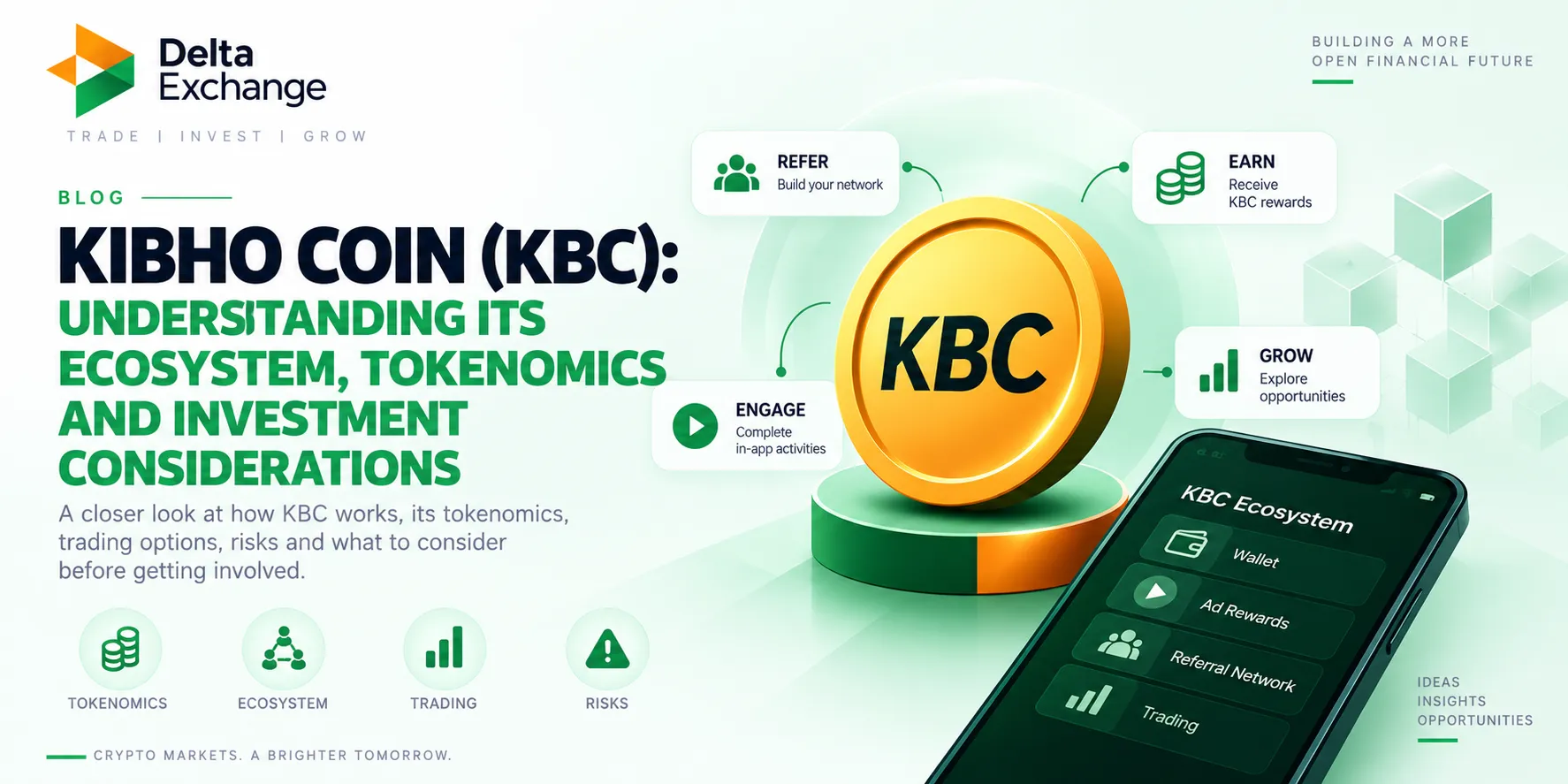

The cryptocurrency market is filled with projects that use blockchain technology for different purposes. While some focus on decentralised finance, payments or digital ownership, others create their own ecosystems around rewards, community participation and token-based incentives. Kibho Coin (KBC) falls into the latter category and has gained interest because of its combination of a crypto token, app-based activities and referral mechanisms.
For anyone researching KBC, it is important to look beyond the token itself and understand how the wider ecosystem operates. This includes its tokenomics, earning structure, trading availability, withdrawal conditions and the risks associated with participating in a relatively niche digital asset.
What Is Kibho Coin?
Kibho Coin, commonly referred to as KBC, is a digital token associated with the Kibho ecosystem. It has been described as a BEP-20 token on the BNB Chain, with a reported total supply of 14.4 billion KBC.
The project has historically promoted an ecosystem where users can interact with the platform, earn KBC through specified activities and participate in a referral network. This makes the project different from cryptocurrencies that primarily depend on open-market trading or decentralised applications.
KBC should therefore be viewed not only as a token but also as part of a broader platform-based model. Understanding the relationship between the token and the platform is essential when evaluating its potential utility and risks.
Understanding KBC Tokenomics
Tokenomics refers to the economic structure of a cryptocurrency. It covers aspects such as total supply, distribution, circulation, utility and the mechanisms that influence demand.
KBC has a reported total supply of 14.4 billion tokens. However, total supply alone does not determine the value of a cryptocurrency. Investors should also consider how many tokens are actually circulating, how tokens are distributed among users, and whether there are mechanisms that can increase or decrease the circulating supply.
Another important factor is utility. A token generally needs a meaningful use case within its ecosystem or sufficient market demand to support long-term relevance. For KBC, much of the historical activity has been connected to its own platform and user ecosystem.
This makes it important to distinguish between the number of tokens held in an account and the actual liquidity or market value that can be realised through selling them.
How Does the KBC Ecosystem Work?
Kibho's model has historically combined several activities. Users could join the platform, participate in app-based activities, view advertisements and earn rewards in KBC. Referrals also played an important role in the ecosystem.
A simplified version of the model can be understood as:
Join → Participate → Refer → Earn Rewards → Hold or Withdraw
The referral element means users could potentially expand their earning opportunities by introducing other participants to the platform. This creates a network effect, where the growth of the user base becomes an important part of the overall ecosystem.
However, users should carefully examine the terms attached to such rewards. Promotional rewards, token balances and withdrawable funds are not necessarily the same thing.
Joining Fees and Lock-In Periods
Historical information associated with Kibho included a reported ₹500 joining fee and a 100-day lock-in period for certain balances. Promotional material also described KBC rewards linked to activities such as registration and advertisement viewing.
These figures should be treated as historical information rather than current terms because platform policies and promotional structures can change.
A lock-in period is particularly important for users because it can affect liquidity. If tokens cannot be withdrawn or transferred immediately, their displayed value may not translate into immediately accessible funds.
Before participating, users should always verify the latest withdrawal rules, fees, minimum withdrawal amounts and applicable restrictions.
KBC and Exchange Trading
A cryptocurrency's availability on external exchanges can have a significant impact on its liquidity and price discovery.
KBC has been reported as being available on certain cryptocurrency exchanges, while it has not been available on several major global platforms. This means users should not assume that KBC has the same market accessibility as larger cryptocurrencies.
Exchange availability can change over time. Trading volume can also vary significantly between platforms. Therefore, anyone considering buying or selling KBC should verify the current listing status, trading pairs, order-book liquidity and withdrawal support on the relevant exchange.
A token may have a quoted market price, but that does not necessarily mean that large quantities can be bought or sold at that price without affecting the market.
Why Liquidity Matters
Liquidity is one of the most important but often overlooked aspects of cryptocurrency investing.
A highly liquid asset generally has a large number of buyers and sellers, allowing transactions to take place with relatively limited price impact. Smaller or less actively traded tokens can behave differently.
For KBC, limited exchange availability may make liquidity an important consideration. Investors should look beyond the displayed price and examine actual trading activity.
The ability to exit a position is just as important as the ability to enter one.
Key Risks Associated With KBC
Like any cryptocurrency, KBC carries risks. However, its specific structure means that users should pay particular attention to several areas.
1. Platform Dependence
Because KBC's utility and earning mechanisms are closely associated with its ecosystem, changes to the platform could potentially affect how users interact with the token.
2. Referral-Based Rewards
A referral-driven model can create incentives based on user recruitment and network expansion. Users should understand where rewards originate and whether the model can remain sustainable without continuous growth in participation.
3. Withdrawal Restrictions
Historical lock-in and withdrawal conditions demonstrate why users should understand the difference between earning tokens and being able to convert them into usable funds.
4. Market Liquidity
Limited trading venues can result in lower liquidity and potentially greater price volatility. Users should verify current trading volumes before making decisions.
5. Regulatory and Compliance Considerations
The existence of a company, app or blockchain token does not automatically mean that an investment is approved or protected by financial regulators. Regulatory treatment can vary by jurisdiction and can change over time.
What Should Users Check Before Participating?
Anyone researching KBC should conduct independent due diligence. Some useful questions include:
- What is the current circulating supply?
- Where can KBC currently be traded?
- What are the actual trading volumes?
- What are the current withdrawal conditions?
- Are there lock-in periods or transaction limits?
- What utility does KBC currently provide?
- How are tokens distributed?
- How dependent are rewards on referrals?
- What information is publicly available about the project's operations?
These questions can help users form a more complete picture instead of relying solely on promotional claims or token prices.
Final Thoughts
Kibho Coin represents a different approach to cryptocurrency, combining an on-chain token with a platform-based ecosystem involving rewards, advertisements and referrals. Its structure makes it important for users to evaluate more than just the token's price or blockchain technology.
The reported 14.4 billion KBC supply, historical reward structure, referral mechanisms, withdrawal conditions and relatively limited exchange availability are all factors worth considering.
Ultimately, the most important principle is simple: a cryptocurrency's value should be evaluated through its actual utility, liquidity, transparency, economics and risks—not simply because it exists on a blockchain.
Anyone considering KBC should verify the latest information and terms before participating, particularly because historical promotional conditions may differ from the platform's current structure.
This article is for educational and informational purposes only and should not be considered financial or investment advice. Cryptocurrency investments involve significant risk, and users should conduct their own research before making financial decisions.





















Sign in to leave a comment.