Kinematics and Dynamics of Automotive Steering and Suspension Systems

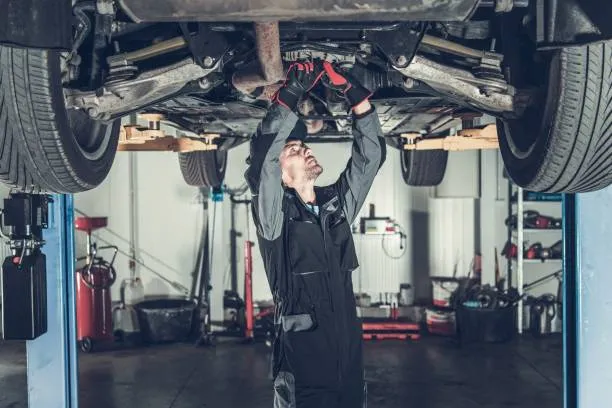
The handling fidelity and stability of any motor vehicle depend upon the mechanical harmony between its steering geometry and suspension components. As a vehicle negotiates corners, absorbs road undulations, and executes emergency avoidance manoeuvres, complex forces transfer through rubber bushings, steel control arms, hydraulic dampers, and pneumatic tyres. For motorists travelling across the varied topography of West Auckland, maintaining these interconnected assemblies is essential for ride comfort, steering precision, and braking efficacy.
Over months of daily driving, road impacts and continuous vibration gradually degrade suspension joints and steering linkages. Worn components alter wheel alignment angles, causing excessive tyre scrubbing, wandering tracking, and vague steering feedback. Understanding the underlying mechanical principles of suspension dynamics enables vehicle owners to identify emerging degradation early and preserve predictable handling across all road conditions.
The Mechanical Roles of Springs, Dampers, and Control Geometry
A vehicle suspension system performs two primary tasks: supporting chassis mass while isolating the passenger cabin from vertical road shocks, and maintaining tyre contact with the road surface. Helical coil springs, torsion bars, or multi-leaf springs absorb kinetic energy when a tyre traverses a surface irregularity. However, springs store this energy and release it in rapid oscillations that would leave the vehicle bouncing uncontrollably without damping mechanisms.

Hydraulic shock absorbers dissipate this oscillatory energy through viscous damping. As the damper piston moves through internal hydraulic fluid, small valves generate hydraulic resistance that converts kinetic energy into thermal energy. When internal piston seals degrade or fluid weeps past the shaft rod, damping resistance diminishes rapidly. The resulting uncontrolled wheel bounce lengthens emergency stopping distances and destabilises the chassis during cornering.
Kinetic Energy Dissipation and High-Speed Cornering Control
Beyond dampening primary vertical shocks, shock absorbers work in coordination with anti-roll sway bars to limit body roll during rapid direction changes. When cornering forces build up, lateral weight transfer compresses the outside suspension while extending the inside assembly. Stabiliser bars link the left and right suspension arms, using torsional resistance to counteract excessive lean and maintain uniform tyre contact.
When anti-roll bar end links or rubber mounting bushings develop excessive play, the stabiliser bar cannot transfer torsional loads effectively. The vehicle experiences heightened body lean, reduced lateral grip, and slower transitional response during sudden avoidance manoeuvres. Regular inspection of stabiliser links, strut top mounts, and control arm bushings preserves chassis tautness and ensures predictable roadholding under challenging driving conditions.
Steering Geometries, Wheel Alignment, and Dynamic Tyre Wear
The steering system translates driver rotational input at the steering wheel into precise angular movement of the front steering knuckles. Modern vehicles employ rack-and-pinion steering gear paired with tie rod ends and ball joints that allow vertical suspension movement while steering. To ensure directional stability and self-centring steering effort, automotive engineers calibrate four critical alignment parameters: camber, caster, toe, and kingpin inclination.
If an alignment parameter drifts because of pothole impacts or worn rubber bushings, the consequences for tyre life and fuel economy are severe. Incorrect toe angles drag the tyre tread diagonally across the road surface, wearing away rubber compounds in a rapid feathering pattern. Investing in timely Car Suspension Repairs New Lynn restores precise geometric angles, prevents premature tyre destruction, and ensures that the vehicle tracks true without pulling to one side.
Specialised Demands of 4x4 Off-Road and Load-Carrying Applications
Suspension requirements increase substantially for utility vehicles, commercial work utes, and four-wheel-drive platforms. Drivers who venture off paved roads or carry heavy trade equipment place extreme torsional stress on chassis mountings, leaf spring shackles, and sway bar linkages. Standard factory suspension packages are often tuned for unladen highway cruising, meaning they sag excessively when subjected to sustained payloads.
Upgrading to heavy-duty suspension packages featuring reinforced dampers, heavy-rate coil springs, and polyelastomer bushings restores proper ride height and suspension travel. Furthermore, installing suspension lift kits demands careful recalibration of steering tie rods and driveshaft angles to prevent driveline binding. Seasoned mechanics assess total vehicle weight distributions and operational requirements to engineer custom suspension configurations tailored to specific trade or recreational applications.
Technical Diagnostics and Workshop Trade Standards
Diagnosing complex suspension and steering problems requires far more than casual visual checks. Modern vehicles feature electric power-assisted steering racks, electronic stability programmes, and variable damping sensors that communicate with engine control modules. An experienced technician combines physical lever checks on ball joints with digital steering angle sensor calibrations to pinpoint subtle mechanical and electronic faults.
Engaging a trusted New Lynn Car Service workshop ensures that steering components, wheel bearings, and suspension struts are replaced using precision trade tooling. Experienced technicians torque critical suspension bolts under normal ride-height loading to prevent premature bushing windup and subsequent failure. This meticulous standard of workmanship delivers smooth road handling, predictable steering response, and complete safety across suburban streets and open motorways alike.
Preserving Long-Term Vehicle Safety and Asset Value
Maintaining steering linkages and suspension geometry delivers measurable financial dividends throughout the operational life of the vehicle. Vehicles with calibrated wheel alignments consume less fuel because rolling resistance is reduced across all four wheels. Furthermore, preserving even tyre wear prevents the expense of premature tyre replacements and protects wheel bearings from unnecessary vibrational fatigue.
Above all, a sound suspension system provides the driver with confident control when sudden emergencies occur. In wet weather or unexpected braking situations, balanced suspension damping keeps tyres planted securely against the tarmac, preventing antilock braking interventions from extending stopping distances. Proactive suspension care ensures that your vehicle remains enjoyable to drive, structurally protected, and safe for every passenger on board.
Conclusion
Automotive suspension and steering assemblies represent a vital engineering link between the vehicle chassis and the roadway surface. Preserving these intricate mechanisms ensures accurate steering control, minimal tyre wear, and optimal emergency braking capability. By partnering with skilled local technicians who possess advanced diagnostic tools and extensive trade experience, vehicle owners maintain superior ride stability, driving comfort, and complete peace of mind on every journey.


Sign in to leave a comment.