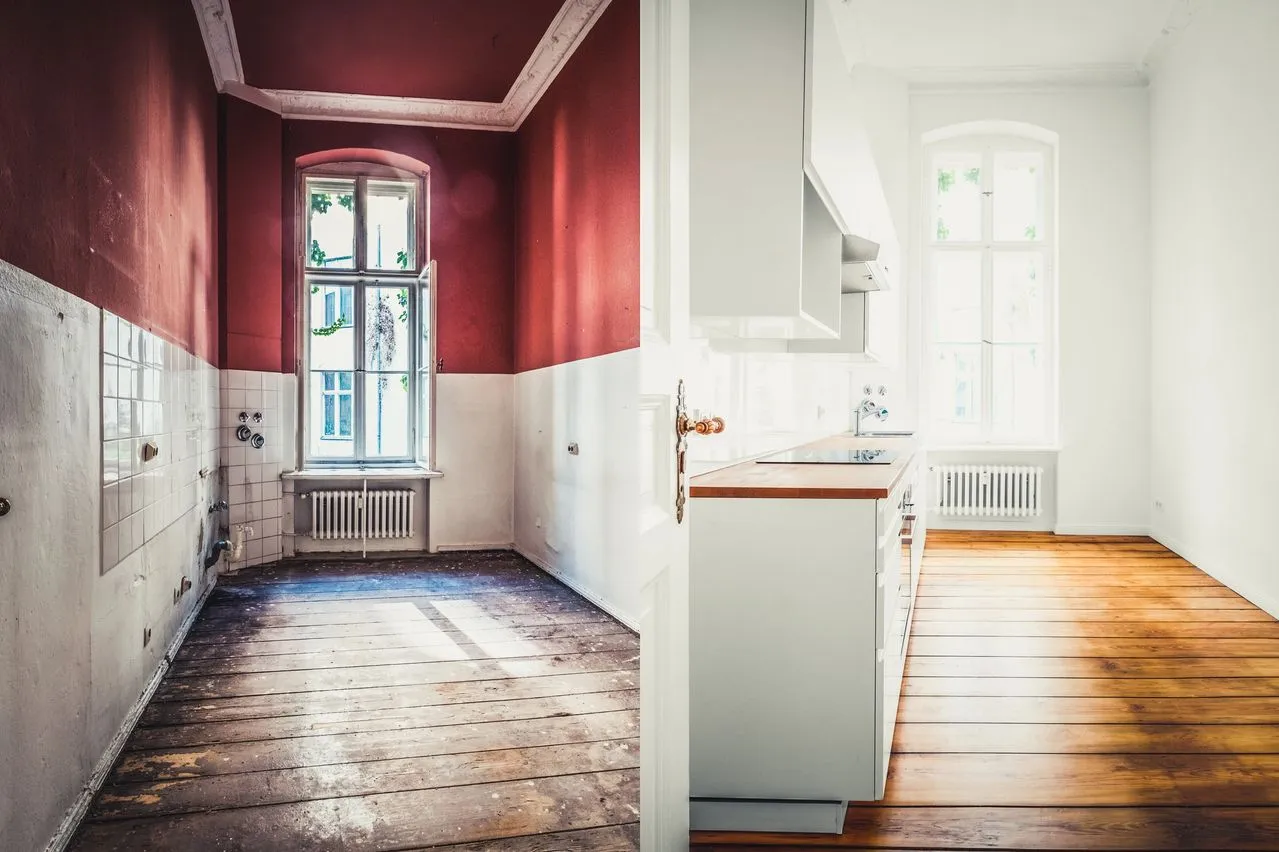

Planning a kitchen and bathroom remodeling project in Seattle requires balancing practical design choices, project timing, local permits, and precise budgeting. Renovating core spaces updates daily living areas and addresses functional issues like aging plumbing or cramped floor plans. Because remodeling involves trade coordination and local building codes, understanding what lies ahead helps keep costs predictable and timelines manageable.
This guide outlines realistic cost expectations, planning considerations, material choices, and permit requirements for residential remodeling across the Greater Seattle Area.
Why Kitchen and Bathroom Remodeling Can Add Value and Livability
Kitchens and bathrooms serve as primary functional hubs in any home. Updating these spaces improves daily convenience, storage efficiency, and energy performance through modern fixtures.
Well-planned renovations also enhance home appeal when it comes time to sell, as buyers prioritize updated plumbing, modern lighting, and efficient layouts.
Resale value depends heavily on local market conditions, finish quality, and neighborhood standards. The Pacific edition of the Remodeling Cost vs. Value Report consistently indicates that functional kitchen and bathroom upgrades recoup a substantial portion of their cost at resale.
However, return on investment varies. Renovations should balance long-term financial equity with immediate personal comfort, accessibility, and improved energy efficiency.
How Much Does a Kitchen Remodel Cost in Seattle?
The cost of a kitchen remodel in Seattle depends on square footage, layout changes, cabinetry quality, and material choices. Planning-level budgets generally fall into three main tiers:
- Minor Cosmetic Refresh ($20,000 to $40,000): Focuses on surface updates such as painting existing cabinets, upgrading hardware, replacing countertops, installing new light fixtures, and updating backsplash tile.
- Mid-Range Remodel ($40,000 to $85,000): Covers new stock or semi-custom cabinetry, updated tile or hardwood flooring, durable quartz countertops, mid-tier appliances, and minor plumbing or electrical adjustments.
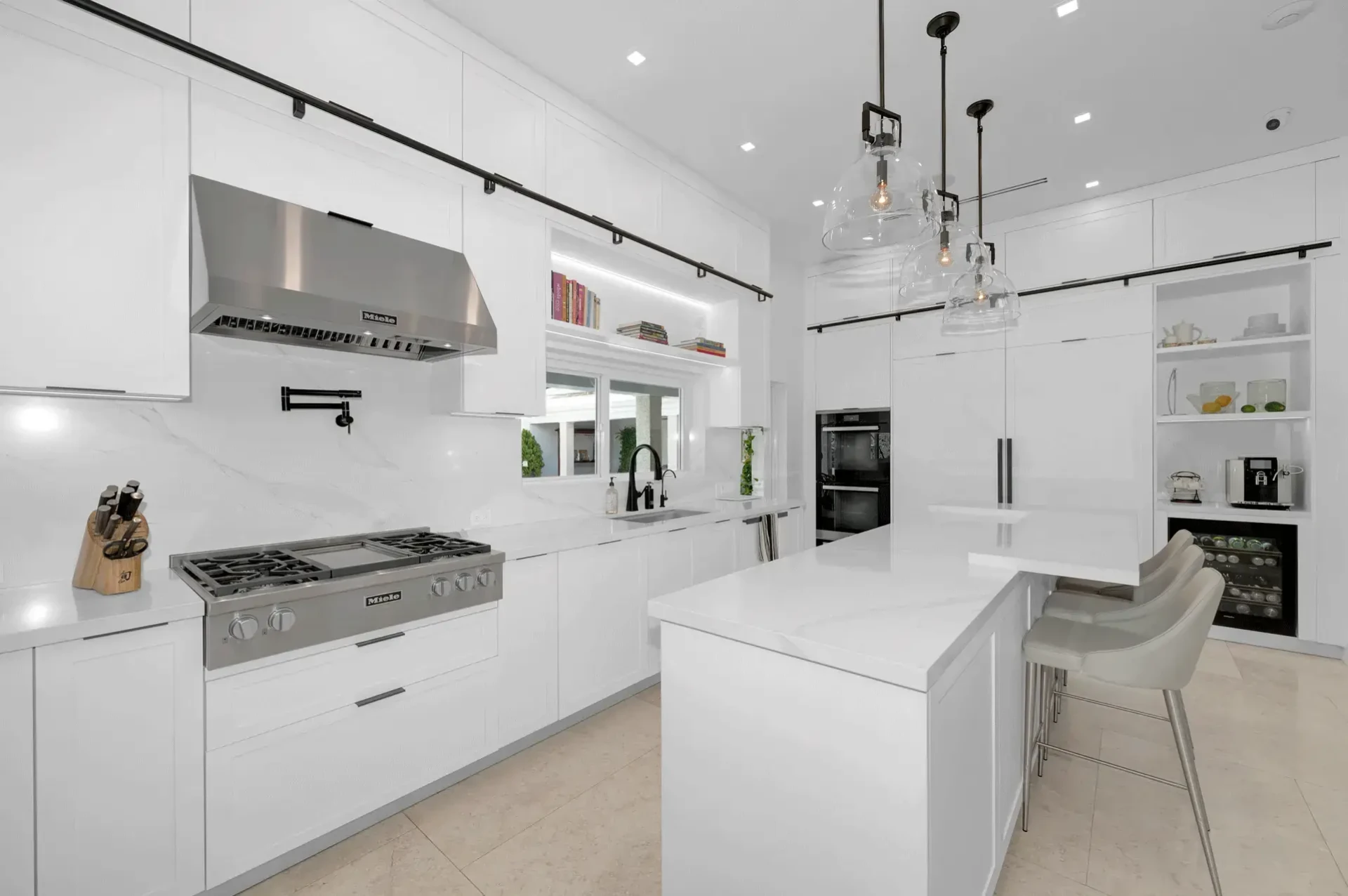
- Full-Gut or High-End Remodel ($85,000 to $150,000+): Involves custom cabinetry, premium stone countertops, high-end appliance suites, structural wall removal, relocated utilities, and detailed design features.
Primary cost drivers include custom cabinetry, high-end countertops, relocating plumbing or electrical lines, and structural wall removals.
Unplanned repairs inside framing or subfloors can also affect final costs. Setting aside a 10% to 15% contingency fund ensures unexpected conditions do not stall construction.
How Should Seattle Homeowners Plan a Kitchen Remodel?
Successful kitchen planning starts with identifying daily functional needs before selecting finishes. Evaluate workflow patterns, storage limitations, and lighting adequacy. Establish a clear budget limit that includes project design, labor, materials, permits, and contingency buffers.
Older homes in Seattle neighborhoods like Capitol Hill, Ballard, and Queen Anne often feature narrow layout configurations or outdated wiring. Planning ahead allows homeowners to address subfloor levelling, electrical service upgrades, or structural headers before finishes arrive.
Ordering long-lead items like custom cabinets or specialty fixtures early prevents construction delays.
Which Kitchen Layouts and Materials Work Well?
Choosing an effective kitchen layout determines how comfortably you cook, entertain, and move through the space. Common layout options include:
- Galley Layouts: Highly efficient for narrow spaces, placing work zones on opposing walls to maximize linear counter area.
- L-Shaped Layouts: Flexible options that open into adjacent dining or living spaces, making them suitable for adding a center island.
- Open-Concept Layouts: Involves removing non-load-bearing or load-bearing walls to connect the kitchen directly to living areas, increasing light and overall spatial flow.
Careful placement of the sink, refrigerator, and cooktop maintains clear traffic paths and prevents appliance doors from swinging into one another.
Avoid layout errors like placing refrigerators directly against side walls without door clearance or omitting dedicated pantry storage.
Material selection must balance durability and moisture resistance. Solid hardwood or luxury vinyl tile withstands heavy foot traffic. Quartz and quartzite countertops offer non-porous surfaces that resist staining and chipping.
For homeowners exploring custom kitchen remodel options in Seattle, combining durable surface materials with efficient storage solutions ensures lasting performance.
When Should You Hire a Seattle Remodeling Contractor?
While basic cosmetic updates like painting or changing cabinet knobs can suit DIY enthusiasts, structural changes and utility relocations require professional expertise.
Hiring a professional Seattle home remodeling contractor is critical when projects involve moving plumbing stacks, adding electrical circuits, or removing walls.
General contractors coordinate specialized trade professionals, manage material deliveries, enforce quality standards, and handle municipal building inspections.
Their oversight ensures work complies with safety standards and local code requirements.
How Much Does a Bathroom Remodel Cost in Seattle?

Planning a bathroom remodel in a Seattle home requires understanding how plumbing density impacts square-foot costs. Typical planning ranges include:
- Powder Room ($5,000 to $10,000): Covers fixture updates, fresh vanity installation, lighting improvements, and paint.
- Full Bathroom ($15,000 to $35,000): Includes tub-to-shower conversions, new tile flooring, modern vanities, plumbing fixture updates, and enhanced lighting.
- Luxury Bathroom ($50,000+): Encompasses expanding square footage, high-end natural stone tile, wet-room configurations, custom double vanities, heated flooring, and architectural lighting.
Final prices depend on finish tiers, site access, subfloor repair requirements, and fixture selections.
Identifying price ranges early keeps initial design planning aligned with practical construction budgets.
Should You Choose a Cosmetic Bathroom Refresh or a Full Remodel?
Determining whether to perform a cosmetic update or a full-gut renovation comes down to the underlying condition of the room.
A cosmetic refresh works well when tile, plumbing, and framing remain structurally sound, needing only visual modernizing.
A full bathroom renovation becomes necessary when experiencing:
- Outdated, corroded, or leaking galvanised steel plumbing lines.
- Persistent water intrusion, subfloor rot, or hidden mold.
- Failed shower pan waterproofing or cracked wall backing boards.
- Inadequate ventilation leading to chronic condensation problems.
- Outdated electrical wiring that fails to meet modern GFCI code standards.
Addressing concealed moisture damage or failing plumbing behind walls protects the home structure and prevents expensive repairs later.
Which Bathroom Features and Materials Are Practical in Seattle?
Seattle's damp marine climate requires materials that resist moisture and condensation. Choosing the right tile impacts long-term maintenance:
- Porcelain Tile: Dense, non-porous, and extremely durable. Ideal for high-moisture shower enclosures and high-traffic floors.
- Ceramic Tile: Cost-effective and versatile for vertical wall applications, though generally softer than porcelain.
- Natural Stone Tile: Provides distinct aesthetics but requires routine sealing to prevent water absorption and staining.
Proper mechanical ventilation is essential. Installing an exhaust fan rated for appropriate CFM (cubic feet per minute) output removes humid air, meeting code requirements and preventing mold growth.
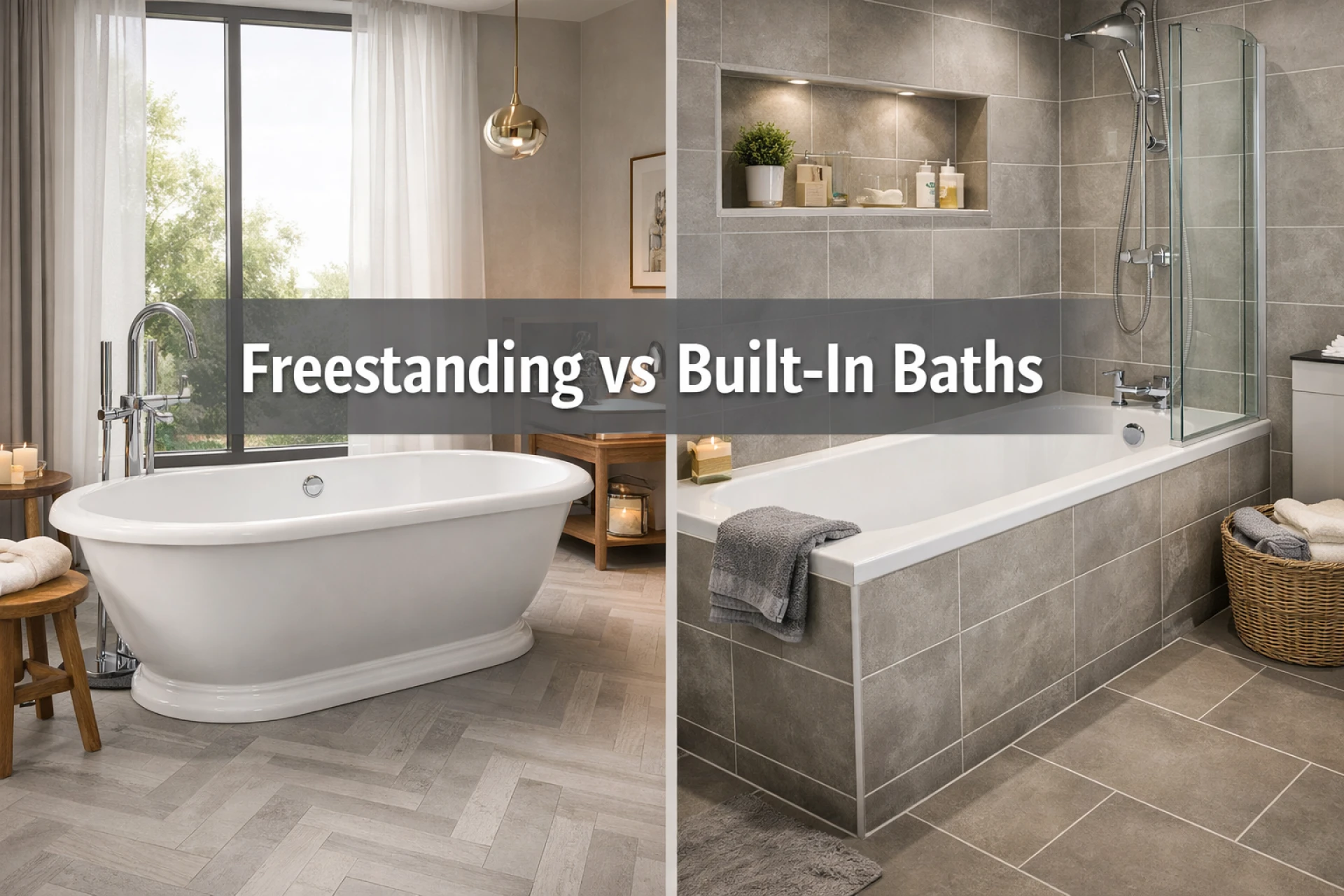
Space-saving options like frameless shower enclosures, floating vanities, recessed medicine cabinets, and large-format tile make smaller bathrooms feel spacious. Features like heated floor systems, double vanities, and low-flow water fixtures enhance convenience and efficiency.
Homeowners looking to upgrade can evaluate tailored options for a bathroom renovation Seattle project to maximize comfort and floor space.
Do You Need a Permit for a Kitchen or Bathroom Remodel in Seattle?
Permit requirements depend strictly on project scope. The Seattle Department of Construction and Inspections (SDCI) regulates residential construction across the city.
Permits are generally required for:
- Moving, removing, or constructing structural walls.
- Altering or adding electrical wiring, outlets, or dedicated circuits.
- Relocating or extending plumbing supply and drain lines.
- Installing new mechanical ventilation ducting through exterior walls or roofs.
Minor cosmetic work, such as replacing existing countertops, replacing light fixtures on existing junction boxes, or painting, often does not require building permits.
A qualified contractor guides homeowners through permit application steps, but the authority having jurisdiction determines all final approval requirements. Older homes in areas like Ballard or Queen Anne may present unique structural conditions that necessitate formal city review.
How Long Does a Kitchen or Bathroom Remodel Take?
Understanding project timelines helps set practical expectations for daily living during construction. Standard construction phases run on predictable schedules:
- Kitchen Remodel Timelines: Cosmetic updates usually require 4 to 6 weeks of active work. Full-gut remodels involving layout changes or structural work take approximately 8 to 12 weeks or longer once on-site construction begins.
- Bathroom Remodel Timelines: A full bathroom renovation typically takes 2 to 4 weeks of active construction once work starts.
Total project duration expands when accounting for pre-construction planning. Cabinet manufacturing lead times, custom tile delivery, permit processing schedules through SDCI, and hidden structural repairs uncovered during demolition can adjust overall project completion dates.
What Should You Look for in a Seattle Remodeling Contractor?
Selecting the right partner is vital for a smooth construction process. Look for a licensed, insured Seattle remodeling company that demonstrates clear communication practices and detailed scope estimates.
A dependable contractor maintains strong trade relationships, manages municipal inspections, and provides realistic timelines. They should demonstrate familiarity with local building requirements and maintain tidy, safe job sites throughout construction.
What Common Remodeling Mistakes Should Seattle Homeowners Avoid?
Avoiding frequent planning missteps protects your investment and prevents unnecessary project delays:
- Skipping Contingency Funds: Failing to budget extra funds for hidden dry rot or electrical updates found during demolition.
- Neglecting Ventilation: Installing inadequate exhaust systems in bathrooms, leading to moisture buildup.
- Finalizing Layouts Mid-Project: Changing appliance locations or wall configurations after construction starts, which increases costs and delays schedule.
- Ordering Materials Late: Delaying fixture or cabinet selections, causing workers to sit idle while waiting for deliveries.
Partnering with an experienced residential remodeling Seattle firm helps identify potential bottlenecks early and keeps construction moving forward smoothly.
How Does Rabbit Residential Construction Approach Remodeling Projects?
Clear planning, open communication, and careful trade sequencing form the foundation of successful home upgrades. Systematic coordination helps every project manage time and resources efficiently.
Rabbit Residential Construction manages residential projects through structured phases: initial consultation, detailed scope and budget review, design coordination, material ordering, active construction, city inspections, and a final detail walkthrough.
This methodical approach maintains high craftsmanship standards while keeping homeowners informed at every stage.
FAQ
How much does a kitchen remodel cost in Seattle?
A minor cosmetic kitchen refresh in Seattle generally costs between $20,000 and $40,000. A mid-range kitchen remodel ranges from $40,000 to $85,000, while a full custom overhaul can exceed $85,000. Final project costs depend on structural modifications, appliance choices, cabinet customization, and material selection. Planning for a contingency fund helps absorb unexpected repairs found during construction.
How long does a bathroom remodel take in Seattle?
Once construction begins, a full bathroom renovation typically takes between 2 and 4 weeks to complete. However, total project duration increases when factoring in initial design, permit reviews through the city, and material ordering lead times. Hidden structural issues, custom tile lead times, or framing repairs uncovered during demolition can also extend the schedule.
Do I need a permit for a kitchen or bathroom remodel in Seattle?
You need a permit if your project involves moving walls, altering plumbing runs, adding electrical circuits, or modifying mechanical systems. Minor cosmetic updates, such as replacing cabinet hardware, painting, or updating surface fixtures without altering underlying infrastructure, usually do not require permits. Homeowners must verify requirements with the Seattle Department of Construction and Inspections before starting.
What is the difference between a cosmetic refresh and a full remodel?
A cosmetic refresh updates visual surfaces without altering the layout, structural walls, or trade utilities. This includes painting, updating light fixtures, and replacing cabinet hardware or countertops. A full remodel alters room layout, replaces plumbing and electrical infrastructure, removes or adds walls, and installs all new fixtures to improve overall space function.
How do I choose the right contractor for a Seattle remodeling project?
Select a licensed local contractor with proven experience managing Seattle permits, trade subcontractors, and local building codes. Look for clear estimate structures, active communication protocols, and transparent project timelines. Experienced contractors help homeowners navigate material lead times, coordinate city inspections smoothly, and handle structural challenges common in older Seattle homes.
Can Rabbit Residential Construction handle both kitchen and bathroom remodels at the same time?
Yes, combining kitchen and bathroom projects into a single construction timeline can streamline trade scheduling and overall project management. Managing both spaces simultaneously reduces total project duration compared to separate projects. Rabbit Residential Construction coordinates trade work, material orders, and municipal inspections to maintain efficient timelines and consistent quality across both living areas.
What materials are best for Seattle’s climate in kitchens and bathrooms?
Non-porous, moisture-resistant materials perform best in Seattle’s humid marine climate. Porcelain and ceramic tiles offer excellent water resistance for floors and shower walls. Quartz countertops provide low-maintenance, stain-resistant work surfaces for kitchens and bathrooms. Proper moisture barriers, water-resistant backer boards, and quiet high-CFM exhaust fans protect spaces from mold and condensation.
About Rabbit Residential Construction
Rabbit Residential Construction serves homeowners across the Greater Seattle Area, delivering quality craftsmanship and clear project oversight. Led by founder Phil Killham, the company specializes in kitchen remodeling, bathroom remodeling, ADU construction, DADU permits, home additions, and full-home renovations.
The firm emphasizes transparent scope planning, structured material coordination, active project communication, and disciplined construction management. From preliminary planning and permit tracking through trade execution and final walkthroughs, Rabbit Residential Construction focuses on providing durable, well-executed residential remodeling solutions.
Planning a kitchen or bathroom renovation in Seattle?
Contact Phil Killham and the team at Rabbit Residential Construction to discuss your project scope, timeline, and preliminary budget. Visit rabbitresidential.com today to schedule your initial remodeling consultation.
Sources and Verification Notes
- Seattle Department of Construction and Inspections (SDCI): Reference standards for Seattle residential construction permits, trade permits, and mechanical ventilation requirements.
- Washington State Department of Labor & Industries (L&I): Guidelines for contractor registration, trade licensing, and safety compliance in Washington State.
- Remodeling Cost vs. Value Report (Pacific Region): Regional cost trends and resale value data for mid-range and high-end residential remodeling projects.
- National Association of Home Builders (NAHB): Standard residential construction practices, remodeling timeline benchmarks, and material durability standards.






















Sign in to leave a comment.