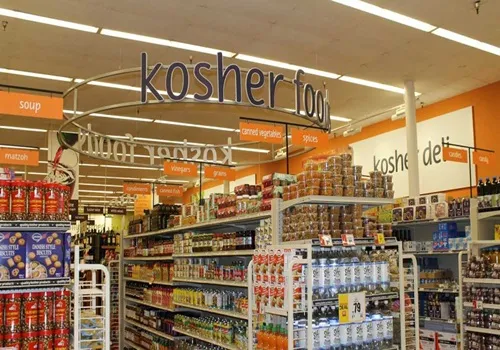

Dairy is one of India's strongest food sectors, and it is also one of the most closely examined categories in kosher certification. Milk, paneer, ghee, butter, cheese, yoghurt and milk powders are used in homes, restaurants, bakeries and factories around the world. Buyers who serve kosher-conscious customers want assurance that these products were made under verified conditions.
This article covers what dairy producers should understand before applying, how the audit differs from other categories and how certification can support growth.
Why Dairy Gets Extra Attention
In kosher law, dairy has its own rules. Milk must come from permitted animals, and the ingredients and processing steps that turn milk into other products must meet kosher standards. Dairy and meat must also be kept strictly apart, which affects equipment, cleaning and storage.
A general Kosher Certification process applies to dairy as it does to other foods, but dairy has more checkpoints. A single product such as cheese can involve cultures, enzymes, salt, colours and coatings, and each one has to be reviewed.
What the Audit Typically Covers
Auditors reviewing a dairy facility usually look at the following areas.
Raw milk and ingredients. The source of the milk, and every ingredient added during processing, from cultures and stabilisers to flavours and preservatives.
Enzymes and cultures. Cheese and fermented products often depend on enzymes and starter cultures, and their origin and kosher status must be documented.
Equipment. Whether production lines are used only for dairy, or shared with meat, non-kosher or non-dairy products, and how they are cleaned between runs.
Cleaning agents and lubricants. Even items that never enter the product, such as machine lubricants, can matter if they touch food surfaces.
Traceability. Records showing where each ingredient came from and which batch used it.
A Kosher certificate for dairy products is issued only after these areas have been reviewed and found to meet requirements. It tells buyers that the whole chain, from raw material to packing, was checked.
Dairy, Pareve and the Meat Question
Kosher food is classed as meat, dairy or pareve. Dairy products cannot be combined with meat, which is why food-service and catering buyers care so much about the category. A pareve product contains neither meat nor dairy and can be served with either.
This matters if you manufacture items that contain small amounts of milk derivatives, such as bakery goods, confectionery, sauces or snacks. Even a small dairy component can change a product's category, so a careful ingredient review helps you label correctly and avoid problems with buyers.
Dairy Businesses That Can Benefit
Certification can help many parts of the dairy sector:
- Milk processors supplying liquid milk and cream
- Cheese and paneer makers selling to retail and food service
- Ghee and butter producers supplying households and industrial buyers
- Milk powder and whey manufacturers serving ingredient markets
- Yoghurt and ice-cream makers with packaged retail brands
- Contract and private-label producers who make dairy items for other brands
Ingredient suppliers can see a particular advantage. Manufacturers of biscuits, chocolates, ready meals and bakery products often need certified dairy inputs to keep their own products kosher, so a certified supplier is easier to approve.
Building Buyer Confidence Abroad
Overseas buyers want documents they can rely on. For dairy exporters who sell in several markets, a Globally Acceptable Kosher Certificate helps reduce back-and-forth, because importers in different countries are more likely to accept it without extra verification. Before choosing an agency, ask your main buyers which certifications they recognise.
A certificate also supports how you present your range. Companies that promote Kosher certified products in catalogues, on packaging and on their websites give retailers and distributors a clear reason to consider them, especially when comparing similar suppliers.
Regional Perspective
India's dairy and food-processing industries are spread across several regions, and many producers prefer a partner who understands their area.
Maharashtra. Mumbai's ports and its concentration of food traders and packaged-food companies make it an important hub. Dairy and food businesses in the region can read about Kosher certification in Mumbai.
Gujarat. Gujarat has a long tradition of dairy cooperatives and agro-processing. Producers around Ahmedabad can explore Kosher certification in Ahmedabad to learn how the process applies locally.
Telangana. Hyderabad's food-processing and ingredient sector continues to grow, and businesses there can review Kosher certification in Hyderabad.
Thinking About Cost
Fees depend on factors such as the number of products, the complexity of ingredients, the size of the plant and how often inspections are required, so they differ from business to business. Many smaller dairies look for Kosher certified at lowest cost options to protect their margins, and that is a reasonable priority.
Even so, price should be compared with value. Check how widely the certificate is accepted, what the ingredient review includes and how much support you get at renewal. A certificate that your largest buyer does not recognise saves nothing.
A Growing Market Opportunity
Global demand for verified, traceable food continues to rise, and dairy is a natural fit for that trend. As more Indian producers certify their products, the standing of Kosher India as a supplier of reliable, export-ready food and ingredients keeps growing, and dairy businesses can be part of that story.
Common Dairy Certification Pitfalls
Most delays in dairy certification come from a few avoidable issues:
- Missing enzyme or culture details. Cheese and fermented products need full documentation of these inputs.
- Shared equipment without protocols. If lines also handle other product types, cleaning procedures must be clear and recorded.
- Unverified additives. Stabilisers, flavours, colours and coatings each need approval.
- Unreported changes. Switching suppliers or adjusting recipes without notifying the agency can put your status at risk.
- Gaps in records. Auditors expect purchase, batch and cleaning records that match what you tell them.
A Practical Preparation Checklist
Before you apply, make sure you can answer yes to each of these:
- Do we have a complete list of ingredients, additives and suppliers for every dairy product?
- Have we collected kosher documentation for our enzymes, cultures and flavours?
- Are cleaning and changeover procedures written down and followed?
- Do we know which products are dairy and which might be pareve?
- Are our records organised well enough to trace any batch?
- Have we confirmed which certificates our target buyers accept?
Final Thoughts
For dairy producers, kosher certification is a way to show that a demanding category has been checked carefully from start to finish. With organised records, clear supplier documentation and a suitable certification partner, dairy businesses in India can meet buyer requirements, open doors in new markets and earn long-term trust.
If you make or supply dairy products, start by reviewing your ingredients and equipment, and then talk to a certification provider whose experience and recognition match your goals.



























Sign in to leave a comment.