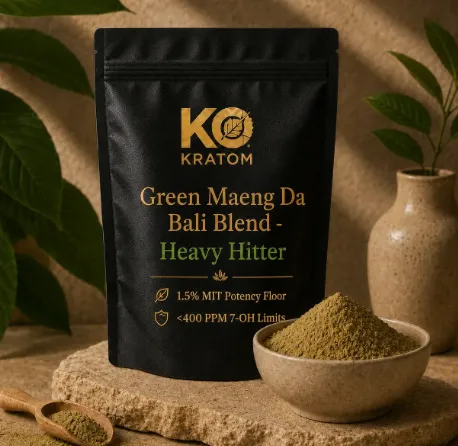

Kratom is a botanical product derived from the leaves of Mitragyna speciosa, a tree native to Southeast Asia. It is commonly sold in different forms, with powders and capsules being two of the most recognizable formats. People researching kratom products may encounter different varieties, packaging options, and labeling practices, making it important to understand the differences before making an informed decision.
What Is Kratom Powder?
Kratom powder is made from dried kratom leaves that have been processed into a fine powder. It is one of the traditional forms in which kratom is sold. Product labels may identify different vein colors or regional names, although these descriptions do not necessarily provide a standardized measure of chemical composition.
When researching kratom powder, consumers should pay attention to product labeling and testing information. Independent laboratory testing can provide information about a product's contents, including whether certain contaminants are present. Because manufacturing practices can differ between suppliers, reviewing available testing documentation can be useful when evaluating product quality.
What Are Kratom Capsules?
Kratom capsules contain kratom powder enclosed in a capsule. This format provides a pre-portioned product and avoids the need to handle loose powder. Capsule products may be available in varieties corresponding to the powders from which they are made.
As with powdered products, consumers researching kratom capsules should examine the product label and available laboratory testing information. It is also important to check the laws and regulations applicable to kratom products in the location where they live, as regulations can vary by jurisdiction.
Comparing Powder and Capsule Formats
One of the main differences between kratom powder and capsules is the form in which the material is presented. Powder is a loose botanical material, while capsules contain the powder inside a capsule shell.
Packaging and labeling can also differ. Powder products may make the underlying material more visible, while capsules provide a sealed format. Neither format should automatically be considered higher quality based solely on its presentation. Quality depends on factors such as sourcing, manufacturing practices, accurate labeling, and testing.
People researching these products should therefore look beyond the format itself. Information about ingredients, batch testing, manufacturing standards, and applicable restrictions can provide more useful information than packaging alone.
What to Look for When Researching Kratom Products
Whether researching powder or capsules, several factors are worth checking. First, look for clear product labeling that identifies the contents and relevant product information. Second, check whether the company provides independent laboratory testing or certificates of analysis for its products.
Testing documentation may provide information about contaminants and the tested composition of a particular batch. Consumers should also determine whether the testing information corresponds to the exact product and batch being considered rather than relying on a generic laboratory report.
It is also important to research local regulations. Kratom is subject to different legal restrictions in different countries, states, and municipalities. A product being available online does not necessarily mean that it is legal to possess or purchase everywhere.
Understanding Product Names and Varieties
Kratom products are often marketed using names such as White, Green, or Red Maeng Da, along with geographic or blend descriptions. These names are commonly used as product identifiers, but consumers should avoid assuming that a particular name guarantees a specific effect or chemical profile.
Different suppliers may use similar terminology for products that have not been standardized across the industry. Laboratory information and transparent product documentation can therefore be more useful for understanding what a particular product contains.
Making an Informed Choice
Researching kratom products requires more than comparing powder with capsules. Consumers should consider the source of the product, available testing information, labeling accuracy, applicable laws, and the company's transparency about its manufacturing and quality-control practices.
Anyone considering kratom should also be aware that kratom can have risks and potential adverse effects, and interactions with medications or other substances are possible. The FDA has warned about potential risks associated with kratom, and people with questions about personal safety should consult a qualified healthcare professional.
Final Thoughts
Kratom powder and kratom capsules are two common product formats, but the format alone does not determine product quality. Reviewing independent testing, product labeling, sourcing information, and applicable regulations can help consumers conduct more informed research.
For anyone comparing kratom powder and capsules, the most useful approach is to evaluate the documentation behind the product rather than relying solely on product names, packaging, or marketing claims. Careful research can help consumers better understand the differences between products and the information available about them.



























Sign in to leave a comment.