

Laboratories are constantly changing environments that need to adapt to new technologies, research requirements, and operational demands. Over time, existing laboratory spaces can become outdated, inefficient, or unsuitable for modern working practices.
Laboratory refurbishment provides an effective solution for organisations looking to improve their current facilities without the need to relocate or build a completely new laboratory. A professional refurbishment project can enhance safety, improve workflow, upgrade laboratory furniture, and create a more productive working environment.
From research facilities and healthcare laboratories to schools, universities, and commercial organisations, laboratory refurbishment helps transform outdated spaces into modern, functional, and future-ready environments.
What Is Laboratory Refurbishment?
Laboratory refurbishment is the process of upgrading and improving an existing laboratory to enhance its functionality, safety, appearance, and efficiency.
Unlike a standard building renovation, laboratories require specialist planning because they include technical systems, scientific equipment, and specific safety requirements.
A laboratory refurbishment project may include:
- Redesigning laboratory layouts
- Replacing old laboratory furniture
- Installing new workbenches and storage solutions
- Upgrading electrical and plumbing systems
- Improving ventilation and extraction systems
- Creating better workflow arrangements
- Updating laboratory facilities
The main goal is to create a laboratory environment that supports safe working practices and improves operational efficiency.
Why Do Laboratories Need Refurbishment?
1. Outdated Laboratory Facilities
Many laboratories are designed to meet the requirements of the past but may struggle to support modern operations.
Common challenges include:
- Old laboratory furniture
- Limited workspace
- Poor storage solutions
- Inefficient layouts
- Difficulty accommodating new equipment
A professional laboratory refurbishment helps modernise these spaces and make them suitable for current needs.
2. Changing Research and Business Requirements
Scientific organisations often evolve over time. New equipment, additional staff, and changing research activities can create new demands on existing laboratory spaces.
Refurbishment allows organisations to adapt their laboratories by introducing:
- Flexible layouts
- Additional work areas
- Improved storage
- Better equipment placement
This ensures the laboratory continues to support future growth.
3. Improving Laboratory Workflow
An inefficient laboratory layout can reduce productivity by creating unnecessary movement between workstations, equipment, and storage areas.
A well-planned refurbishment focuses on:
- Better workspace organisation
- Improved equipment positioning
- Easier staff movement
- More efficient use of available space
This creates a smoother and more productive working environment.
4. Enhancing Safety Standards
Safety is a critical part of every laboratory environment.
Laboratory refurbishment can improve:
- Work area organisation
- Equipment placement
- Storage systems
- Emergency access
- Ventilation solutions
A safer laboratory protects staff and creates better working conditions.
What Does Laboratory Refurbishment Include?
Laboratory Design and Space Planning
The first stage of any refurbishment project is understanding how the laboratory is currently used and what improvements are required.
Specialists consider:
- Laboratory workflow
- Equipment requirements
- Number of users
- Available space
- Future expansion plans
The result is a practical design that improves efficiency.
Laboratory Furniture Installation
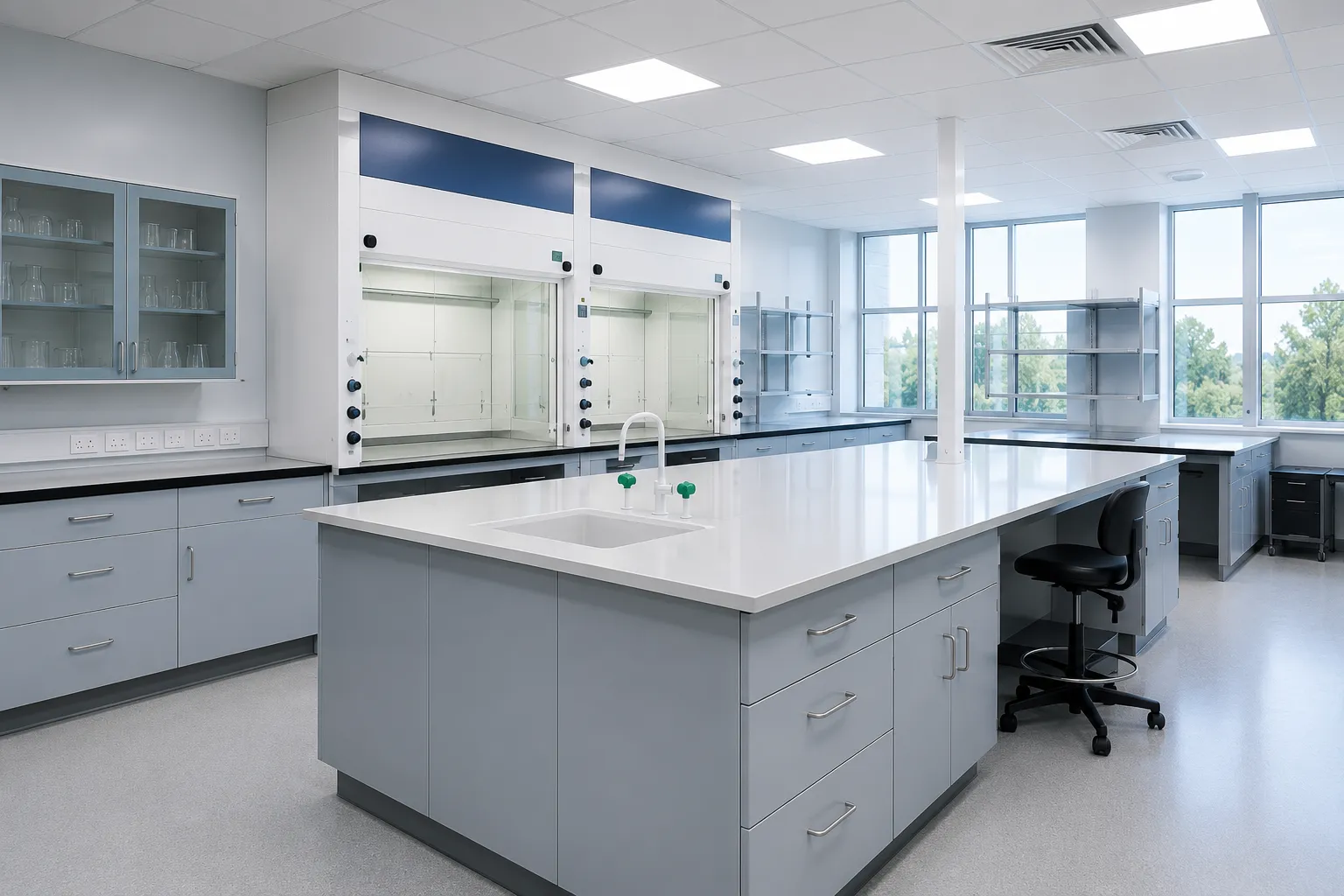
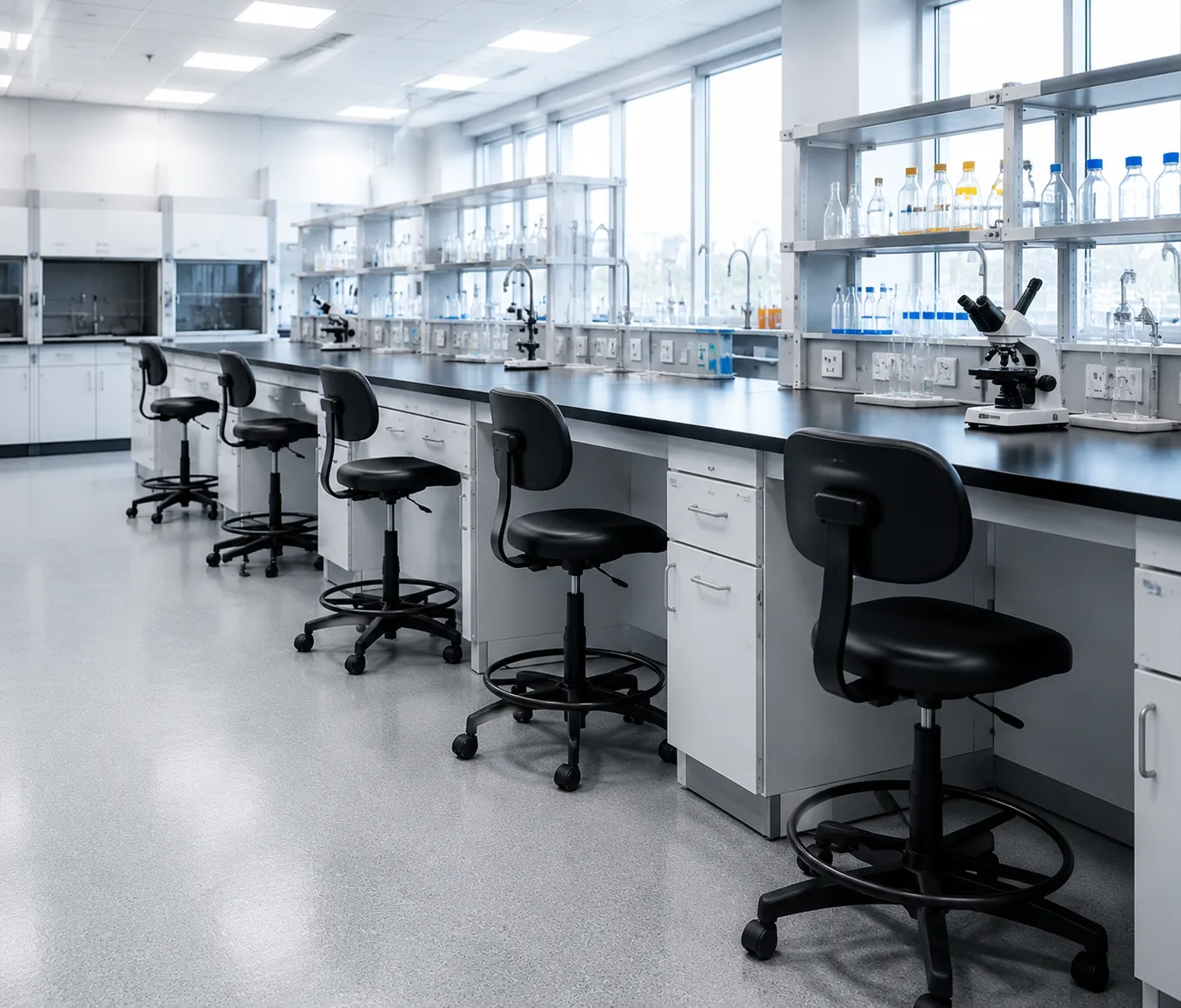
Laboratory furniture plays an important role in creating functional workspaces.
A refurbishment project may include:
- Laboratory benches
- Worktops
- Storage cabinets
- Shelving systems
- Mobile laboratory units
- Specialist workstations
Modern furniture improves durability, organisation, and usability.
Electrical and Plumbing Upgrades
Laboratories require reliable technical services to support equipment and daily activities.
Refurbishment may involve upgrading:
- Electrical connections
- Lighting systems
- Water supplies
- Drainage
- Equipment connections
These improvements ensure the laboratory can support modern requirements.
Ventilation and Environmental Improvements
Many laboratories require controlled environmental conditions.
A refurbishment project may improve:
- Air circulation
- Extraction systems
- Ventilation
- Temperature control
These systems help maintain a suitable working environment.
Benefits of Laboratory Refurbishment
Better Use of Existing Space
Refurbishment allows organisations to maximise their existing laboratory area instead of investing in a completely new facility.
Increased Productivity
Improved layouts and modern facilities help teams complete tasks more efficiently.
Improved Safety
Updated designs, furniture, and systems create safer working conditions.
Reduced Disruption
A planned refurbishment can often be completed in phases to minimise impact on ongoing operations.
Future-Proof Laboratory Environment
Flexible laboratory designs allow organisations to adapt as technology and requirements change.
Laboratory Refurbishment Process
Step 1: Consultation and Assessment
The process begins by understanding:
- Current laboratory challenges
- Required improvements
- Budget considerations
- Project objectives
This helps create a suitable refurbishment plan.
Step 2: Site Survey
A detailed assessment identifies:
- Existing laboratory conditions
- Available services
- Required upgrades
- Potential limitations
Step 3: Laboratory Design
Specialists develop a design based on:
- Safety requirements
- Workflow
- Equipment needs
- Future requirements
Step 4: Installation and Refurbishment
The refurbishment stage may include:
- Removing outdated elements
- Installing new furniture
- Upgrading laboratory systems
- Improving workspace layouts
Step 5: Completion and Handover
After completion, the laboratory is checked to ensure all improvements meet the project requirements and are ready for use.
Industries That Require Laboratory Refurbishment
Research Laboratories
Research organisations require flexible spaces that support innovation and changing scientific requirements.
Healthcare Laboratories
Healthcare facilities need safe and efficient environments for testing and diagnostic activities.
Pharmaceutical Laboratories
Pharmaceutical companies require specialist environments for research, development, and quality control.
Biotechnology Facilities
Biotechnology organisations benefit from adaptable laboratories designed around evolving research needs.
Educational Science Laboratories
Schools and universities require modern science laboratories that support practical learning.
Laboratory Refurbishment vs Laboratory Fit Out
Although both services improve laboratory environments, they serve different purposes.
Laboratory Fit Out
A laboratory fit out involves creating a new laboratory space from an empty or prepared area.
It may include:
- Laboratory design
- Construction work
- Furniture installation
- Equipment integration
Laboratory Refurbishment
A laboratory refurbishment focuses on upgrading an existing laboratory.
It may include:
- Modernising layouts
- Replacing furniture
- Improving services
- Updating facilities
Many organisations require a combination of both depending on their requirements.
Choosing the Right Laboratory Refurbishment Company
Selecting an experienced specialist is important for achieving successful results.
Consider:
Laboratory Experience
Choose a company that understands laboratory environments and technical requirements.
Complete Project Support
A reliable refurbishment specialist should provide support from:
- Planning
- Design
- Installation
- Completion
Technical Knowledge
The company should understand laboratory furniture, services, equipment requirements, and safety considerations.
Why Choose Lab Fit UK for Laboratory Refurbishment?
Lab Fit UK provides specialist laboratory refurbishment services across the UK, helping organisations transform outdated laboratories into modern, efficient workspaces.
Our services include:
- Laboratory refurbishment
- Laboratory fit out
- Laboratory design
- Laboratory furniture installation
- Science laboratory solutions
- Commercial laboratory refurbishment
We work with:
- Research organisations
- Healthcare facilities
- Educational institutions
- Biotechnology companies
- Commercial laboratories
Our experienced team creates laboratory environments designed around each organisation’s requirements.
Frequently Asked Questions
What is laboratory refurbishment?
Laboratory refurbishment is the process of upgrading an existing laboratory to improve its layout, safety, furniture, services, and overall performance.
How long does laboratory refurbishment take?
The timeline depends on the size of the laboratory, required upgrades, and project complexity.
Can a laboratory be refurbished while operational?
Yes, many projects can be completed in stages to reduce disruption.
Does laboratory refurbishment include furniture?
Yes, refurbishment projects commonly include laboratory benches, worktops, storage units, and specialist furniture installation.
Conclusion
Laboratory refurbishment is an effective way to modernise existing laboratory spaces while improving safety, efficiency, and functionality.
With specialist design, improved layouts, upgraded furniture, and professional installation, outdated laboratories can become modern environments ready for future requirements.
Lab Fit UK provides professional laboratory refurbishment, laboratory fit out, and design solutions across the UK, helping organisations create safe, efficient, and future-ready laboratory spaces.



























Sign in to leave a comment.