

Lapis Lazuli is a beautiful blue gemstone known for its deep color, golden pyrite flecks, and distinctive natural patterns. For thousands of years, this stone has been valued for jewelry, decorative objects, artwork, and ornamental use. Its rich appearance makes Lapis Lazuli a popular choice among gemstone collectors and crystal enthusiasts.
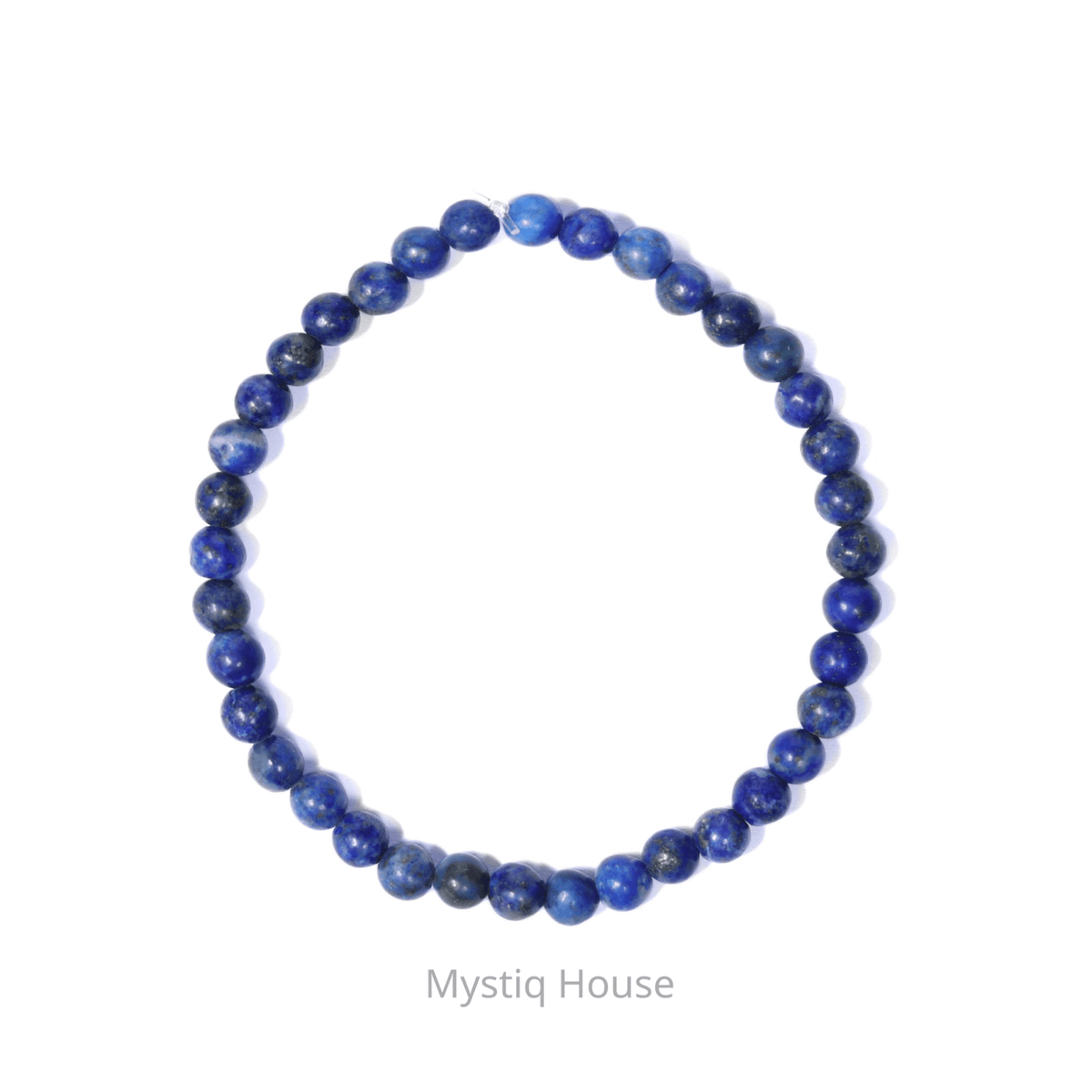
What Is Lapis Lazuli?
Lapis Lazuli is a blue metamorphic rock rather than a single mineral. It is primarily composed of lazurite, along with minerals such as calcite and pyrite. The presence and proportions of these minerals contribute to the stone's characteristic appearance.
High-quality Lapis Lazuli often displays an intense blue color with small golden-colored pyrite inclusions. White calcite patterns may also appear in some specimens, creating natural variations from one stone to another.
Lapis Lazuli Properties
Lapis Lazuli has been prized for its distinctive color and ornamental qualities. Its hardness generally ranges around 5 to 5.5 on the Mohs scale, so it should be handled with care to avoid scratches and damage.
Some common characteristics include:
- Rock type: Metamorphic rock
- Main mineral: Lazurite
- Typical color: Deep blue to violet-blue
- Hardness: Approximately 5–5.5 Mohs
- Appearance: Blue with possible white calcite and golden pyrite inclusions
- Luster: Vitreous to dull
- Transparency: Generally opaque
Lapis Lazuli Meaning and Symbolism
In traditional crystal practices, Lapis Lazuli is often associated with wisdom, self-expression, communication, and inner awareness. Crystal enthusiasts may choose it as a symbolic stone for reflection and personal growth.
These spiritual and metaphysical meanings come from traditional beliefs and are not scientifically proven properties of Lapis Lazuli.
Its deep blue color has also given the stone a long history of association with royalty, art, spirituality, and ceremonial objects.
Uses of Lapis Lazuli
Lapis Lazuli has been used in many different forms throughout history. Its rich color makes it particularly suitable for ornamental and artistic applications.
Common uses include:
- Jewelry
- Beaded bracelets
- Necklaces and pendants
- Cabochons
- Decorative objects
- Mineral collections
- Carvings
- Artistic and ornamental pieces
Ground Lapis Lazuli was also historically used as a source of the blue pigment known as ultramarine.
Lapis Lazuli in Jewelry
Lapis Lazuli is frequently crafted into beads, cabochons, pendants, earrings, bracelets, and necklaces. Its deep blue color can create an elegant appearance when combined with silver, gold, or other natural gemstones.
Because the stone is relatively soft compared with many jewelry gemstones, Lapis Lazuli jewelry should be protected from scratches, harsh chemicals, and strong impacts.
Lapis Lazuli for Crystal Collections
Collectors appreciate Lapis Lazuli for its deep blue color and natural combination of lazurite, calcite, and pyrite. Each specimen can have a different balance of blue areas, white markings, and golden flecks.
Polished Lapis Lazuli pieces can be displayed individually or combined with other crystals and minerals to create a visually interesting collection.
How to Care for Lapis Lazuli
Lapis Lazuli should be cleaned gently to preserve its surface and natural appearance. Use a soft, slightly damp cloth for routine cleaning and dry it afterward.
Avoid abrasive cleaners, harsh chemicals, ultrasonic cleaners, and prolonged exposure to unsuitable cleaning solutions. Store Lapis Lazuli separately from harder gemstones to reduce the risk of scratches.
Why Choose Lapis Lazuli?
Lapis Lazuli stands out for its rich blue color, golden pyrite details, and long history as an ornamental stone. Its distinctive appearance makes it suitable for jewelry, decorative pieces, mineral collections, and artistic applications.
Whether you appreciate gemstones for their natural beauty, historical significance, or traditional symbolism, Lapis Lazuli offers a unique combination of color, character, and heritage.



















Sign in to leave a comment.