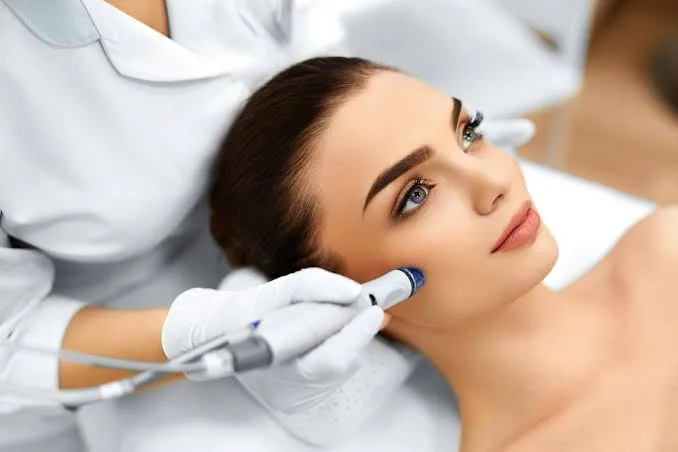

Achieving healthy, even-toned, and youthful skin is a primary goal for many individuals experiencing the natural effects of aging, sun exposure, and past breakouts. Over time, collagen production declines, ultraviolet radiation damages cellular structures, and previous inflammatory acne can leave behind persistent textural irregularities. Traditional topical creams and chemical exfoliants often address only the superficial stratum corneum, offering limited improvement for deeper structural concerns. Laser skin resurfacing provides an advanced clinical solution capable of remodeling tissue at both epidermal and dermal depths.
Understanding Laser Skin Resurfacing and How It Works
Laser skin resurfacing utilizes concentrated beams of thermal light energy to systematically improve tone, clarity, and structural firmness. The foundational mechanism behind this technology is selective photothermolysis, a process where specific wavelengths target chromophores in the skin, such as water or melanin, without damaging surrounding structures.
When directed at the treatment area, the laser creates micro-thermal treatment zones. This controlled micro-injury triggers the body’s innate wound-healing cascade. Fibroblasts are stimulated to synthesize fresh collagen and elastin fibers, while damaged outer layers naturally shed. As the healing process progresses, the newly generated dermal matrix restores elasticity, tightens skin laxity, and refines surface texture.
At Rania Aesthetic Studio, clinical consultations begin with a thorough examination of tissue integrity, skin phototype, and aesthetic goals to determine whether ablative, non-ablative, or fractional modalities will yield the safest and most effective outcome.
Core Concerns Addressed by Laser Resurfacing
Laser energy can be calibrated with high precision to target various depths and aesthetic issues. The three most common conditions treated by resurfacing technologies include:
- Hyperpigmentation and Age Spots: Solar lentigines, sun spots, and post-inflammatory hyperpigmentation stem from localized clusters of excess melanin. The focused laser energy breaks these pigment deposits into minute particles, allowing the lymphatic system to clear them away while resurfacing replaces the discolored surface with fresh cells.
- Fine Lines and Dynamic Wrinkles: Deep structural creases, crow’s feet, and perioral lines arise from cumulative collagen degradation. Fractionated thermal energy penetrates beneath the epidermis to stimulate long-term neocollagenesis, gradually plumping the tissue from within and softening wrinkle depth.
- Atrophic and Hypertrophic Scars: Acne scarring and surgical marks disrupt normal tissue architecture. Laser beams vaporize or remodel fibrotic scar tissue, encouraging organized collagen reorganization that levels out depressed depressions and smooths uneven surface contours.
Types of Laser Technologies: Ablative vs. Non-Ablative
Selecting the appropriate resurfacing approach depends on the severity of the skin concern, lifestyle factors, and acceptable recovery periods.
Ablative Resurfacing
Ablative lasers, primarily Carbon Dioxide (CO2) and Erbium:YAG systems, work by vaporizing the outermost layers of damaged epidermis while simultaneously heating the underlying dermis. This modality delivers significant, dramatic correction for severe acne scarring, deep wrinkles, and extensive photoaging in a single session. Because the surface barrier is removed, ablative treatments require dedicated healing time and comprehensive post-procedure wound care.
Non-Ablative Resurfacing
Non-ablative lasers leave the outer stratum corneum completely intact, directing thermal energy beneath the surface into the dermis. This gentle heating initiates long-term collagen remodeling without creating an open wound. While non-ablative protocols require multiple sessions spaced several weeks apart, they offer virtually zero downtime, minimal discomfort, and lower risks of post-inflammatory complications.
Fractional Systems
Fractional delivery can be applied to both ablative and non-ablative platforms. Instead of treating the entire surface area at once, fractional technology leaves microscopic columns of untreated tissue surrounding each treated micro-zone. These intact reserves accelerate cellular re-epithelialization, drastically reducing recovery timelines while maintaining high clinical efficacy. Patients seeking tailored laser treatment in Sugarland frequently benefit from modern fractional platforms due to their versatile safety profile across various Fitzpatrick skin classifications.
Clinical Safety, E-E-A-T Standards, and Treatment Candidacy
Skin resurfacing is an advanced medical-grade procedure that requires extensive anatomical knowledge and technical precision. An experienced practitioner must evaluate the patient’s complete medical background, recent retinoid use, history of keloid formation, and baseline Fitzpatrick classification.
Darker skin phototypes carry a higher risk of post-inflammatory hyperpigmentation or hypopigmentation if treated with improper energy wavelengths. Medical-grade settings must be customized using appropriate pulse durations and cooling mechanisms to protect epidermal integrity. A professional aesthetician or laser practitioner provides continuous supervision, ensuring that treatment parameters reflect evidence-based dermatological protocols.
Preparation and Comprehensive Post-Care Protocols
Achieving optimal outcomes and minimizing adverse events depends heavily on strict adherence to pre-treatment preparation and structured aftercare.
- Pre-Treatment Preparation: Patients must avoid direct, unprotected sun exposure, self-tanning products, and active exfoliants like glycolic acid or retinoids for two to three weeks prior to their appointment. Prophylactic antiviral regimens may be prescribed for individuals prone to herpes simplex flare-ups.
- Immediate Post-Care: Skin typically presents with erythema, mild edema, and a sensation comparable to a moderate sunburn. Cold compresses, soothing thermal waters, and occlusive healing ointments protect the developing skin barrier.
- Barrier Restoration: Gentle, non-comedogenic cleansers and hydrating ceramide-based moisturizers should be used exclusively during the initial recovery window. Picking or manually scrubbing flaking skin is strictly prohibited to prevent scarring.
- Broad-Spectrum Photoprotection: The regenerating epidermis is exceptionally susceptible to ultraviolet damage. Applying a broad-spectrum physical sunscreen containing zinc oxide or titanium dioxide with an SPF rating of 30 or higher daily is imperative to preserve clinical improvements and prevent secondary hyperpigmentation.




















Sign in to leave a comment.