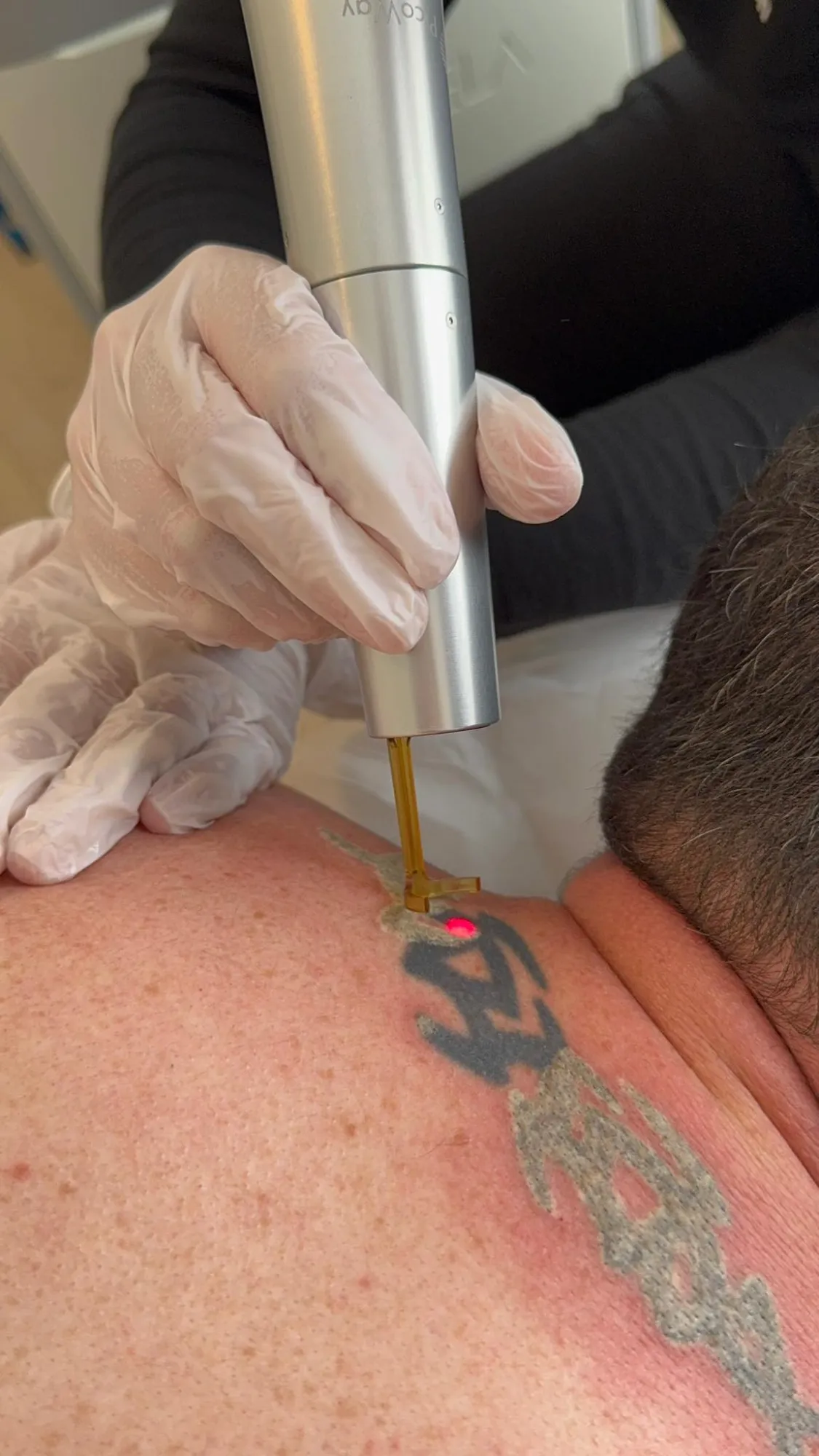

Getting a tattoo can feel like a great decision at one point in life and a completely different decision years later. Maybe your style has changed, the tattoo reminds you of a difficult chapter, or you simply want a clean canvas for a new design. Whatever the reason, modern laser treatment offers a practical way to significantly fade or remove unwanted ink.
If you are considering laser tattoo removal in Mississauga, understanding how the process works can make the experience much less intimidating. Laser removal is not an overnight solution, and there is no single treatment that works exactly the same way for everyone. The tattoo's size, colours, age, location, depth, and your skin's characteristics can all influence the outcome.
The good news is that today's technology gives professionals much more control than older tattoo-removal methods. Instead of removing large areas of skin, laser treatment is designed to target tattoo pigment while limiting unnecessary damage to the surrounding skin.
Why People Decide to Remove a Tattoo
Tattoo removal is a personal decision. There is no wrong reason to want unwanted ink gone.
Some people remove tattoos because their interests have changed. Others may want to erase a former partner's name, prepare for a cover-up, or simply reduce a tattoo that no longer fits their appearance.
There are also situations where a tattoo looked different from what someone expected. An amateur tattoo may have uneven lines, while an older professional tattoo may have become faded or blurry.
Whatever motivates the decision, having realistic expectations is important. Laser treatment can produce substantial fading and, in some cases, very significant clearance. However, complete removal cannot be guaranteed for every tattoo. The U.S. Food and Drug Administration notes that some tattoos may not be completely removable and that several treatments are commonly required.
How Laser Tattoo Removal Works
Think of tattoo ink as tiny pieces of coloured material sitting beneath the surface of your skin.
A laser delivers short bursts of concentrated light toward the tattoo pigment. The pigment absorbs the appropriate light energy, causing the ink particles to break into much smaller pieces. Your body's natural processes then gradually clear those smaller particles.
An easy comparison is crushing a large rock into gravel. The laser does not simply "wash away" the tattoo. Instead, it breaks the pigment into smaller pieces so your body can deal with them more effectively.
This is also why the laser is only part of the process. Your body needs time after each appointment to heal and gradually clear the treated pigment. The American Academy of Dermatology explains that the body's immune system helps remove the fragmented ink after laser treatment.
Why You Usually Need Multiple Sessions
One of the biggest misconceptions about tattoo removal is that one appointment should make the tattoo disappear.
In reality, tattoo ink is deposited at different depths in the skin, and a single laser session cannot safely eliminate all of it at once. Treating the area repeatedly allows the professional to work progressively while giving your skin and body time to recover between appointments.
The exact number of sessions varies considerably. A small, older black tattoo may respond differently from a large, colourful professional tattoo. Some tattoos require many treatments, and complete removal may not always be possible.
A responsible provider should therefore be cautious about promising a specific number of sessions before examining your tattoo.
Tattoo Colour Makes a Difference
Not every ink colour responds to laser treatment in exactly the same way.
Black and dark blue pigments are generally easier to target because they absorb laser energy effectively. Certain lighter colours, including yellow, green, and red, can be more challenging and may require different treatment approaches.
Multicoloured tattoos can be particularly complicated because different pigments respond to different wavelengths of laser light. In simple terms, one key may open one lock, but another lock may require a different key.
This is why choosing the appropriate laser and settings is an important part of professional tattoo removal.
Does Tattoo Removal Hurt?
Pain levels vary from person to person, but laser tattoo removal is not usually described as completely painless.
Many people compare the sensation to quick snaps against the skin, similar to the feeling of a small rubber band being flicked. Some clinics may use cooling or topical numbing methods to improve comfort.
The size of the tattoo, treatment area, individual sensitivity, and laser settings can all affect how the procedure feels.
It is worth discussing discomfort management during your consultation rather than assuming you simply have to tolerate it.
What Happens During a Treatment Appointment?
A typical appointment begins with an assessment of the tattoo and surrounding skin.
The practitioner may consider:
- Tattoo size
- Ink colours
- Tattoo age
- Skin type and tone
- Location
- Ink density
- Previous attempts at removal
- Whether the tattoo is professionally or manually applied
Protective eyewear is important during laser treatment because high-powered cosmetic lasers can pose serious eye hazards. Ontario's laser-safety guidance specifically identifies tattoo removal as a use of high-powered Class 4 lasers and emphasizes appropriate safety measures and protective equipment.
Once the treatment begins, the laser is passed over the tattoo in controlled pulses. The appointment may be relatively brief for a small tattoo, while larger designs can take longer.
After treatment, the area may look red or swollen and can feel tender. Temporary skin reactions can occur as part of the healing process.
What Should You Expect After Treatment?
Immediately after a session, the treated area may not look dramatically different. That does not necessarily mean the treatment failed.
The laser has started breaking down pigment, but your body needs time to process the smaller particles. The tattoo generally becomes lighter gradually rather than disappearing immediately.
Redness, swelling, soreness, and sometimes blistering can occur after treatment. The exact reaction depends on the individual and the treatment used.
Following the provider's aftercare instructions is therefore an important part of the overall process.
Avoid picking, scratching, or unnecessarily irritating the treated area. Keeping the area protected while it heals can help reduce avoidable complications.
Choosing a Tattoo Removal Provider in Mississauga
Finding a convenient clinic is useful, but convenience should not be the only consideration.
Laser equipment is powerful. Health Canada advises people considering cosmetic laser procedures to understand both the potential benefits and risks and to take steps to reduce those risks.
Before choosing a provider, consider asking:
1. Who performs the treatment?
Ask about the practitioner's training, experience, and qualifications. You should feel comfortable asking who will actually operate the equipment.
2. What type of laser is being used?
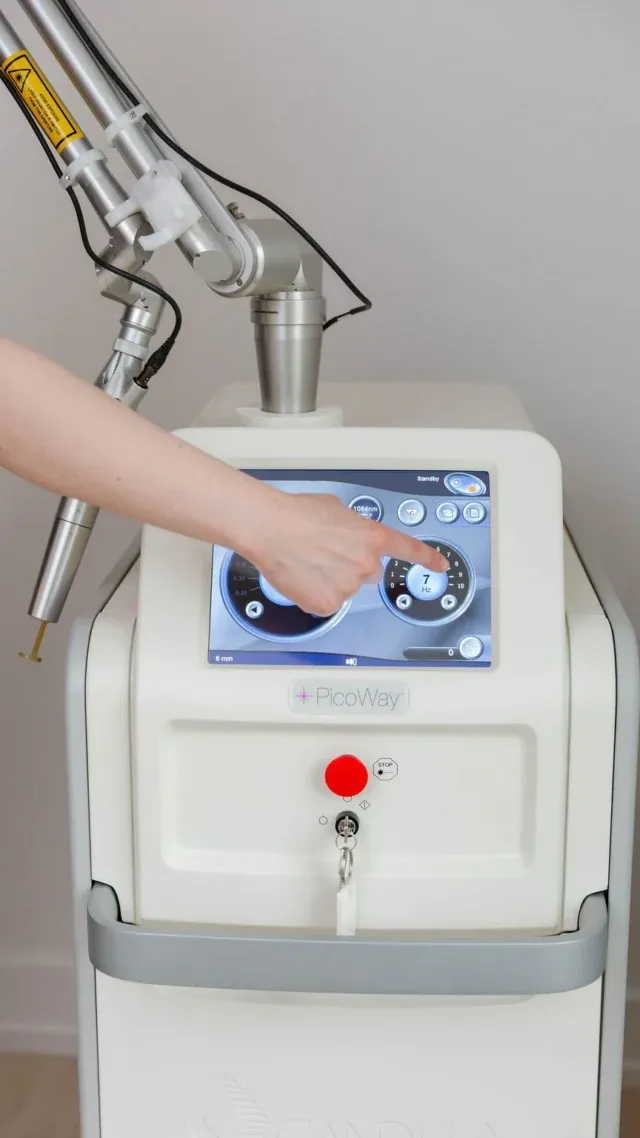
Different tattoo colours can require different approaches. A professional should be able to explain why a particular laser or wavelength is appropriate for your tattoo.
3. Will you receive a proper consultation?
A consultation gives the practitioner an opportunity to assess your tattoo rather than making assumptions from a photograph alone.
4. What results are realistic?
Be cautious about guarantees such as "100% removal in three sessions." Tattoo response varies, and reputable guidance recognizes that complete removal is not always achievable.
5. How is safety handled?
Ask about protective eyewear, skin assessment, hygiene, aftercare, and what you should do if an unexpected reaction occurs.
Your Skin Tone Matters Too
Laser tattoo removal is not a one-size-fits-all procedure.
The practitioner needs to consider your natural skin colour as well as the tattoo itself. Choosing unsuitable settings can increase the risk of unwanted skin changes.
Modern laser systems and treatment protocols have improved over time, but proper assessment remains important. Medical literature notes that laser selection, wavelength, and treatment settings all play roles in balancing tattoo clearance with protection of the surrounding skin.
This is another reason why experience matters. The strongest setting is not automatically the best setting. Effective treatment is about finding an appropriate balance.
What About Scarring and Skin Changes?
Laser tattoo removal can be effective, but it is still a procedure with potential risks.
Possible complications include temporary redness, soreness, swelling, changes in skin colour, infection, and scarring.
The goal of modern laser treatment is to target the pigment while minimizing injury to the surrounding skin. Nevertheless, individual healing varies.
People with a history of unusual scarring, certain skin conditions, or other relevant concerns should discuss these factors with an appropriately qualified healthcare professional before treatment.
Why DIY Tattoo Removal Is a Bad Idea
Online searches can produce creams, chemical products, home devices, and other supposed shortcuts for removing tattoos.
Be particularly careful with products that promise to erase a tattoo without professional treatment.
The FDA states that tattoo-removal creams and do-it-yourself kits are not approved for tattoo removal and may cause problems such as rashes, burns, or scars. These products generally cannot reach the deeper tattoo pigment where it is located.
Trying to aggressively scrape, burn, peel, or chemically damage the skin can create a bigger problem than the tattoo itself.
Professional assessment is a much more sensible approach.
Preparing for Your Tattoo Removal Journey
A little preparation can make the process easier.
Start by having realistic expectations. Think of tattoo removal as a gradual journey rather than a quick eraser.
During your consultation, provide accurate information about the tattoo. If you know when it was applied, whether it has previously been treated, or whether it contains unusual pigments, tell the practitioner.
Follow all pre-treatment and post-treatment instructions you receive.
Most importantly, avoid judging the success of the process too quickly. A tattoo may continue changing in appearance between sessions as your body processes the fragmented pigment.
What Can Affect Your Results?
Several factors can influence how quickly a tattoo fades.
Tattoo colour: Some pigments are easier to treat than others.
Tattoo age: Older tattoos may already have experienced some natural fading.
Ink density: A heavily saturated tattoo can require more work than a lightly applied design.
Tattoo depth: Ink placed deeper in the skin may respond differently from more superficial pigment.
Location: Blood flow and other characteristics of different body areas can influence healing and pigment clearance.
Skin characteristics: Your skin tone and individual healing response matter.
Previous treatment: A tattoo that has already undergone removal attempts may behave differently from untouched ink.
This combination makes it difficult to give every person the same treatment schedule.
Why Patience Is Part of the Process
It is natural to want immediate results, especially if you strongly dislike the tattoo.
However, rushing treatment is not necessarily the best approach. Your skin needs time to recover, and your body needs time to clear the fragmented pigment.
Think of it like cleaning a room one section at a time. Trying to do everything simultaneously may not produce the safest or most effective result.
Spacing treatments appropriately allows the process to happen gradually. The American Academy of Dermatology emphasizes that time between treatments is needed for the skin to heal and for the body to remove fragmented ink.
Making an Informed Choice
If you are researching tattoo removal providers in Mississauga, compare more than advertised prices.
A low-cost treatment may not be a bargain if safety, equipment, experience, or aftercare are lacking. Instead, look for clear information about the technology being used, realistic expectations, practitioner experience, safety procedures, and consultation practices.
A provider such as Erase My Ink can be part of your research when comparing local tattoo-removal options, but you should still evaluate any provider based on your individual tattoo and the quality of the consultation.
The right clinic should be willing to explain the process in straightforward language and answer questions rather than pushing you toward a treatment package.
Frequently Asked Questions
How many laser sessions will I need?
There is no universal number. Tattoo colour, size, depth, ink density, location, skin characteristics, and previous treatments can all affect the number of sessions required. Some tattoos need numerous treatments, while complete removal may not be possible.
Can every tattoo be completely removed?
No. Significant fading may be achievable, but complete removal cannot be guaranteed. Some pigments are particularly difficult to treat, and individual results vary.
Is laser tattoo removal safe?
When performed appropriately by trained professionals using suitable equipment and safety procedures, laser tattoo removal can be performed safely. However, it carries potential risks, including skin colour changes, infection, scarring, redness, and soreness.
Can coloured tattoos be removed?
Many coloured tattoos can be treated, but results depend heavily on the pigments involved. Different colours can respond differently to laser wavelengths, so a multicoloured tattoo may require a more customized approach.
Can I remove a tattoo at home?
DIY creams and tattoo-removal kits are not a reliable substitute for professional laser treatment. The FDA does not approve tattoo-removal creams or DIY kits, and some can cause burns, rashes, or scars.
Conclusion
Choosing to remove a tattoo does not mean you made a bad decision when you originally got it. People change, priorities change, and sometimes an old design simply no longer belongs in the next chapter of life.
Modern laser technology has made tattoo fading and removal more practical than many people realize. The treatment works by breaking tattoo pigment into smaller particles, after which the body gradually clears them. Because this process takes time, multiple sessions are often necessary, and results vary from one tattoo to another.
If you are exploring tattoo removal in Mississauga, start with a professional consultation rather than choosing a treatment based solely on price or a promise of instant results. Ask questions, understand the risks, learn what technology will be used, and make sure the expected outcome is realistic.
With patience, appropriate treatment, and responsible aftercare, unwanted ink can become progressively less noticeable—and for many people, that gradual change can be the beginning of a fresh start.




























Sign in to leave a comment.