

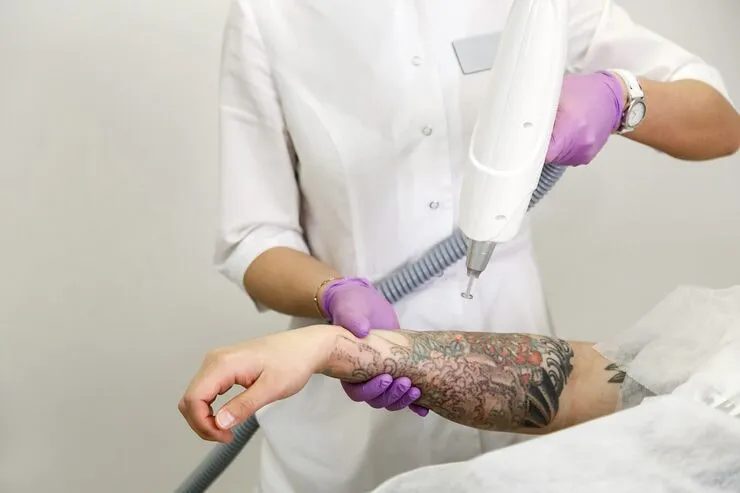
Tattoos can represent personal memories, artistic choices, or important moments, but preferences can change over time. Some people may eventually want to reduce the visibility of an unwanted tattoo without undergoing surgical removal. laser tattoo removal nottingham can be considered by individuals looking for a professional approach to gradually fading tattoo ink. Modern laser technology works by targeting ink particles within the skin, breaking them into smaller fragments that the body can gradually clear. Results vary according to tattoo characteristics, skin type, ink colour, and individual response, making assessment important before treatment.
Understanding Laser Tattoo Removal
Laser tattoo removal is a non-surgical treatment that uses concentrated light energy to target tattoo pigments within the skin. The laser energy breaks the ink into smaller particles, after which the body's natural processes gradually clear those fragments. Because tattoo ink can be deposited at different depths and layers, complete fading usually cannot be achieved safely in one appointment. The American Academy of Dermatology explains that multiple sessions are generally necessary because the skin needs time to recover and the body needs time to remove fragmented ink.
How The Laser Targets Ink
During treatment, the laser delivers controlled energy toward the tattoo pigment. Different colours absorb laser energy differently, meaning the type and colour of ink can influence how well a tattoo responds. Black and some darker colours may respond more readily, while brighter colours can require different approaches or additional sessions. Professional tattoos may also be more difficult to remove because ink can be placed deeper within the skin. A qualified practitioner can assess these characteristics and explain the likely treatment approach before the first session.
Why Multiple Treatment Sessions May Be Needed
Tattoo removal generally takes place over a series of appointments rather than during one treatment. The laser can break down only a portion of the ink safely during each session, while the body requires time to clear the fragmented particles. NHS information indicates that professional tattoos can sometimes require numerous sessions, with treatment intervals allowing the skin to recover. The exact number cannot be predicted accurately for every person because tattoo size, colour, depth, location, age, and individual healing response can all affect progress.
Allowing Time Between Treatments
Spacing appointments is an important part of the tattoo removal process. Immediately after treatment, the skin may show temporary redness, swelling, or blistering as it responds to the laser energy. The body also needs time to process and clear the fragmented tattoo pigment. Rushing treatments may not provide the skin with enough opportunity to recover. The practitioner can assess the treated area between sessions and determine when another appointment may be appropriate. Following the recommended treatment schedule can therefore support safer and more controlled progress throughout the removal process.
Factors That Affect Tattoo Removal
Several characteristics can influence how quickly a tattoo fades. These include the tattoo's age, size, location, ink colours, depth, density, and whether it was professionally or personally applied. Individual skin characteristics can also influence treatment planning and recovery. Professional tattoos may contain several layers of ink, while some amateur tattoos can respond differently. Certain colours may be more resistant to laser energy than others. Because of these differences, a practitioner should assess each tattoo individually instead of promising a fixed number of treatments or a guaranteed outcome.
Tattoo Colour And Ink Type
Ink colour is one of the important factors considered during laser tattoo removal. Black and red pigments may respond relatively well to appropriate laser treatment, while colours such as green, yellow, and purple can sometimes require more treatments because they respond differently to laser energy. Some pigments may also respond unpredictably depending on their composition. This means a multicoloured tattoo may require a more complicated treatment plan than a simple black design. A consultation allows the practitioner to examine the tattoo and discuss how its particular colours may affect the expected fading process.
What Happens During A Treatment
Before treatment begins, the tattoo and surrounding skin should be assessed carefully. The practitioner may discuss the tattoo's history, previous treatments, skin characteristics, and any relevant medical information. During the procedure, controlled laser pulses are directed at the tattooed area. The sensation can vary and may feel uncomfortable or painful for some individuals. Depending on the treatment approach, a numbing cream or another method may be used to improve comfort. The practitioner should explain the expected sensation, treatment process, and immediate aftercare before beginning the procedure.
Managing Treatment Discomfort
Laser tattoo removal can produce a noticeable sensation because concentrated energy is being delivered into the tattooed skin. People may describe the feeling differently depending on the tattoo location, size, laser settings, and personal sensitivity. Some treatment approaches use topical or local numbing methods to make the procedure more comfortable. Discussing pain management before treatment can help individuals understand the available options. The practitioner should also explain what temporary reactions may occur afterward, allowing the individual to distinguish expected recovery effects from symptoms that may require professional advice.
Recovery After Laser Tattoo Removal
The skin can appear red or swollen after laser tattoo removal, and some people may experience blistering or other temporary reactions. These effects reflect the skin's response to the treatment and can vary according to treatment intensity and individual characteristics. The treated area needs time to recover between appointments. Appropriate aftercare can help support healing and reduce avoidable irritation. The practitioner should provide specific instructions about cleaning, protecting, and caring for the treated area. If unexpected or worsening symptoms develop, professional advice should be sought rather than attempting to manage serious reactions without guidance.
Protecting Treated Skin
Protecting the treated area from sunlight is an important part of aftercare. The American Academy of Dermatology recommends protecting treated skin from the sun following laser tattoo removal because sunlight can contribute to unwanted skin reactions and pigment changes. Individuals should follow the practitioner's specific instructions about covering the area and using suitable sun protection. Additional skincare products should only be used according to professional advice, particularly while the skin remains sensitive. Careful aftercare can support recovery and help reduce the chance of avoidable complications during the tattoo fading process.
Possible Skin Reactions
Laser tattoo removal can cause temporary skin reactions, including redness, swelling, blistering, and changes in pigmentation. Some individuals may develop lighter or darker areas around the treated tattoo. According to the American Academy of Dermatology, these pigment changes often improve over time, although recovery can vary. More serious reactions such as burns, scarring, and changes in skin texture are possible, particularly when treatment is not performed appropriately. Understanding these potential effects is important before treatment, especially for individuals with previous scarring or particular skin sensitivities.
Pigment Changes And Skin Tone
Skin tone should be considered carefully when planning laser tattoo removal because the laser can interact with natural skin pigment as well as tattoo ink. People with darker skin may have a greater risk of unwanted pigment changes following some laser procedures. Appropriate equipment, settings, and professional assessment can therefore be particularly important. A practitioner should examine the tattoo and surrounding skin before treatment and discuss possible risks. Individuals can also ask how the proposed treatment has been adapted for their skin type and whether a test area may be appropriate before proceeding.
Choosing A Qualified Practitioner
Choosing an appropriately trained practitioner is an important part of responsible laser tattoo removal. NHS guidance recommends checking the qualifications and training of the person performing a cosmetic procedure and ensuring that individuals receive sufficient information about possible risks, recovery, and expected outcomes. The American Academy of Dermatology also highlights the importance of professional medical knowledge when performing laser tattoo removal because treatment decisions depend on factors such as skin health, tattoo characteristics, and medical history. Individuals should therefore consider experience and treatment standards rather than relying solely on promotional offers.
Questions To Ask Before Treatment
A consultation gives individuals an opportunity to ask practical questions before deciding whether to proceed. Useful questions can cover the type of laser being used, the practitioner's training and experience, expected treatment intervals, possible side effects, recovery requirements, and the likely degree of fading. Individuals can also ask whether complete removal is realistic for their particular tattoo. NHS guidance recommends discussing potential complications, recovery, and expected results before cosmetic procedures. Having this information in advance can help create realistic expectations and provide a clearer understanding of the treatment process.
Understanding Complete Tattoo Removal
Laser treatment can significantly fade many tattoos, but complete removal cannot be guaranteed. Some pigment may remain because of the colour, depth, composition, or location of the tattoo. The American Academy of Dermatology explains that different ink colours can require different lasers or treatment approaches and that some ink may remain visible after treatment. Individuals should therefore consider whether their goal is complete removal, substantial fading, or lightening the tattoo sufficiently for a future cover-up. Discussing the desired outcome during consultation can help establish a more realistic treatment plan.
Fading For A Cover Up
Some individuals do not want complete tattoo removal and instead want an existing design lightened before having another tattoo placed over it. Laser fading can sometimes be considered for this purpose, depending on the original tattoo and the planned cover-up design. The required amount of fading varies because darker or denser ink may need additional treatment. Anyone considering a cover-up should discuss both objectives with appropriate professionals so the removal schedule does not interfere with future tattoo work. The timing between laser treatment and further tattooing should allow the skin to recover fully.
Avoiding DIY Tattoo Removal
Home tattoo removal creams, acids, scraping, and other do-it-yourself methods can create significant skin risks. The American Academy of Dermatology warns against tattoo removal products and methods that can cause burns, rashes, infections, or permanent scarring without reliably removing the tattoo. Professional laser treatment uses controlled equipment and a planned approach rather than deliberately damaging the skin's surface. Individuals who want an unwanted tattoo reduced should therefore avoid experimenting with unverified removal techniques. A professional assessment provides a safer opportunity to understand suitable options and the likely limitations of treatment.
Why Professional Assessment Matters
A professional assessment can identify factors that may affect treatment safety and results. These can include the tattoo's colours, depth, location, age, previous laser treatments, and the condition of the surrounding skin. The American Academy of Dermatology also recommends considering health history and medicines when assessing suitability for tattoo removal. Existing moles or unusual skin changes around a tattoo may require additional attention before laser treatment. A thorough consultation therefore does more than estimate the number of sessions. It helps determine whether the proposed treatment is appropriate for the individual and tattoo.
Setting Realistic Expectations
Laser tattoo removal is a gradual process, and individuals should expect the tattoo to fade progressively rather than disappear immediately. The body needs time to clear the ink particles broken down by the laser, while the skin requires recovery between treatments. Some tattoos respond more readily than others, and complete removal may not always be possible. Maintaining realistic expectations can make the treatment journey easier to understand. Progress photographs and professional assessments between sessions may help demonstrate changes that can be difficult to notice when viewing the tattoo every day.
Long Term Considerations
Tattoo removal can involve multiple appointments over an extended period, particularly when a tattoo is large, professionally applied, multicoloured, or deeply pigmented. Individuals should consider the time required for treatment and recovery before beginning. They should also understand that skin may temporarily change in appearance after each session. The overall objective may be gradual fading rather than immediate clearance. By understanding these factors beforehand, individuals can make informed decisions about whether laser treatment fits their personal goals, expectations, and schedule without relying on unrealistic promises about rapid removal.
Conclusion
Laser tattoo removal can provide a professional option for gradually fading unwanted tattoo ink through controlled laser treatment. The process generally requires multiple sessions because the laser breaks ink into smaller particles while the body gradually clears them between appointments. Tattoo colour, depth, size, location, skin characteristics, and individual response can all influence the outcome, and complete removal cannot always be guaranteed. Individuals considering laser tattoo removal nottingham can discuss their tattoo, expected results, treatment schedule, recovery, and potential risks with a qualified practitioner. Este Medical Group Nottingham can provide an opportunity to explore personalised tattoo removal options through an individual consultation.




























Sign in to leave a comment.