

LASIK is a commonly performed laser vision correction procedure that can reduce dependence on glasses or contact lenses. Although the procedure itself is usually quick, the eyes still need time to heal. Knowing what to expect during the first few weeks can help patients return to work, driving, makeup, exercise, and other daily activities more safely.
Recovery timelines vary from person to person, so your eye surgeon's instructions should always take priority.
First 24 Hours: Protect Your Eyes
Immediately after LASIK, vision may be blurry or fluctuate. Some patients experience watering, mild irritation, light sensitivity, or a gritty sensation.
You should arrange transportation home rather than planning to drive yourself after the procedure. Avoid rubbing or pressing your eyes, and use prescribed eye drops exactly as instructed.
Your surgeon may recommend resting and limiting screen use during the initial recovery period.
Week 1: Be Careful With Driving and Makeup
Vision can improve quickly during the first few days, but that does not automatically mean you are ready to drive. Driving should resume only when your vision is sufficiently clear and your eye specialist has confirmed that it is safe.
Work may be possible within a short period for many people, especially if the job does not involve physical strain or dusty environments. However, screen-related dryness or eye fatigue can occur.
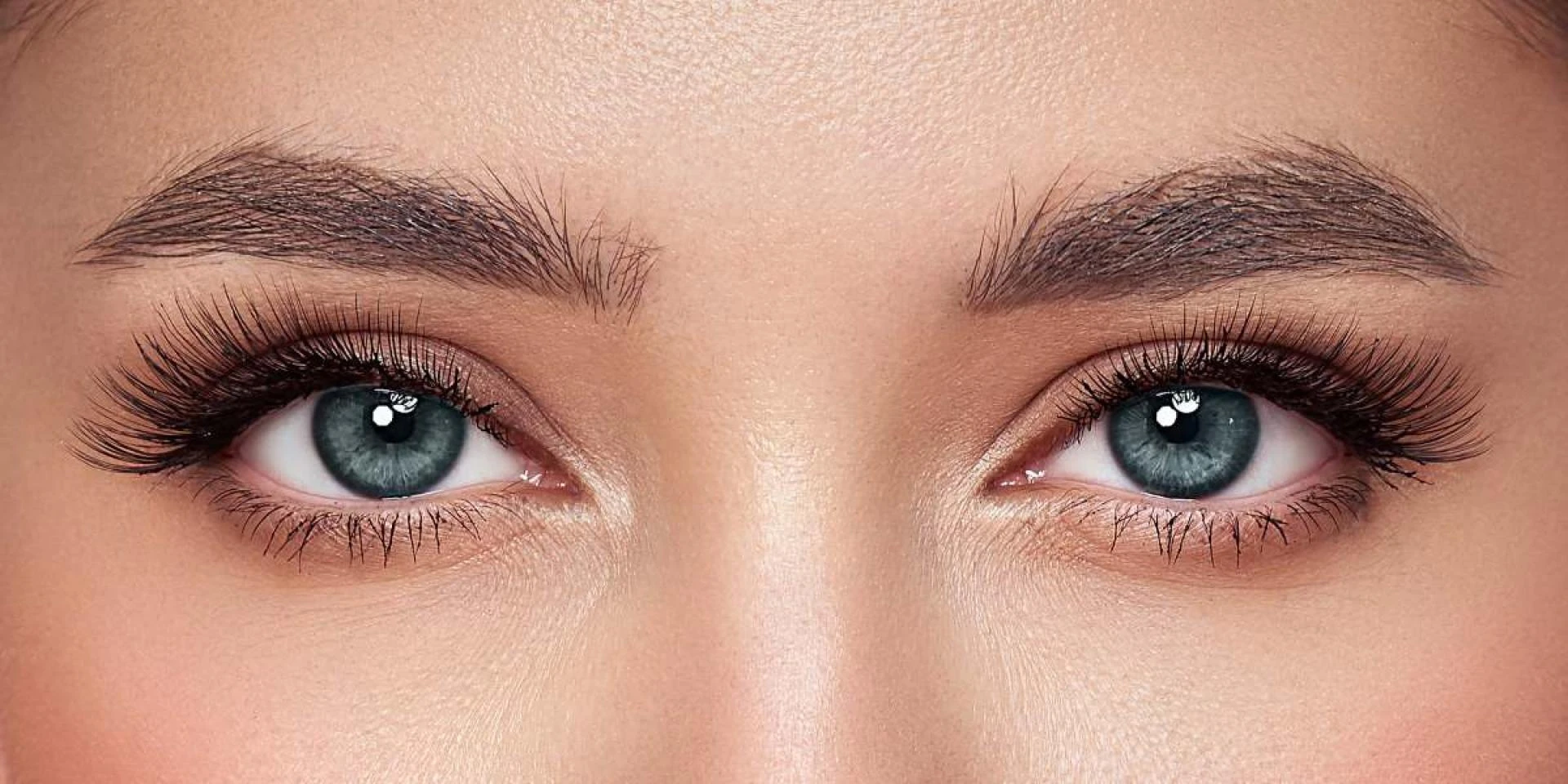
Makeup requires extra caution. Avoid applying eyeliner, mascara, or other products close to the eyes until your surgeon says it is safe. Cosmetics can introduce particles or bacteria around healing eyes.
Week 2: Gradually Return to Normal Activities
By the second week, many patients are able to resume more routine activities, depending on their recovery. You may be able to spend more time working on a computer, but regular breaks and adequate lubrication may help reduce discomfort.
Continue avoiding activities that could expose your eyes to dust, water contamination, or accidental impact unless your doctor has cleared them.
If you experience persistent pain, worsening redness, significant vision changes, or other unusual symptoms, contact your eye-care provider promptly.
Weeks 3–4: Monitor Vision Stability
During weeks three and four, vision may continue to stabilise. Some patients may notice occasional dryness, glare, halos, or fluctuations in visual clarity.
Driving at night should be approached carefully if you are experiencing glare or halos. Discuss these symptoms with your surgeon before returning to challenging driving conditions.
You can generally start returning to your usual beauty and lifestyle routines according to your doctor's advice, but eye hygiene remains important.
What About Exercise and Swimming?
The timing for exercise, swimming, and contact sports varies according to the procedure and individual recovery. Activities involving sweat, contaminated water, or a risk of eye impact may need to be restricted for a period.
Do not assume that feeling comfortable means the eyes have completely healed. Follow the specific restrictions provided by your surgeon.
Health Insurance and LASIK Expenses
Health Insurance coverage for LASIK varies significantly between policies. Since refractive eye procedures may be excluded from many plans, patients should check their policy before scheduling treatment.
If any related diagnostic tests, medically necessary treatment, or complications are potentially covered, confirm eligibility, exclusions, limits, and documentation requirements with your insurer. Do not assume that the full LASIK package will be reimbursed.
Conclusion
LASIK recovery can progress quickly, but returning to driving, work, makeup, exercise, and other activities should be based on your individual healing rather than a fixed calendar. Follow your surgeon's instructions, attend scheduled follow-ups, and report unusual symptoms promptly. Understanding your Health Insurance coverage before treatment can also help you plan for eligible expenses and possible out-of-pocket costs.























Sign in to leave a comment.