Layered Garden Design: How to Combine Trees, Shrubs and Ground Covers

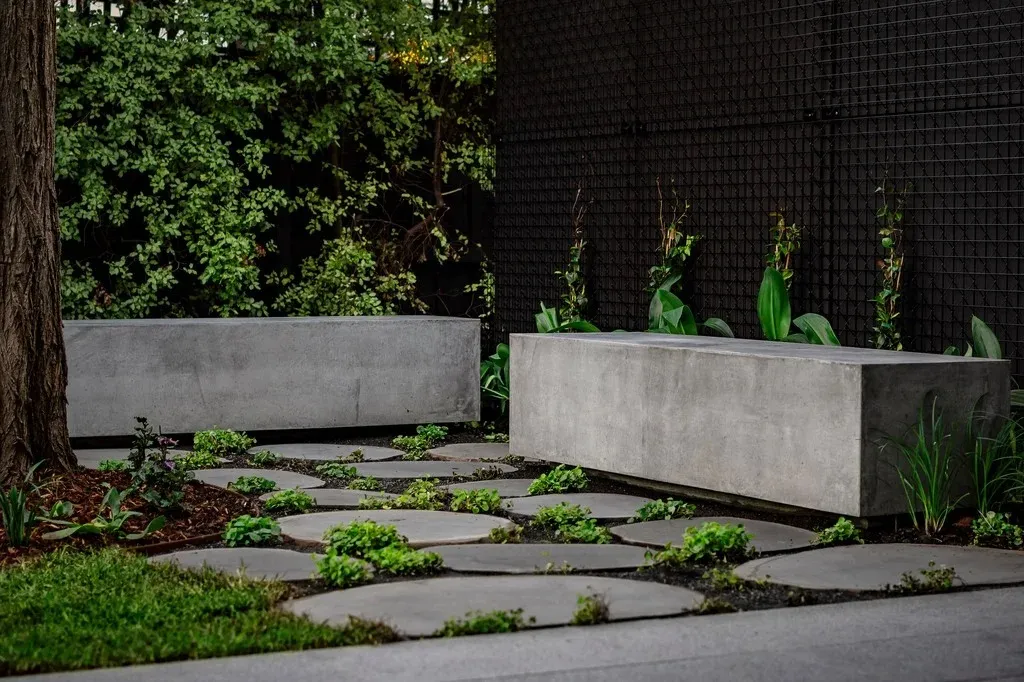
A beautiful garden is more than a collection of plants; it is a thoughtfully designed space where every element works together to create harmony, depth, and visual interest. Layered garden design is an effective landscaping approach that combines trees, shrubs, and ground covers to create a lush, balanced, and natural-looking outdoor environment. Whether you have a spacious backyard or a compact garden, layering plants can transform your outdoor space into a welcoming green retreat.
What Is Layered Garden Design?
Layered garden design involves arranging plants at different heights to create a sense of depth and structure. Instead of planting everything at the same level, this method uses tall trees as the background, medium-height shrubs in the middle, and low-growing ground covers at the front. The result is a garden that looks fuller, more organized, and visually appealing throughout the year.
When planned carefully, layered planting also improves privacy, supports local wildlife, and makes better use of available garden space.
1. Start with Trees for Height and Structure
Trees form the uppermost layer of a garden and provide the foundation for the entire design. They create vertical interest, offer shade, and establish a natural framework for the surrounding plants.
Choose trees according to your garden's size, soil conditions, and climate. Small ornamental trees work well in compact gardens, while larger shade trees can become striking focal points in spacious landscapes. Consider flowering trees for seasonal colour or evergreen varieties for year-round greenery.
Before planting, evaluate the mature height and spread of each tree. Proper spacing ensures healthy growth and prevents the upper canopy from blocking too much sunlight from the lower layers.
2. Add Shrubs for Colour, Texture and Privacy
Shrubs form the middle layer, connecting the height of trees with the lower ground-cover plants. They introduce variety through foliage, flowers, shapes, and seasonal colours.
Evergreen shrubs provide consistent structure, while flowering varieties add vibrant seasonal interest. You can also combine shrubs of different sizes and textures to create a more natural appearance.
Arrange taller shrubs behind shorter varieties, keeping their mature sizes in mind. Repeating selected plants throughout the garden creates visual continuity, while contrasting leaf shapes and flower colours add character.
3. Use Ground Covers to Complete the Design
Ground covers form the lowest layer, filling empty spaces between shrubs, pathways, and garden borders. They soften hard edges, reduce exposed soil, and can help suppress weeds once established.
Depending on your climate and growing conditions, options may include creeping thyme, mondo grass, liriope, or suitable native spreading plants. Select varieties based on sunlight, moisture requirements, and maintenance needs.
Plant ground covers at appropriate spacing so they can spread without overcrowding neighbouring plants. In shaded areas, choose shade-tolerant species; in sunny locations, opt for plants that can withstand direct sunlight.
4. Balance Plants for a Healthy Garden
Successful layering depends on more than appearance. Trees, shrubs, and ground covers must have compatible light, water, and soil requirements. Avoid placing sun-loving plants beneath dense tree canopies, and consider how roots compete for moisture and nutrients.
Combine evergreen plants with seasonal flowering varieties to maintain interest throughout the year. Mulching, appropriate watering, pruning, and occasional soil improvement will help keep every layer healthy.
Why Hire a Professional Garden Designer?
Creating a balanced layered garden requires knowledge of plant selection, spacing, soil conditions, drainage, and long-term growth. A professional garden designer can assess your outdoor space, understand your preferences, and develop a planting plan that suits your budget and lifestyle.
From selecting complementary plants to creating a practical maintenance strategy, an experienced designer helps you avoid costly planting mistakes and achieve a cohesive landscape.
Transform Your Outdoor Space with Expert Garden Design
Layered garden design brings together the beauty of trees, the versatility of shrubs, and the practicality of ground covers to create a garden with lasting appeal. With thoughtful planning, the right plant combinations, and proper care, even an ordinary outdoor area can become a vibrant green sanctuary.
Ready to create your dream garden? Hire a professional garden designer to develop a personalised landscape that balances beauty, functionality, and sustainability. With expert guidance, your garden can grow into a beautiful, well-structured space that you will enjoy for years to come.




Sign in to leave a comment.