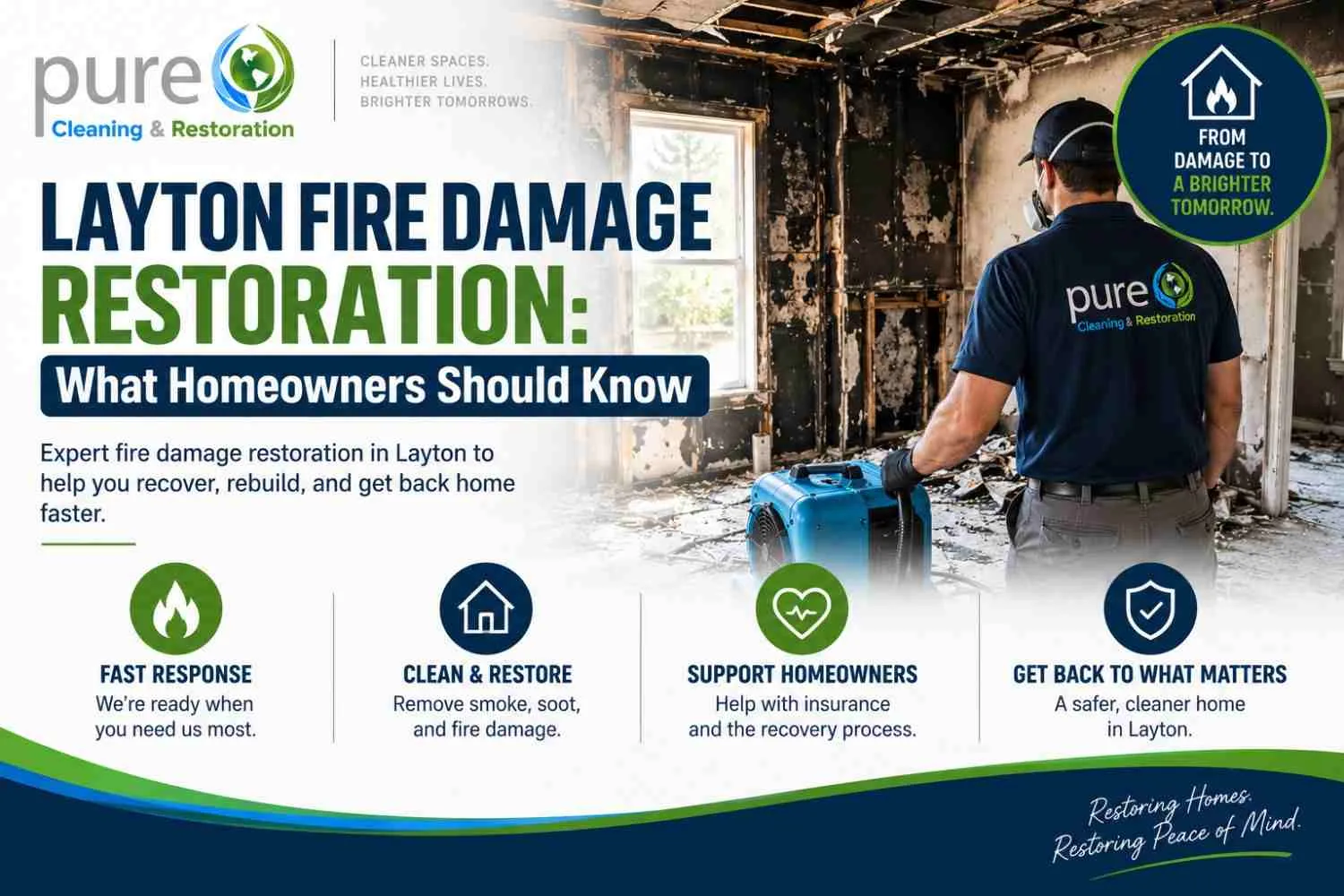

A house fire can happen when you least expect it. One minute, everything may seem normal, and the next, your home can be filled with smoke, water, and damaged belongings. Even a small fire can leave behind problems that are not always easy to see.
After the fire is out and everyone is safe, homeowners often wonder what they should do next. Cleaning up after a fire is more than removing burned materials. Smoke, soot, water, and strong odors can continue causing problems if they are not handled properly.
Understanding the basic steps of fire damage restoration can help homeowners make better decisions during a stressful time.
What Happens to a Home After a Fire?
Fire damage is not limited to the areas that were directly burned. Smoke and soot can travel through different parts of a house and settle on walls, ceilings, furniture, flooring, and personal belongings.
Water used to put out the fire can create another problem. Wet carpets, walls, furniture, and other materials may develop additional damage if they are left damp for too long.
There can also be a strong smoke smell throughout the property. Opening windows may provide temporary relief, but smoke odors can remain trapped in fabrics, carpets, furniture, and other porous materials.
This is why fire recovery usually requires more than basic cleaning.
What Should You Do Immediately After a Fire?
The first priority after any fire is safety. Do not enter the property until the appropriate authorities or professionals say it is safe to do so.
Once you are allowed to return, avoid touching damaged areas unnecessarily. Broken materials, unstable structures, soot, and water-damaged surfaces can create additional hazards.
Take photographs and videos of the damage for your records and insurance claim. It is also helpful to make a list of damaged belongings.
If there is standing water or extensive smoke damage, contacting a professional restoration company early can help prevent the situation from becoming worse.
Why Is Smoke Damage So Difficult to Clean?
Smoke can travel far beyond the area where the fire actually occurred. Tiny smoke particles can settle on surfaces and leave behind discoloration and odors.
Different types of smoke can also affect materials differently. Some surfaces may be cleaned relatively easily, while others may require specialized treatment.
For example, smoke odors can become trapped in upholstery, curtains, mattresses, carpets, and other fabrics. Simply spraying an air freshener may cover the smell for a short time, but it does not remove the source.
Professional cleaning methods can help identify affected materials and determine the most suitable way to clean or deodorize them.
The Importance of Water Removal
Fire damage and water damage often go together because firefighters use large amounts of water to control a fire.
After the fire has been extinguished, standing water should be addressed as soon as possible. Moisture can move into carpets, flooring, drywall, furniture, and other materials.
If wet materials remain damp for an extended period, additional problems can develop.
Restoration professionals can inspect the affected areas, remove standing water where necessary, and use drying equipment to reduce moisture. Proper drying is an important part of getting the property ready for repairs.
How Fire Damage Restoration Works
Every fire is different, so the restoration process depends on the condition of the property. However, the general process often includes several important steps.
1. Property Inspection
The restoration team first assesses the home to understand the extent of the fire, smoke, soot, and water damage.
2. Damage Assessment
Affected rooms, surfaces, furniture, and belongings are identified. This helps determine which materials can be cleaned or restored and which may need replacement.
3. Water Removal and Drying
If water was used during firefighting, standing water and excess moisture are addressed before further damage occurs.
4. Smoke and Soot Cleaning
Surfaces affected by smoke and soot are carefully cleaned using appropriate methods and products.
5. Odor Treatment
Persistent smoke odors may require specialized deodorizing techniques, especially when smells have entered porous materials.
6. Repairs and Restoration
Once cleaning and drying are completed, damaged areas can move into the repair or rebuilding stage.
Choosing Fire Damage Restoration in Layton
When looking for Layton fire damage restoration, homeowners should focus on experience, communication, and the company's approach to restoration rather than simply choosing the cheapest option.
Ask how the company handles smoke, soot, water damage, and odor removal. It is also reasonable to ask what happens to belongings that may be salvageable.
A good restoration company should explain the process clearly and help you understand what needs immediate attention.
Because fire damage can affect several parts of a home at once, choosing a company that can handle the different stages of restoration can make the recovery process easier.
Restoration Services Beyond Layton
Fire damage is not limited to one city. Homeowners in nearby communities may also need professional help after a fire.
For example, homeowners searching for Davis County fire damage restoration may need help dealing with smoke, soot, water damage, and damaged belongings after a fire.
Regardless of location, the goal is the same: make the property safe, reduce further damage, restore what can be saved, and help return the property to a comfortable and usable condition.
Can Personal Belongings Be Saved?
Not everything damaged by fire needs to be thrown away.
Some furniture, clothing, documents, and other belongings may be salvageable depending on the amount of heat, smoke, soot, and water exposure.
Restoration professionals can assess individual items and determine whether cleaning or specialized restoration may be possible.
This can be especially valuable for sentimental belongings that cannot simply be replaced.
How to Prevent Further Damage
After a fire, acting quickly can make a difference. Do not attempt major repairs without professional guidance, especially if the structure has been affected.
Keep damaged areas protected when possible and avoid using electrical systems that may have been exposed to water or fire until they have been inspected.
Also, do not aggressively scrub soot from walls or furniture. Incorrect cleaning methods can sometimes push soot deeper into materials or cause additional damage.
A professional assessment can help you understand what should be cleaned, dried, repaired, or replaced.
Frequently Asked Questions
How soon should fire damage restoration begin?
It is generally best to begin the assessment and restoration process as soon as the property is considered safe. Quick action can help limit additional smoke, soot, and water-related damage.
Does fire damage restoration include smoke odor removal?
Yes, smoke odor treatment is commonly part of fire restoration. The appropriate method depends on where the odor has settled and which materials are affected.
Can water damage from firefighting also be restored?
Yes. Water removal and structural drying can be part of the restoration process when firefighting leaves behind excess moisture.
Can smoke-damaged furniture be saved?
Sometimes. The possibility depends on the type and extent of damage. Some furniture and belongings can be cleaned and restored rather than replaced.
Should I clean fire damage myself?
Small surface cleaning may seem simple, but fire damage can involve soot, smoke particles, structural concerns, and water damage. Professional assessment is recommended for significant damage.
Conclusion
A home fire can be overwhelming, but knowing what happens during fire damage restoration can make the recovery process easier to understand. The goal is not simply to clean what looks damaged. A complete restoration process considers smoke, soot, water, odors, structural concerns, and personal belongings.
Homeowners in Layton and surrounding areas should look for experienced professionals who can explain the restoration process clearly and respond to the property's specific needs.
With the right approach, many fire-damaged homes can be cleaned, repaired, and restored. Companies such as Pure Cleaning and Restoration can help property owners understand their restoration options and take the next steps toward getting their home back to normal.





















Sign in to leave a comment.