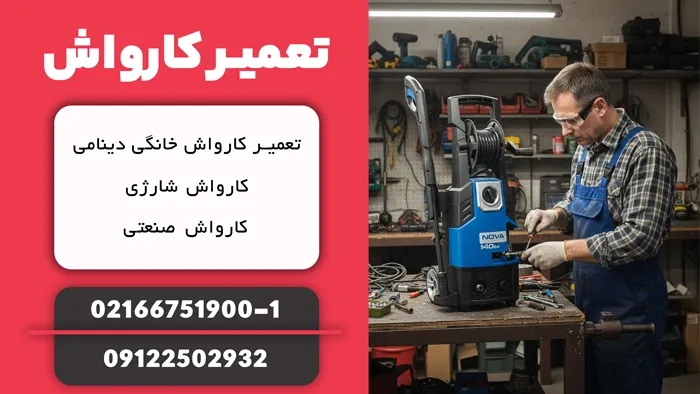

Car Wash Repair Guide: Common Problems, Causes, and Professional Solutions
A pressure washer is one of the most useful cleaning tools for homes, workshops, construction sites, and professional services. These machines save time and provide powerful cleaning performance, but like any mechanical device, they can experience problems over time.
Issues such as low water pressure, unusual noises, failure to start, water leakage, or motor problems are common reasons why users search for reliable solutions. Understanding the basics of car wash repair can help users identify problems faster and prevent expensive damage.
Why Do Pressure Washers Need Repair?
A pressure washer works through the cooperation of several important components, including the motor, pump, switch, hose, nozzle, and internal seals. When one part fails, the entire system may lose efficiency.
Some common reasons for pressure washer failure include:
- Continuous heavy usage
- Lack of regular maintenance
- Using contaminated water
- Damaged internal components
- Electrical problems
- Incorrect storage
Regular inspection and proper maintenance can increase the lifespan of a car wash machine and reduce repair costs.
Common Car Wash Problems and Their Solutions
1. Pressure Washer Does Not Start
One of the most common problems is when the machine does not turn on.
Possible causes include:
- Damaged power cable
- Faulty switch
- Electrical connection problems
- Motor failure
- Overheating protection activation
Before checking internal components, users should always inspect the power source and basic connections.
If the problem continues, professional inspection may be necessary because electrical components require technical knowledge.
2. Low Water Pressure Problem
Reduced pressure is another frequent issue among pressure washer users.
Possible causes include:
- Blocked nozzle
- Dirty water filter
- Pump damage
- Air entering the system
- Worn internal seals
Cleaning the nozzle and checking water flow are simple steps that may solve minor problems. However, continuous pressure loss can indicate a deeper pump-related issue.
For a complete troubleshooting process and detailed repair methods, users can follow a professional Car Wash Repair guide that explains common failures and maintenance steps.
3. Water Leakage From the Machine
Water leakage usually happens because of damaged seals, loose connections, cracked hoses, or worn-out fittings.
Ignoring leaks can create bigger problems because water may reach electrical sections or damage internal components.
Regularly checking connections and replacing damaged parts can prevent unnecessary repairs.
4. Strange Noises During Operation
Unusual sounds from a pressure washer often indicate mechanical problems.
Common reasons include:
- Pump wear
- Bearing damage
- Lack of lubrication
- Foreign objects inside the system
A machine that produces abnormal sounds should not continue working for a long time because small problems can become expensive failures.
Importance of Regular Car Wash Maintenance
Maintenance is one of the best ways to avoid unexpected breakdowns.
Some important maintenance practices include:
Cleaning Filters
Dirty filters reduce water flow and increase pressure on the pump.
Checking Hoses and Connections
Damaged hoses can reduce performance and create safety problems.
Protecting the Pump
The pump is one of the most important parts of a pressure washer. Proper usage and preventing dry operation can significantly increase its lifespan.
Proper Storage
Keeping the machine in a dry and safe place protects internal and external components.
Repair or Replace? Making the Right Decision
When a pressure washer stops working, many users wonder whether they should repair it or buy a new machine.
Repair is usually a better option when:
- The motor is still healthy
- Replacement parts are available
- The problem is related to small components
- The machine has good overall condition
Replacement may be considered when:
- Major components are completely damaged
- Repair costs are too high
- The machine has reached the end of its useful life
A professional evaluation can help users make a more economical decision.
Choosing Quality Replacement Parts
Using original and compatible replacement parts plays an important role in successful repairs.
Important components that may require replacement include:
- Pump parts
- Switches
- Motors
- Hoses
- Nozzles
- Seals
Low-quality parts may reduce performance and cause repeated failures.
Final Thoughts
A pressure washer is a valuable tool that requires proper care and timely maintenance. Understanding common problems helps users identify failures before they become serious.
Whether the issue is low pressure, electrical failure, leakage, or unusual noise, accurate diagnosis is the first step toward effective repair.
By learning basic maintenance techniques and using reliable repair resources, users can improve machine performance and extend the working life of their equipment.
























Sign in to leave a comment.