

Have you ever opened the Quran, looked at those flowing Arabic letters, and felt a mix of love and nervousness? We have all been there. The good news is that you don’t have to figure it out alone. When you decide to learn Quran with a qualified Quran teacher, you swap guesswork for guidance, and frustration for steady, joyful progress. In this guide, we walk you through everything: why people start, what a teacher does, how to choose one, what lessons cost, and how to keep going when life gets busy.
Why Do So Many People Want to Learn Quran Today?
Think of the Quran as a vast, beautiful library. You can admire it from the outside, but a guide hands you the key. That is exactly why millions of children, teenagers, and adults are searching for ways to learn Quran right now.
The Spiritual Pull
Most learners tell us the same thing: they want to feel closer to their faith. Reciting correctly brings a calm that translations alone can’t give. When the words leave your own lips, the connection feels personal, almost like a conversation.
The Practical Side
There are everyday reasons too. Parents want their children to read confidently before school pressure kicks in. New Muslims want to pray with understanding. Busy professionals want a gentle routine that anchors their day. Whatever your reason, a Quran teacher turns “someday” into a plan with dates on the calendar.
What Does a Quran Teacher Actually Do?
A Quran teacher is far more than someone who listens while you read. Picture a driving instructor: they don’t just sit beside you, they watch your habits, correct small errors before they become big ones, and build your confidence mile by mile.
Correcting Pronunciation and Makharij
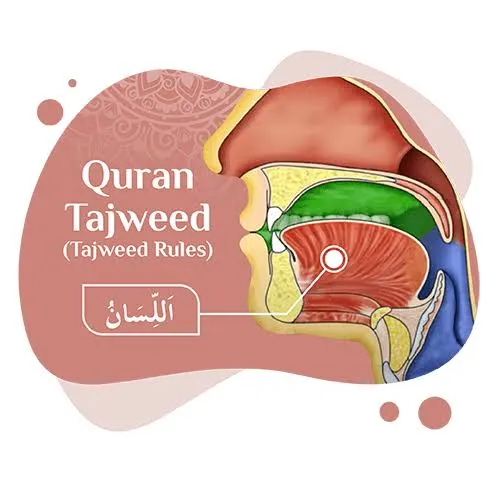
Arabic has sounds that don’t exist in many other languages. The letters ع, ح, and ق, for example, come from specific points in the throat and mouth, called makharij. A teacher hears the difference between “close enough” and “correct,” and trains your tongue accordingly. No app can match that live feedback.
Teaching Tajweed Rules
Tajweed is the set of rules for reciting beautifully and accurately: where to stretch a sound, where to pause, where to blend letters. We like to compare it to musical notation. You can hum a song without it, but with it, everything lands in the right place. A good teacher introduces these rules gradually, so you never feel buried.
Guiding Memorization (Hifz)
If you dream of memorizing, your teacher builds a realistic schedule. They help you with:
- New lessons (sabaq) in small, manageable portions
- Recent revision (sabqi) so fresh verses stick
- Long-term review (manzil) so nothing fades
Why Revision Matters More Than Speed
Here is a truth many beginners learn the hard way: memorizing is easy, keeping it is the real work. A teacher keeps you honest about revision, which is the difference between a verse you knew last month and a verse you know for life.
Online vs. In-Person: Which Way Should You Learn Quran?
Both options work. The right choice depends on your schedule, location, and learning style. Let’s compare them honestly.
The Benefits of Learning Quran Online
Online lessons have opened the door for people who once had no access to a qualified teacher. Here’s why they’ve become so popular:
- Flexibility: You pick times that suit your time zone and routine.
- Wider choice: You aren’t limited to teachers in your neighborhood.
- Comfort: Children learn in a familiar, relaxed space.
- Recordings: Many teachers let you replay lessons for revision.
- Safety and convenience: No commuting, no weather worries.
All you need is a stable internet connection, a laptop, tablet, or phone, and a quiet corner.
When In-Person Learning Makes Sense
Some learners simply thrive in a physical classroom. The mosque or community center offers a sense of belonging, and sitting beside other students can be motivating. If you have a trusted local teacher, in-person study is a wonderful option. Many families combine both: online lessons during the week, community study on weekends.
How to Choose the Right Quran Teacher
This is the decision that shapes your whole journey, so let’s slow down. Would you hand your car keys to someone without checking their license? The same care applies here.
Check Credentials and Ijazah
Look for a teacher with formal training in recitation. Many hold an ijazah, a certification showing an unbroken chain of transmission back to the Prophet ﷺ. Don’t be shy about asking where they studied and who taught them. A sincere teacher will be glad to share.
Look for a Teaching Style That Fits You
Some teachers are gentle and patient, others are structured and firm. Neither is wrong, but one will suit you better. A shy child may blossom with warmth, while a disciplined adult may want clear targets and homework.
Questions to Ask During a Trial Lesson
Most good teachers offer a free or low-cost trial. Use it wisely:
- How do you assess my starting level?
- What does a typical lesson look like?
- How do you track progress and share feedback?
- What is your cancellation and rescheduling policy?
- Do you have experience with beginners, kids, or adult reverts?
Pay attention to how you feel afterward. Did you understand the lesson? Did you feel respected? Your gut matters here.
Match Gender and Language Preferences
Many families prefer a female teacher for daughters, or a teacher who explains in Urdu, English, Arabic, or another familiar language. Don’t treat this as a luxury. Comfort speeds up learning.
What Happens in a Typical Quran Lesson?
Let’s pull back the curtain. A usual session runs between 30 and 60 minutes and follows a simple rhythm:
- Greeting and a short dua: Setting the intention.
- Review: Going over last lesson’s material.
- New material: Letters, words, or verses, depending on your level.
- Practice and correction: You recite, your teacher listens and gently corrects.
- Homework: A small, clear task for the days ahead.
Notice the pattern: little and often. Short, consistent sessions beat marathon cram sessions every single time.
A Step-by-Step Path for Beginners
Wondering where you’d begin if you started tomorrow? Here’s the roadmap most teachers follow.
- Arabic alphabet (Huroof): Recognizing each letter and its sound.
- Letter shapes: Learning how letters change at the start, middle, and end of a word.
- Short vowels and symbols: Fatha, kasra, damma, sukoon, and shaddah.
- Joining letters into words: Reading simple words smoothly.
- Basic tajweed rules: Noon sakinah, meem sakinah, and madd.
- Reading short surahs: Beginning with the final chapters of the Quran.
- Fluent recitation: Moving through longer passages with confidence.
- Optional extras: Memorization, advanced tajweed, or understanding meanings.
Many people finish the early stages faster than they expect. Why? Because a teacher removes the biggest obstacle: practicing mistakes without knowing it.
Costs and Pricing: What Should You Expect to Pay?
Let’s talk money, because it’s the question on everyone’s mind. Prices vary widely depending on the teacher’s qualifications, class format, and where you live. As a rough guide:
- One-on-one online lessons: Often priced per hour or per month, and usually higher than group options because you get full attention.
- Small group classes: More affordable, and great for children who enjoy learning with peers.
- Monthly packages: Typically cover a set number of lessons per week, and often work out cheaper than paying per session.
- Local or community teachers: Rates can differ a lot, and some mosques offer subsidized classes.
What Affects the Price?
Qualifications, experience, lesson length, and the number of weekly sessions all play a part. A teacher with an ijazah and years of classroom experience will usually charge more than a newer tutor, and often for good reason.Before you commit, ask for a clear price breakdown, including any registration or material fees. Transparent teachers happily provide it. Also check whether a trial class is available, since it lets you judge value before paying for a full month.
Accessibility: Who Can Learn Quran, and From Where?
Here is the beautiful part: nearly anyone can learn. Online platforms have erased the old barriers of distance and time.
Learning From Anywhere in the World
Whether you live in a big city or a remote village, whether you’re in Lahore, London, or Toronto, online lessons bring a qualified teacher to your screen. Teachers across different regions offer morning, evening, and weekend slots, so time zones rarely stand in your way. That means working parents, students, and night-shift employees can all find a workable schedule.
Learning at Every Age and Level
You are never too old, and never too young. We’ve seen five-year-olds trace their first letters and seventy-year-olds finish their first full recitation. Adults who feel embarrassed to start from zero should know that every teacher has met learners just like them, and no one is judging.
Support for Special Learning Needs
Patient teachers can adapt pace, repetition, and format for learners who need extra support, including children who struggle with focus. If you have particular needs, mention them upfront so your teacher can plan accordingly.
Learning Quran for Kids: Making It Fun
Children learn best when lessons feel like play rather than pressure. Good Quran teachers for kids use stories, short activities, colorful flashcards, and plenty of praise. Imagine a garden: you don’t force a seedling to grow, you water it daily and let it rise.
Here are a few ways to support your child at home:
- Set a fixed, short practice time each day
- Sit with them for the first few minutes
- Celebrate small wins, like a new letter or a clean recitation
- Keep devices charged and the space free of distractions
Common Mistakes to Avoid When You Learn Quran
Even enthusiastic learners stumble. Watch out for these:
- Rushing ahead: Skipping basics leads to shaky reading later.
- Learning only from videos: Recordings can’t hear you or correct you.
- Irregular practice: Three focused days beat one long weekend binge.
- Being too shy to ask: Questions are how you grow.
- Switching teachers constantly: Give a good teacher time to work.
Spot yourself in that list? Don’t worry. Awareness is the first step, and your teacher can help you reset.
Practical Tips to Progress Faster
Ready to get the most from every lesson? Try these habits:
- Practice daily, even for ten minutes.
- Record yourself and compare it with your teacher’s recitation.
- Keep a notebook for rules and corrections.
- Listen to skilled reciters to train your ear.
- Revise before every lesson, so you can learn new material instead of repeating old.
- Make dua for ease, and be kind to yourself on slow days.
Progress in recitation looks like a staircase, not a ramp. Some weeks you climb quickly, other weeks you stand on a landing, and both are part of the journey.
Conclusion
Learning the Quran is one of the most rewarding commitments you can make, and you don’t have to walk that road blindly. A dedicated Quran teacher gives you accurate pronunciation, clear tajweed, a realistic plan, and the encouragement to keep going. Whether you choose online or in-person lessons, one-on-one or group classes, the key is to start, stay consistent, and choose a teacher who suits you. So take that first step today: book a trial lesson, ask your questions, and begin to learn Quran with confidence and joy.























Sign in to leave a comment.