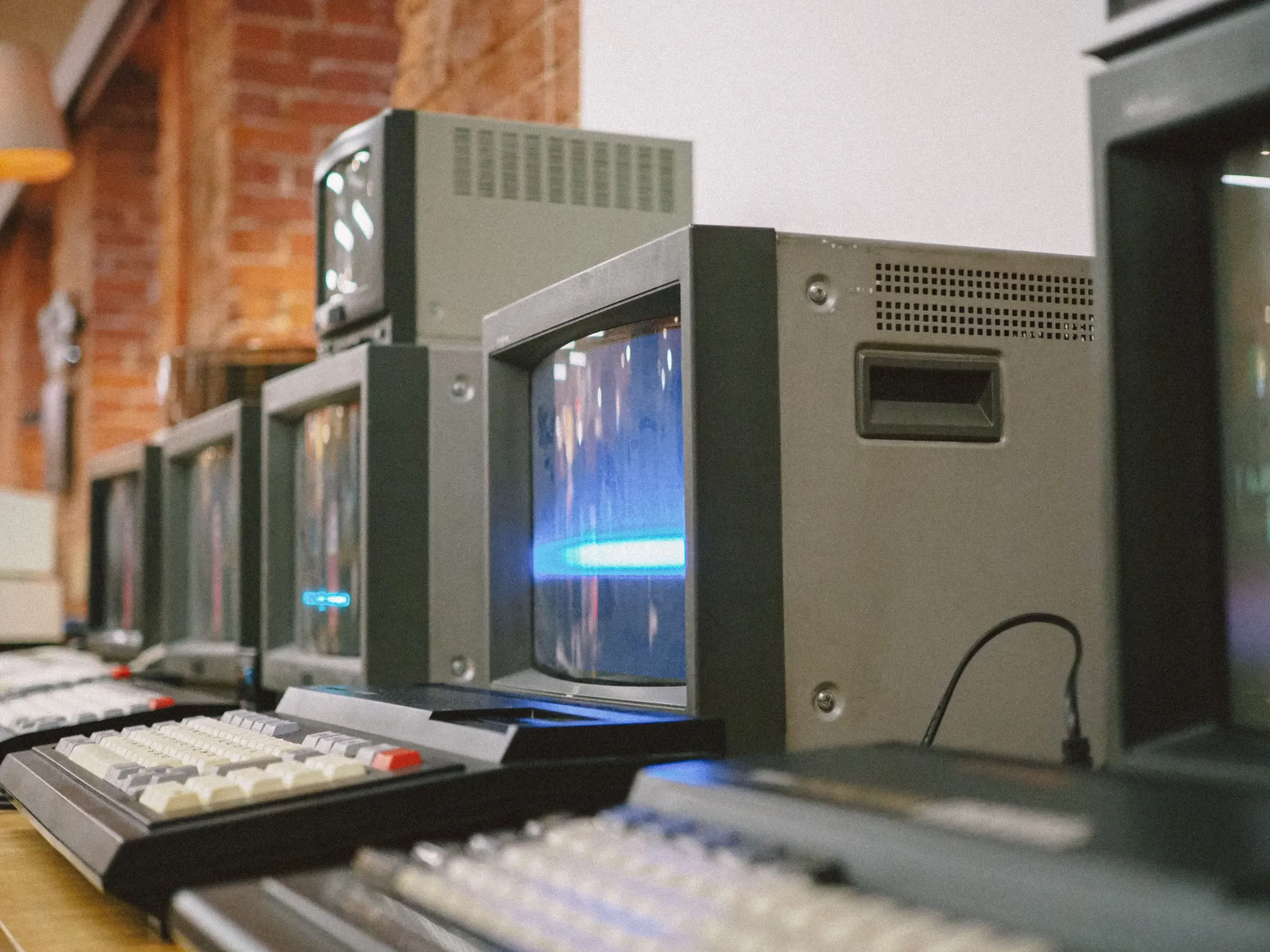

Older systems often hold critical business logic and years of accumulated data, which is exactly why replacing them is risky. A thoughtful approach to legacy modernization focuses on connecting, exposing, and gradually evolving what exists, rather than betting everything on a single sweeping rewrite.
Why Legacy Modernization Matters
Legacy platforms can limit how fast a business responds to change. They may be hard to integrate, expensive to maintain, and difficult to secure. They can also block new initiatives, since AI and analytics projects usually need access to data locked inside older applications.
At the same time, these systems often run essential processes. Switching them off carelessly can cause outages, data loss, or compliance problems. The task is to change them safely.
Common Approaches
Wrap and expose. Put a managed API layer in front of the legacy system so newer applications can use it without touching its internals. API management is central here.
Event-driven decoupling. Publish events from legacy systems so other services can react without tight coupling.
Incremental extraction. Move one capability at a time into a new service, keeping the rest running.
Data modernization. Move or replicate data onto a modern platform to support analytics and AI, while the source system continues operating.
Most real programs combine several of these rather than choosing one.
Why Integration Comes First
Modernization tends to go better when the integration layer is designed early. Well-defined APIs and events give you room to replace components later without breaking consumers. They also make it easier to add new capabilities, such as AI agents, that need controlled access to older systems.
Common Mistakes to Avoid
Attempting a big-bang rewrite. Large cutovers concentrate risk and are hard to reverse.
Ignoring the data. Business value often sits in the data, so plan for its quality and movement.
Leaving security for later. Older systems may lack modern authentication. Wrapping them with a secure gateway can help.
Skipping documentation. Undocumented behavior is a frequent source of surprises.
Forgetting operations. Decide who runs and supports each component throughout the transition.
Realistic Expectations
Modernization takes longer than most business cases suggest, largely because of the hidden complexity in older systems. Budget time for discovery, and expect to find behavior nobody remembered. It is better to uncover these details early than during cutover.
Also expect to run old and new components side by side for some time. That overlap adds cost and complexity, but it is what keeps the business safe while confidence builds. Be transparent with stakeholders about the interim state, and set milestones that show real progress, such as a retired interface or a workload running entirely on the new platform. Steady, visible wins keep support strong through a long journey.
Who This Is For
This guidance is useful if you:
- Rely on aging applications that are hard to change.
- Want to use AI or analytics but cannot easily reach the data.
- Face security or compliance pressure on older platforms.
- Need to modernize without interrupting daily operations.
Sequencing the Work
Modernization programs benefit from a clear order of operations. First, understand what exists: which applications are critical, which are rarely used, and which contain data that other initiatives need. Second, establish the integration layer that will let old and new components coexist, so that later changes do not ripple through every consumer. Third, tackle individual components in order of value and risk, delivering each in a way that can be tested and, if necessary, reversed.
It can be tempting to start with the most visible or most painful system. That is sometimes right, but not always. A lower-profile component that unlocks data for several other projects may deliver more overall benefit, and an early success in a manageable area builds confidence for tougher ones.
People and Process Matter Too
Technology is only half of modernization. Legacy systems often embody knowledge that lives in people's heads: unwritten rules, workarounds, and exceptions. Involve the people who operate and depend on these systems early, and capture what they know. Otherwise, the new system may technically replace the old one while quietly dropping behavior the business relied on.
Change management deserves attention as well. Users need to understand what is changing and when, and support teams need training before cutover, not after. Communicating clearly and often reduces resistance and helps surface issues while there is still time to address them. Treat the program as a business change supported by technology, rather than a technology project that happens to affect the business.
A Common Question: Should We Rewrite or Wrap?
Wrapping a legacy system in modern interfaces is usually faster and less risky than rewriting it, and it often delivers most of the benefit, since new applications can use the old logic through clean APIs. Rewriting makes sense when the system is truly unmaintainable, when its technology is unsupported, or when its design blocks essential change. Even then, wrapping first buys time and clarity. Start by exposing what exists, learn how it is used, and then decide which components deserve a rebuild.
Practical Tips: What to Check Before You Begin
- Inventory your systems. List what exists, who owns it, and what depends on it.
- Rank by business risk and value. Start where the payoff is clear and the risk is manageable.
- Define the target interfaces. Decide what APIs and events the new architecture should offer.
- Plan the data path. Identify how data will move and how you will verify it.
- Set a rollback plan. Every step should be reversible where possible.
- Deliver in stages. Small releases surface problems earlier.
Final Thoughts
The most reliable modernization efforts tend to look unspectacular from the outside. They connect before they replace, deliver in small steps, and keep the business running throughout. If you approach the work with patience and a clear integration strategy, older systems can become a stable base for what comes next rather than a permanent obstacle. Approached this way, legacy modernization becomes a series of manageable, reversible steps rather than a single leap.























Sign in to leave a comment.