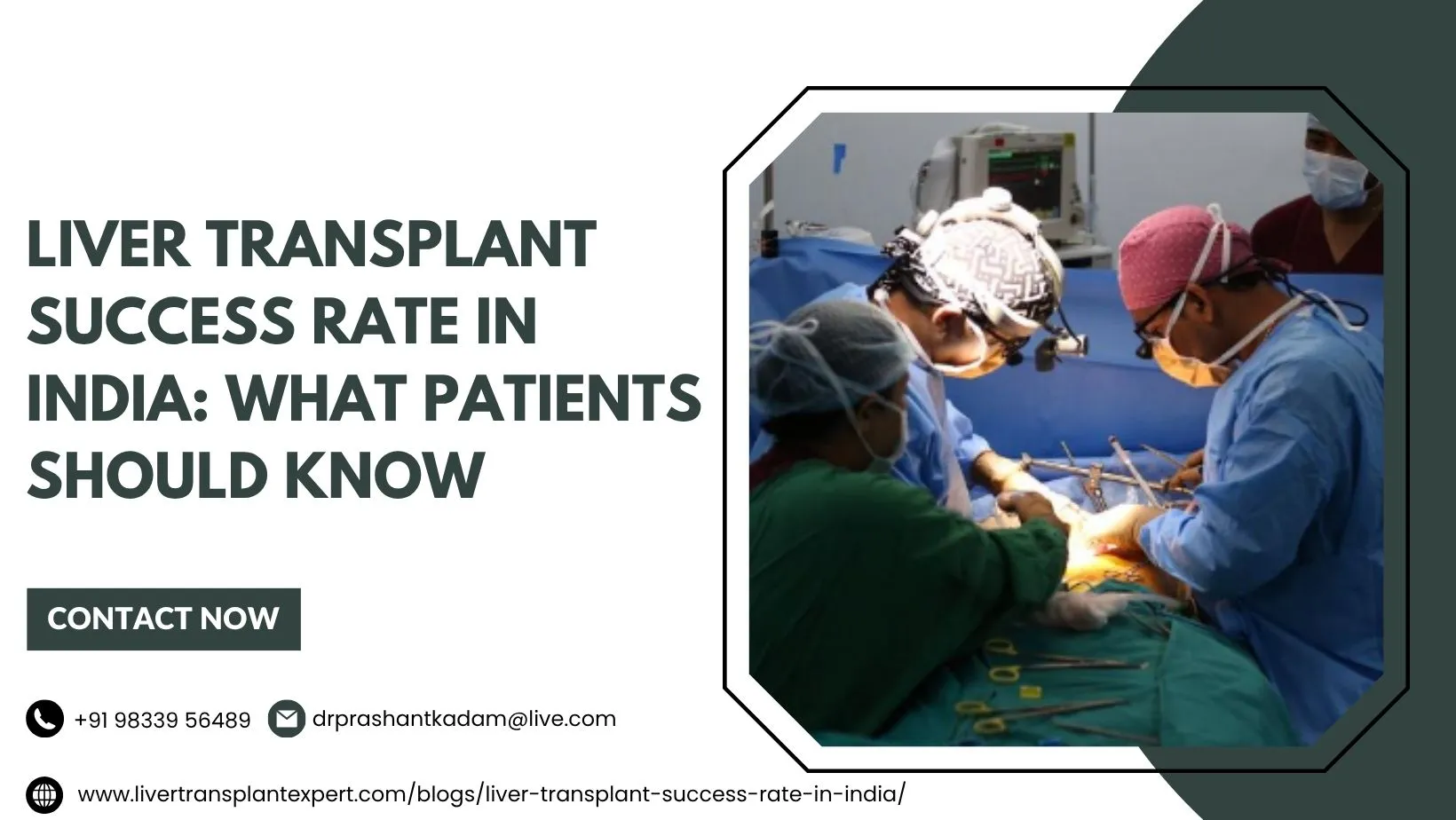

Understanding Liver Transplant Success Rates
A liver transplant is a major operation that replaces a severely damaged or failing liver with a healthy donor liver. It may be recommended for selected patients with advanced liver disease, certain liver cancers or acute liver failure. Understanding the Liver Transplant Success Rate in India helps patients and families prepare for treatment and recovery.
However, transplant success does not depend on one number alone. Doctors consider patient survival, the function of the transplanted liver, complications after surgery and long-term quality of life. Outcomes can vary according to the patient's condition, donor factors, hospital facilities and follow-up care.
What Does Liver Transplant Success Rate Mean?
Success rates usually describe how many patients survive for a defined period after transplantation. Medical reports may discuss one-year or five-year survival, so the timeframe matters when comparing figures.
Patient survival and graft survival are different measurements. Patient survival refers to whether the recipient remains alive after transplantation. Graft survival describes how long the transplanted liver continues to function without requiring another transplant.
Patients should ask which outcome a reported success rate measures, when the data was collected and which patient group it represents. Results from one hospital or study may not apply equally to every patient.
Factors That Influence Liver Transplant Outcomes
Several factors can affect recovery and long-term results after transplantation.
Patient's Health Before Surgery
The severity of liver disease, kidney function, infections, nutritional status and other medical conditions can influence surgical risk and recovery. Patients who need emergency transplantation may face different risks from those who undergo a planned procedure.
Doctors assess these factors before recommending transplantation and work to manage treatable problems when time and the patient's condition allow.
Donor and Organ Factors
Liver quality, donor suitability, blood group compatibility and the size of the donated liver can affect transplant planning. In living donor transplantation, the medical team evaluates both the recipient and donor to help protect their safety.
Careful donor assessment and appropriate organ handling form important parts of the transplant process.
Surgical Expertise and Hospital Support
Liver transplantation requires coordinated care involving surgeons, anaesthetists, intensive care specialists, nurses, hepatologists and other professionals. Experience with complex transplant procedures, access to intensive care and the ability to manage complications can contribute to patient care.
Choosing an experienced liver transplant surgeon in India involves reviewing relevant qualifications, experience with the required procedure, hospital support and the transplant team's approach to follow-up.
Living Donor and Deceased Donor Transplantation
In living donor transplantation, a suitable donor gives a portion of their liver. The donor's remaining liver and the transplanted portion can grow over time. In deceased donor transplantation, the organ comes from a donor who has died and meets donation requirements.
Both approaches require careful assessment and specialised care. Outcomes depend on recipient health, donor and organ factors, surgical circumstances and postoperative management. Neither donor type guarantees a particular result.
Recovery and Long-Term Care After Transplantation
Recovery continues well beyond hospital discharge. Patients generally need regular follow-up visits, blood tests and medication to prevent rejection. Immunosuppressant medicines help the body accept the new liver, but they also increase the risk of certain infections.
Patients should take medicines as prescribed and avoid changing doses without medical advice. Follow-up appointments help doctors monitor liver function, adjust treatment and identify complications early.
A balanced diet, appropriate physical activity, infection prevention and management of other health conditions also support long-term care. Patients should contact their transplant team if they develop fever, worsening jaundice, unusual abdominal pain or other concerning symptoms.
How to Choose a Liver Transplant Specialist in India
Patients researching the best liver transplant surgeon in India should look beyond general success-rate claims. Useful questions include how the team measures outcomes, what experience it has with the patient's condition, what complications may occur and what follow-up support is available.
Patients considering liver transplant in India should also understand the expected hospital stay, medication costs, travel requirements and long-term monitoring. A second opinion may help clarify treatment options for complex cases.
Dr Prashant Kadam is a liver transplant and HPB surgeon in Mumbai. Patients can discuss their diagnosis, transplant suitability and individual treatment requirements during a specialist consultation.
Conclusion
The Liver Transplant Success Rate in India depends on several clinical and treatment-related factors. Survival figures provide useful information, but they cannot predict an individual patient's outcome. Understanding the measurements, reviewing the transplant team's experience and following medical advice after surgery can help patients make informed decisions about treatment and long-term care.


























Sign in to leave a comment.