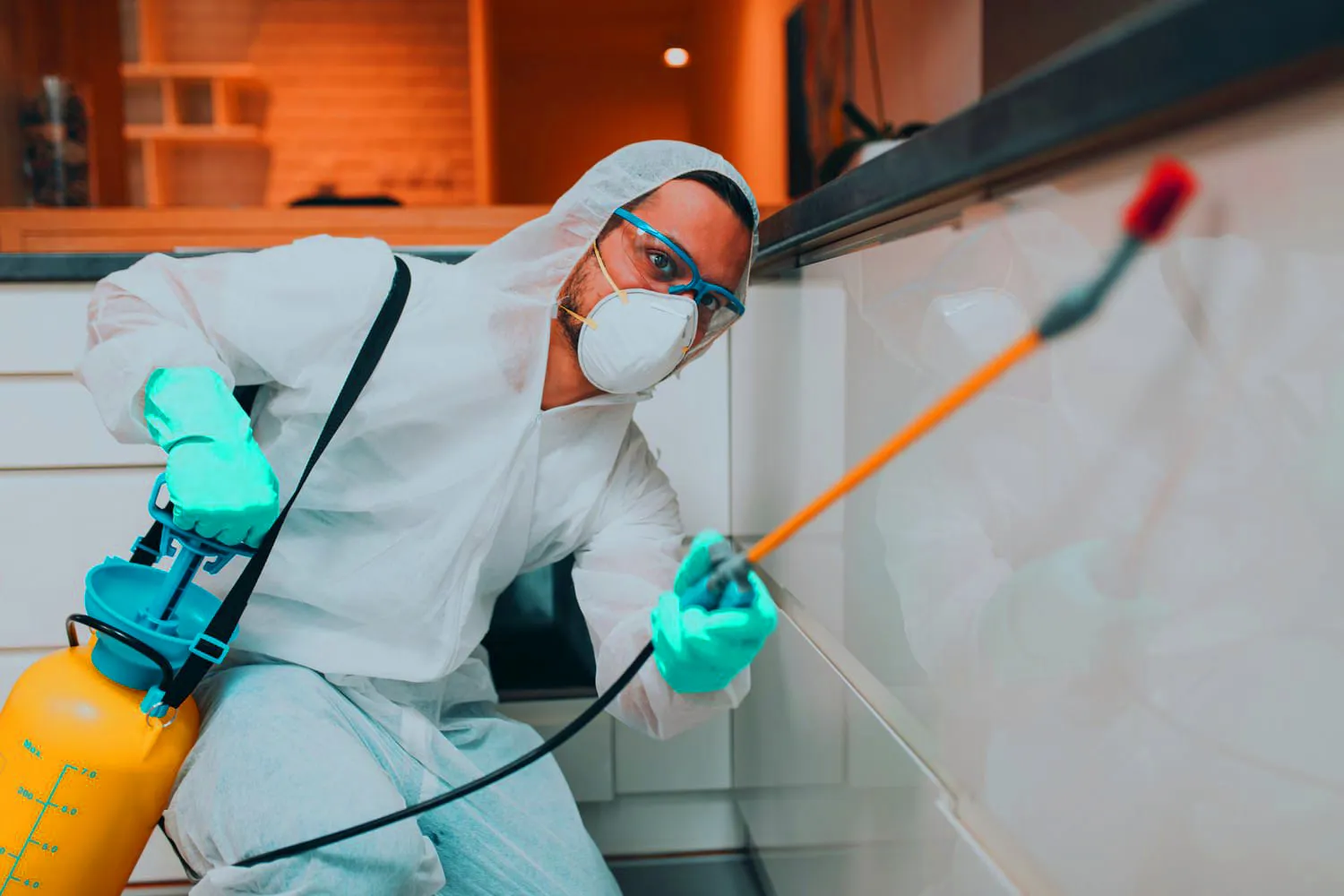

Pest problems can be frustrating, especially when insects or rodents keep coming back after treatment. Removing visible pests is only one part of the solution. The real goal is to make your home or business less attractive to pests and stop them from finding easy access.
Long-term pest prevention focuses on regular maintenance, cleanliness, moisture control, and early detection. These simple steps can help reduce the chance of repeated infestations and keep your property more comfortable throughout the year.
Why Pest Prevention Matters
Pests usually enter properties for three main reasons: food, water, and shelter. A small crack near a door, an overflowing bin, or a damp basement can provide exactly what pests need.
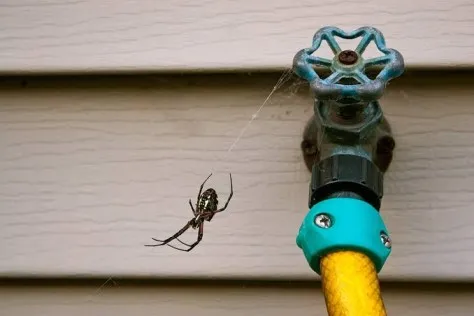
Ants may follow food smells into kitchens. Mice can enter through very small openings. Cockroaches often look for moisture and food in kitchens and bathrooms. Spiders may settle in quiet areas where other insects are available as food.
Prevention removes these attractions before they become a bigger issue.
Keep Your Home Clean
Regular cleaning is one of the easiest ways to discourage pests. Food crumbs and spills should be cleaned as soon as possible. Countertops, floors, and dining areas should receive regular attention.
Food should be kept in sealed containers rather than open bags. Pet food should also be stored properly and not left out for long periods.
Garbage should be placed in containers with secure lids and removed regularly. Outdoor bins should also be kept clean to reduce smells that can attract insects and rodents.
Control Moisture
Many pests are attracted to damp conditions. Leaking pipes, wet basements, clogged gutters, and standing water can create ideal conditions for insects.
Check under sinks and around toilets for leaks. Repair plumbing problems quickly. Keep basements and other damp areas well ventilated.
If a basement remains humid, using a dehumidifier may help. Outside the property, make sure rainwater drains away from the foundation.
Reducing moisture can make your property less attractive to many common pests.
Seal Entry Points
Pests do not need large openings to enter a building. Mice, insects, and other pests can use small cracks and gaps around the property.
Inspect areas around:
- Doors and windows
- Foundation walls
- Pipes and cables
- Vents
- Garage doors
- Roof openings
- Utility connections
Use suitable materials to seal gaps where possible. Damaged window screens should also be repaired or replaced.
Weather stripping around doors can help close gaps while also improving energy efficiency.
Maintain Your Yard
Outdoor maintenance plays an important role in preventing indoor pest problems. Overgrown plants, piles of leaves, old wood, and excess mulch can provide shelter for insects and rodents.
Keep shrubs and plants trimmed away from exterior walls when practical. Remove unnecessary debris from around the property.
Firewood should be stored off the ground and away from the building. Leaves and grass clippings should not be allowed to build up near the foundation.
A clean outdoor area gives pests fewer places to hide.
Store Food Properly
Food storage is especially important in kitchens and commercial food areas. Dry goods such as flour, cereal, rice, and pet food should be stored in sealed containers.
Clean shelves regularly and check food packages for signs of insects. Spilled food should not be left behind appliances or inside cabinets.
Restaurants and other food businesses should have strict cleaning and storage routines because even small food sources can attract pests.
Inspect Your Property Regularly
You do not always need to wait until you see a pest to take action. Regular inspections can help identify early warning signs.
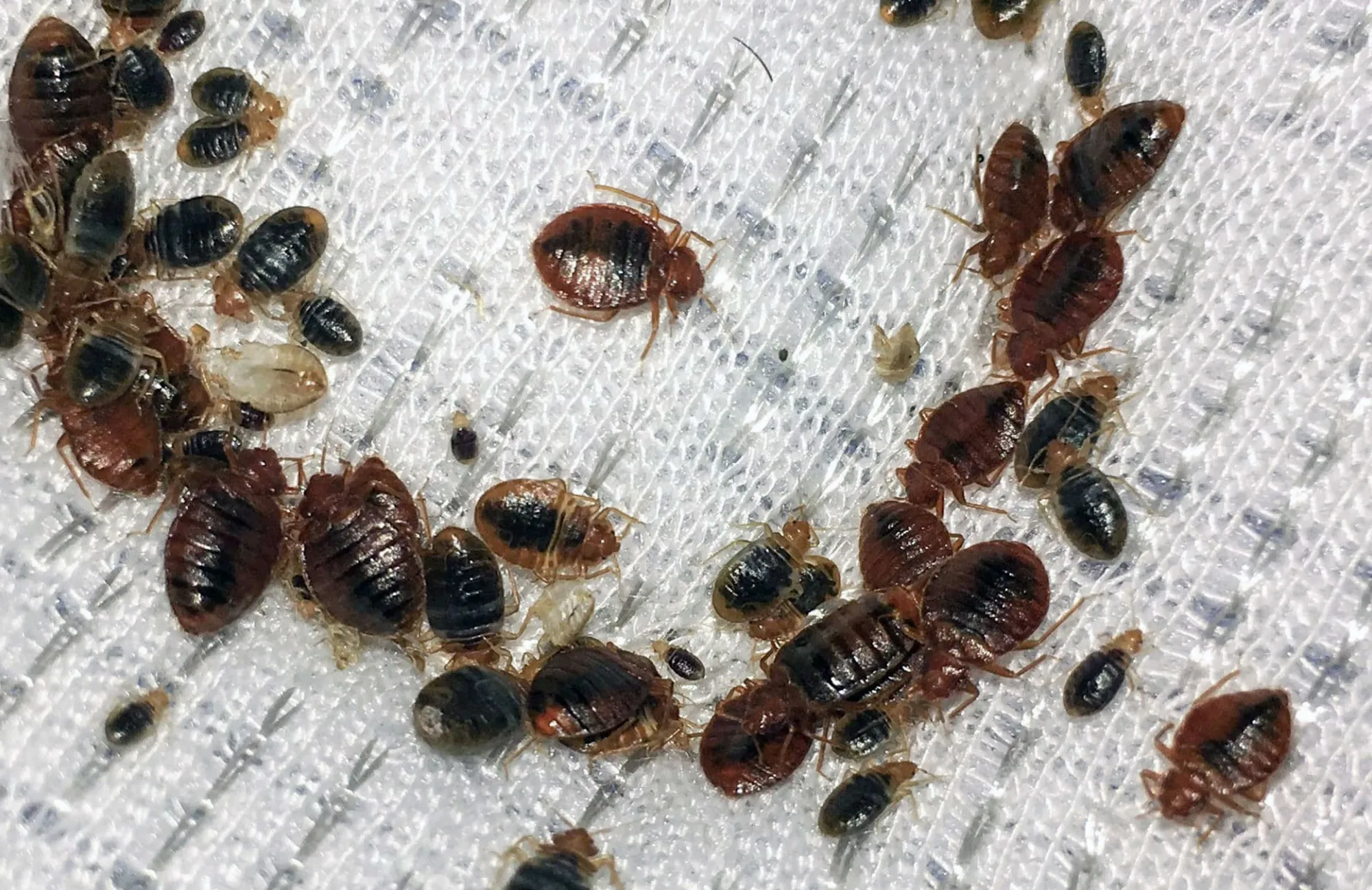
Look for droppings, damaged materials, insect trails, holes, shed insect skins, nests, or unusual smells. Pay special attention to dark and quiet areas such as basements, garages, storage rooms, cabinets, and spaces around appliances.
Early detection can make treatment easier and may prevent a small issue from becoming a major infestation.
Professional Pest Prevention
Some properties need more than basic cleaning and maintenance. If you have experienced repeated pest problems, professional pest management can provide a more detailed inspection.
A trained technician can identify possible entry points, moisture problems, nesting areas, and other conditions that may be supporting pest activity.
Professional services can also help create a prevention plan based on the type of property and the pests commonly found in the area. This may include monitoring, exclusion, targeted treatment, and follow-up inspections.
Pest Prevention for Businesses
Businesses have additional responsibilities when it comes to pest prevention. A pest sighting can affect customer confidence and may create hygiene concerns.
Commercial properties should maintain clean storage areas, manage waste properly, repair building gaps, and monitor areas where pests are likely to appear.
Regular professional inspections can be useful for restaurants, offices, warehouses, retail stores, and other commercial buildings.
Seasonal Pest Prevention
Pest activity can change throughout the year. Spring and summer may bring increased insect activity, while rodents may look for warm shelter as colder weather approaches.
Before seasonal changes, inspect doors, windows, roofs, foundations, and storage areas. Clear leaves and debris from around the property and check for moisture problems.
Taking action before pest activity increases can make prevention much easier.
When Should You Call a Professional?
You should consider professional help if you repeatedly find pests, notice signs of nesting, discover property damage, or cannot identify how pests are entering.
Repeated DIY treatment may only deal with the visible insects or rodents without addressing the source. A professional inspection can help determine why the problem keeps returning.
For homeowners looking for reliable Pest Control Ottawa services, a professional pest management company can provide inspection, treatment, and prevention options based on the property.
Final Thoughts
Keeping pests away is easier when prevention becomes part of regular property care. Clean food areas, control moisture, seal openings, maintain outdoor spaces, and watch for early signs of activity.
The goal of long-term pest prevention is not simply to remove pests after they appear. It is to create conditions that make your home or business less attractive to them in the first place.
With regular maintenance and professional support when needed, you can reduce recurring pest problems and protect your property throughout the year.
Frequently Asked Questions
What is long-term pest prevention?
It is a combination of cleaning, maintenance, inspections, exclusion, moisture control, and other steps designed to reduce the chance of pests returning after treatment.
How can I prevent pests from entering my home?
Seal cracks and gaps around the foundation, doors, windows, pipes, and vents. Keep food sealed, control moisture, remove outdoor debris, and maintain your yard.
Does cleaning really help prevent pests?
Yes. Regular cleaning removes food crumbs, spills, garbage, and other sources that can attract insects and rodents.
How often should I inspect my home for pests?
A quick inspection every few months is useful. You should also check the property when changing seasons or after noticing signs such as droppings, holes, insect trails, or unusual activity.
Can professional pest control help prevent future infestations?
Yes. Professional pest management can identify entry points and conditions that encourage pest activity. Preventive services may combine inspection, monitoring, exclusion, and targeted treatment.
What should I do if pests keep coming back?
Look for the source rather than treating only the visible pests. Check for moisture, food sources, nesting areas, and entry points. If the issue continues, a professional inspection can help identify the underlying cause.






















Sign in to leave a comment.