

Many people start exercising with the goal of getting stronger, losing weight, or improving their overall health. However, if your body is not moving well, even the best workout plan may lead to discomfort, frustration, or slow progress. Tight muscles, poor posture, old injuries, and movement imbalances can all affect how you feel during daily activities and exercise.
Instead of pushing through pain or relying on generic workout routines, it is worth understanding how movement quality influences long term health. Building strength on a solid foundation helps you stay active, reduce the risk of injury, and enjoy better results over time.
If you have ever searched for a corrective exercise specialist near me, you are likely looking for someone who can identify movement issues and create a plan that fits your body's unique needs. This approach focuses on improving the way you move before increasing the intensity of your workouts.
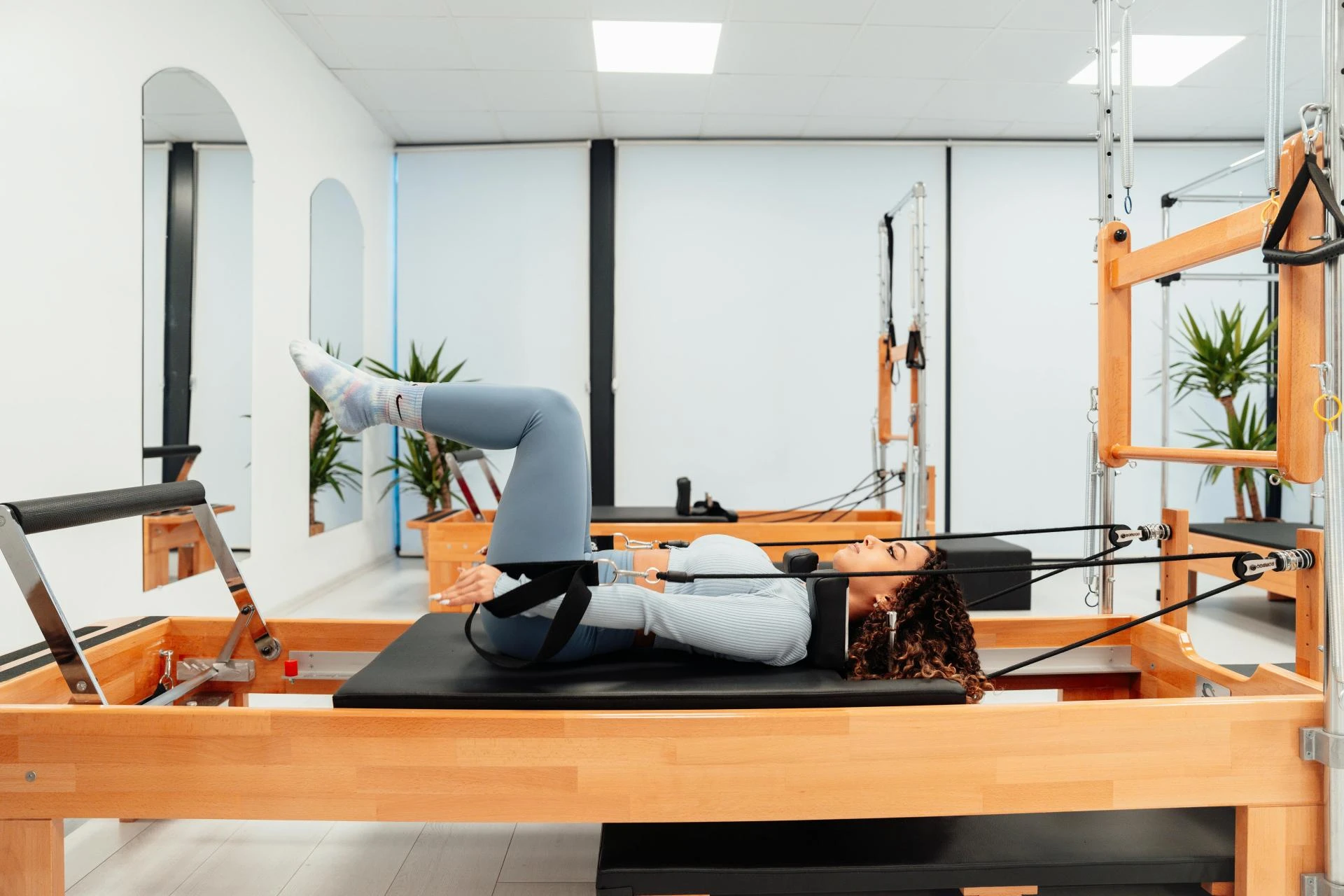
One of the biggest benefits of functional fitness training is that it prepares your body for everyday life. Rather than training muscles in isolation, functional exercises improve balance, coordination, mobility, and strength through natural movement patterns that support daily activities.
What Is Corrective Exercise?
Corrective exercise is a personalized approach that helps improve movement patterns, reduce physical limitations, and restore proper body mechanics. Instead of simply treating symptoms, it looks for the underlying cause of discomfort or restricted movement.
A movement assessment is usually the first step. During this process, a qualified trainer observes how your body moves while walking, squatting, balancing, reaching, and performing other basic movements. These observations help identify areas that may need attention.
Corrective exercises are then selected to improve mobility, stability, flexibility, and muscle activation. Over time, these exercises help your body move more efficiently and comfortably.
Signs You May Benefit From Movement Focused Training
Many people assume discomfort is simply part of getting older or exercising regularly. In reality, poor movement habits can often be improved with the right guidance.
You may benefit from this style of training if you:
- Experience recurring aches or stiffness.
- Feel limited during everyday movements.
- Notice poor posture while sitting or standing.
- Have recovered from an injury but still feel restricted.
- Struggle with balance or coordination.
- Feel one side of your body is stronger than the other.
- Want to exercise safely after a long break.
Improving these movement patterns often leads to better confidence both inside and outside the gym.
How Functional Fitness Supports Everyday Life
Traditional workouts often focus on isolated muscles. Functional fitness takes a different approach by training multiple muscle groups together in ways that reflect real life activities.
Think about the movements you perform every day. You bend to pick something up, carry groceries, climb stairs, reach overhead, and get in and out of a chair. Functional exercises help make these everyday movements easier and more efficient.
Common exercises may include:
- Squats for sitting and standing.
- Lunges for climbing stairs.
- Carrying exercises to improve stability.
- Core exercises that support posture.
- Balance drills that improve coordination.
These movements strengthen your entire body while improving control and reducing unnecessary strain.
Why Personalized Training Makes a Difference
Every person has different goals, movement patterns, and physical history. A personalized training program considers factors such as age, activity level, previous injuries, daily routines, and current fitness level.
Instead of following a one size fits all workout, your trainer adjusts exercises based on your progress and comfort level. This allows you to improve safely while building confidence each week.
Personalized coaching also provides accountability, proper technique correction, and ongoing support that many people find difficult to achieve on their own.
The Long Term Benefits of Better Movement
Improving movement quality is not just about exercising today. It creates habits that support your health for years to come.
Some long term advantages include:
- Better posture throughout the day.
- Increased flexibility and mobility.
- Improved balance and coordination.
- Greater confidence during physical activity.
- Reduced risk of common movement related injuries.
- More efficient performance during sports and recreation.
- Easier completion of everyday tasks.
These improvements often make exercise more enjoyable because your body feels stronger, more stable, and capable.
Training That Fits Your Lifestyle
One of the reasons many people struggle with fitness is that complicated workout programs can be difficult to maintain. A practical movement based approach focuses on exercises that fit naturally into your lifestyle.
Whether you train at home, in a private studio, or outdoors, the emphasis remains the same. Sessions are designed around your abilities while gradually challenging your body to become stronger and more resilient.
Small improvements made consistently often produce better long term results than extreme workout programs that are difficult to sustain.
Building Confidence Through Better Movement
Confidence grows when your body moves well. Everyday activities become easier, workouts feel more comfortable, and you spend less time worrying about aches or limitations.
Movement based coaching encourages steady progress rather than quick fixes. By focusing on quality movement first, you create a stronger foundation for future strength, endurance, and overall fitness.
Whether your goal is to stay active with your family, return to a favorite hobby, or simply feel healthier each day, improving how your body moves is an investment that continues to pay off.
As you continue your fitness journey, remember that lasting results come from understanding your body rather than pushing through discomfort. Working with a knowledgeable coach who focuses on movement quality can help you build strength safely while enjoying the benefits of functional fitness training and finding the right corrective exercise specialist near me to support your long term health goals.
Frequently Asked Questions
1. What does a corrective exercise specialist do?
A corrective exercise specialist evaluates how your body moves, identifies movement limitations or imbalances, and creates a personalized exercise plan to improve mobility, stability, posture, and overall function.
2. Is functional fitness suitable for beginners?
Yes. Functional fitness is appropriate for people of all fitness levels. Exercises can be modified to match your current abilities and gradually become more challenging as your strength and confidence improve.
3. How long does it take to notice improvements?
Many people begin noticing improvements in movement, flexibility, and body awareness within a few weeks of consistent training. Long term results depend on individual goals, commitment, and following a personalized program.




























Sign in to leave a comment.