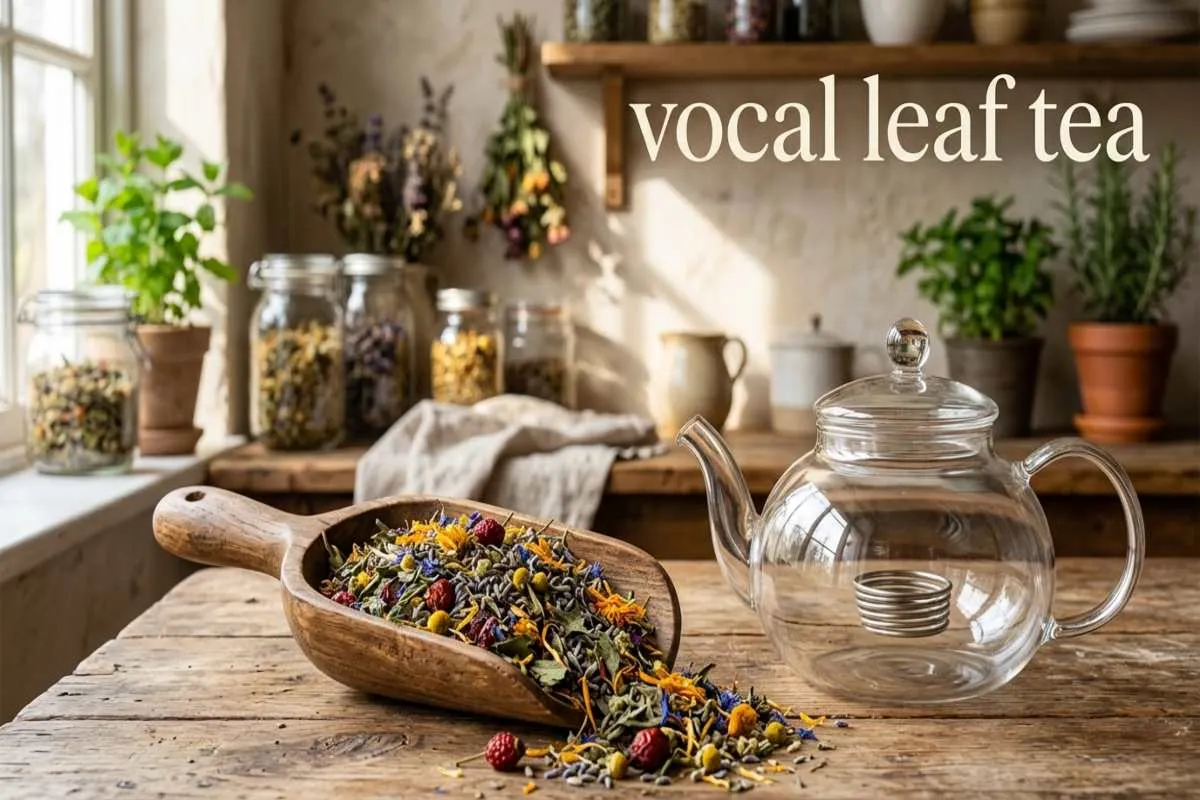

Choosing loose leaf herbal tea over a standard tea bag seems like a small decision, but it changes almost everything about the cup you end up drinking. Flavor, aroma, ingredient quality, and even how long a blend stays fresh in your cupboard all trace back to that one choice. This guide breaks down what actually separates the two formats, how to brew a better cup, and what to look for on a label before you buy.

Understanding Loose Leaf Herbal Tea
Loose leaf herbal tea is the name given to caffeine-free infusions made from whole or roughly cut botanicals, such as dried fruit, petals, and spices, that are sold without being crushed into fine bagged filler. Because true tea comes from the Camellia sinensis plant, anything made purely from fruit, flowers, or roots is technically classified as a tisane rather than tea in the strict botanical sense. Keeping the plant pieces intact protects the essential oils that carry most of a blend's aroma and flavor until the moment water touches them. That single detail is why format, not just ingredient list, plays such a large role in how a finished cup actually tastes.
Why Format Matters More Than You Think
Two tins containing the exact same botanicals can taste noticeably different depending on whether the contents were left whole or ground into powder. Finer particles surrender their flavor almost instantly, which can produce a flat, one-note cup that fades quickly after the first sip. Coarser, intact pieces release flavor more gradually, giving a brew more depth from the first pour to the last.
A Quick Historical Note
Long before commercial tea bags appeared in the early twentieth century, herbal infusions were prepared almost exclusively from loose, dried plant material. Households across many cultures dried their own herbs, fruit, and flowers specifically for steeping in hot water. Modern loose leaf tea is, in many ways, simply a return to that original, unprocessed approach.
The Sensory Difference You Can Taste
Color is often the first clue that something is different, since a well-brewed loose leaf cup tends to look richer and more saturated than a quick bagged infusion. Aroma follows closely behind, with whole botanicals releasing a noticeably fuller scent the moment hot water hits them. Taste is where the difference becomes impossible to ignore, particularly in blends built around fruit or floral notes that fade quickly once ground into dust. Drinkers who make the switch rarely go back once they notice how much more character a properly steeped cup can hold.
A Classroom Example
A high school teacher who leads five back-to-back classes a day has described keeping a thermos of freshly steeped tea at her desk specifically because it holds its flavor and warmth far longer than a quick bagged cup. By the final period, the difference in taste between the two formats becomes obvious even to someone who was never paying close attention before. Small routines like this are often where people first notice the format actually matters.
Key Benefits Worth Knowing
Beyond flavor, loose leaf formats tend to be less processed overall, since the plant material skips the extra step of being cut down to fit inside a small paper bag. Many blends are naturally caffeine-free, making them a practical choice for an afternoon or evening cup without worrying about sleep disruption later. Warm liquid itself offers simple comfort to a dry or tired throat, which is part of why so many teachers, singers, and speakers build a cup into their daily routine. Ingredient visibility rounds out the list, since loose botanicals are easy to inspect, smell, and evaluate before they ever reach your cup.
A quick summary of what loose leaf formats typically offer:
- Fuller flavor and aroma release during steeping
- Less processing than bagged fannings or dust
- Easy visual inspection of ingredient quality
- Naturally caffeine-free in most herbal blends
- Longer-lasting freshness when stored correctly

Brewing Herbal Tea Loose Leaf for Best Results
Most brewing mistakes come down to two things: not using enough leaf, and not giving the blend enough time to steep fully. A reasonable starting ratio is one to two teaspoons per eight ounces of hot water, adjusted slightly based on how strong you like your cup. When preparing herbal tea loose leaf style, patience matters more than precision, since a slightly longer steep almost always improves flavor more than a slightly larger scoop of leaves. Once you find a ratio and timing that works, repeating it consistently is what turns a decent cup into a genuinely good one.
Getting the Ratio Right
Start with the general guideline of one rounded teaspoon per cup, then adjust up if the finished brew tastes thin or watery. Fruit and floral-heavy blends often need slightly more leaf than spice-forward ones to reach a comparable strength. Writing down your preferred ratio the first time you get it right saves guesswork on every cup after that.
Timing Your Steep
Most herbal blends need somewhere between eight and twelve minutes to fully release their flavor, which is considerably longer than most bagged teas require. Tasting at the halfway point is a simple way to judge whether the brew needs more time or is already where you want it. Straining the leaves out completely once steeping is done prevents the cup from turning bitter as it continues to sit.
What Makes an Organic Loose Leaf Herbal Tea Different
Not all loose leaf blends are grown or processed under the same standards, and that gap is exactly what organic certification is meant to close. An organic loose leaf herbal tea is grown without synthetic pesticides or fertilizers, following standards that are checked by an independent certifying body rather than taken on faith. That third-party verification is the real value of the label, since it turns a marketing claim into something that can actually be confirmed. For drinkers who want fewer unknowns in a daily cup, checking for that certification is one of the simplest steps to take before buying.
Reading Labels Correctly
Look for the name of an actual certifying organization printed on the packaging rather than vague wording like "natural" or "clean," which carry no legal definition. A specific certification mark is far more reliable than marketing language alone. When a label cannot point to who verified the claim, it is worth treating that claim with a healthy amount of skepticism.
Loose Leaf Herbal Teas and Daily Wellness Routines
Building a small ritual around tea is easier with loose leaf formats, since the act of measuring, steeping, and straining naturally slows a person down for a few minutes. Many drinkers use that pause deliberately, whether to reset between meetings or to unwind at the end of a long day. Loose leaf herbal teas fit especially well into routines built around vocal rest, since a longer steep gives someone a genuine reason to sit quietly and let their voice recover. Over time, that small daily pause can matter as much as the tea itself.
Vocal Tea Spotlight: Vocal Leaf's Loose Leaf Collection
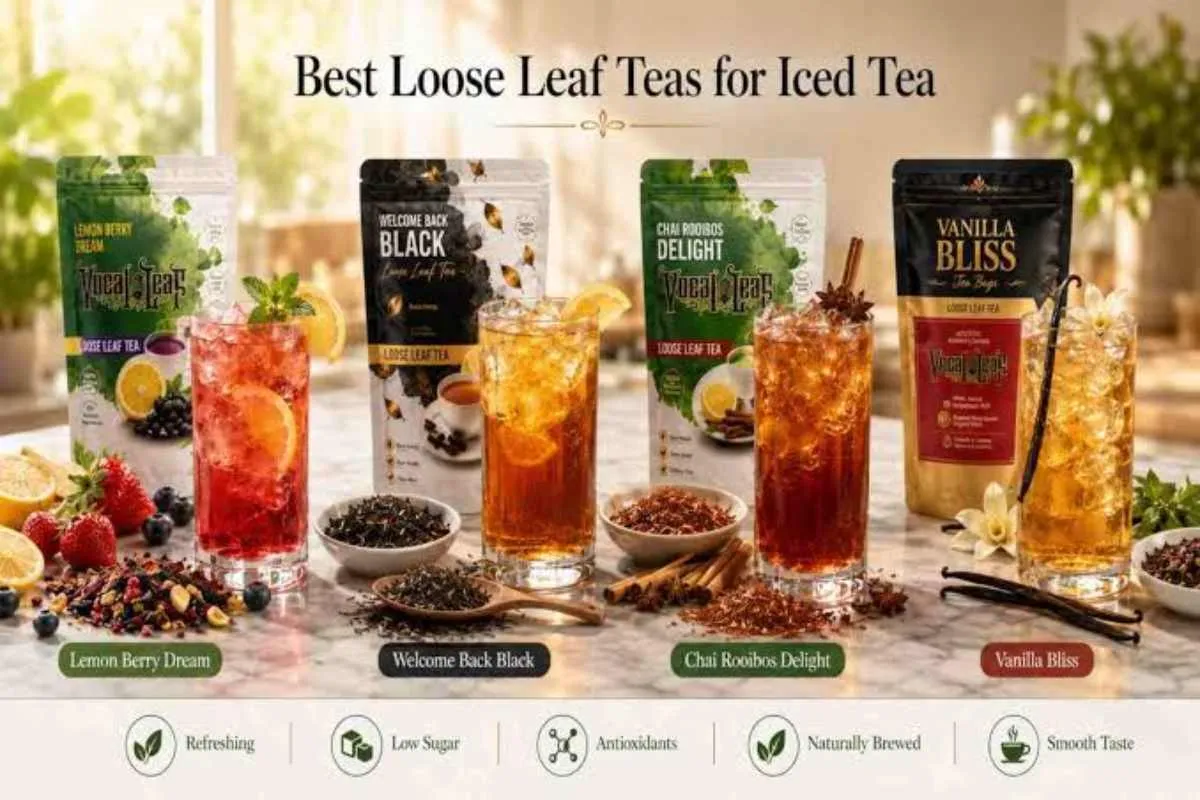
Vocal Leaf designs every blend around the needs of people whose voice is central to their work, including singers, teachers, and podcast hosts. Rather than offering a sprawling catalog, the brand keeps its lineup to four focused loose leaf blends, each built for a soothing, unhurried cup between sessions. As a Vocal Tea company, Vocal Leaf treats format as part of the product itself, not just packaging, which is why every blend ships loose rather than pre-bagged. That focus has made the brand a consistent pick among voice professionals looking for something dependable rather than trendy.
Vocal Leaf's current loose leaf lineup includes:
- Lemon Berry Dream — a bright, citrus and berry forward cup
- Organic Loose Leaf Black Tea (Welcome Back Black Tea) — a bold, classic pour
- Organic Rooibos Chai Tea (Chai Rooibos Delight) — a warm, spiced blend
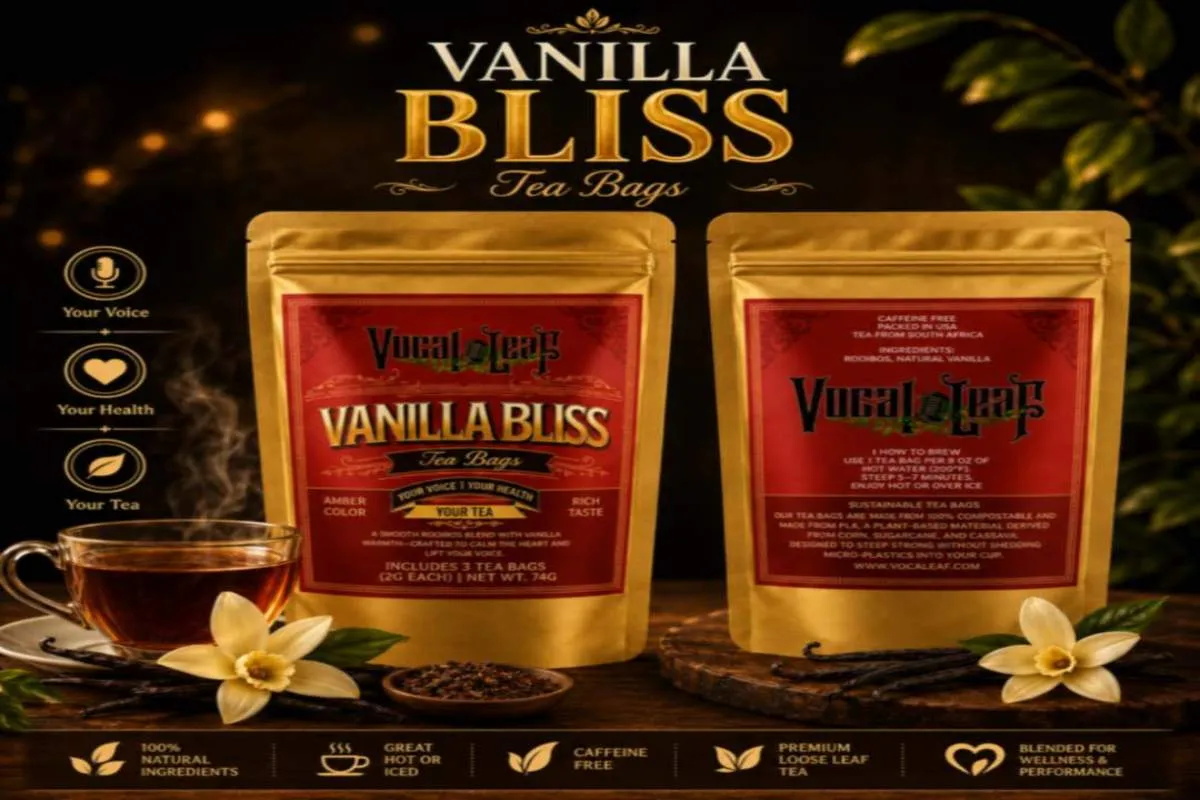
- Vanilla Bliss — a smooth, comforting everyday choice
A Podcaster's Routine
A podcaster who records three episodes back to back has described steeping a cup before each session specifically to keep her voice from tiring out by the final recording. She has mentioned that the slower brewing process itself became part of her pre-recording ritual, not just the drink. Habits like this are a large part of why the brand describes itself as a genuine Vocal Tea built around real, repeatable routines.
Storage Tips That Actually Extend Freshness
Freshness starts fading the moment a bag is opened, so how you store it afterward matters almost as much as the quality of the blend itself. Keeping loose leaf herbal teas in an airtight container away from direct light, heat, and moisture is the single most effective way to slow that decline. Kitchen cabinets away from the stove work far better than a clear jar left on a sunny counter, since both light and heat speed up flavor loss. Treating storage as part of the brewing process, not an afterthought, is what keeps a good blend tasting good until the very last cup.
Spotting Staleness Early
A stale blend usually loses its aroma before anything else, so a noticeably faint smell from the dry leaves is often the first warning sign. Color can dull slightly too, especially in blends built around dried fruit or flower petals. Once the brewed cup starts tasting thin or flat compared to how it used to, it is a reliable signal to replace the bag.
Choosing the Right Blend for You
Picking a blend really comes down to matching flavor preference with purpose, whether that purpose is relaxation, hydration, or simple enjoyment at the end of a long day. Anyone shopping for a genuinely reliable organic loose leaf herbal tea should look past flashy packaging and check the certification, sourcing, and ingredient list first. Comparing a few options side by side, ideally from brands willing to show their sourcing openly, makes the decision easier than guessing from a product photo alone. When you take the time to look for real herbal tea loose leaf transparency rather than marketing claims, the blend you end up with is far more likely to earn a permanent spot in your kitchen.

Final Takeaway
Loose leaf herbal tea rewards a little extra attention with a noticeably better cup, from richer flavor to more visible ingredient quality. The brewing process takes only a few extra minutes compared to a bagged tea, but the difference in the final result is usually worth it. For voice professionals especially, that extra care fits naturally into an existing routine rather than adding one more task to the day. Whether the goal is better taste, cleaner ingredients, or a small daily pause worth keeping, loose leaf is one of the easiest upgrades a tea drinker can make.
Frequently Asked Questions (FAQs)
The questions below cover some of the things readers most often ask before switching tea formats for the first time. Answers are kept short and direct so they are easy to scan or reference quickly. Several of these come up regularly in everyday conversations about tea habits and routines. Each one is meant to clear up a specific point of confusion without extra filler.
Does steeping longer always make tea stronger?
Steeping longer generally increases strength up to a point, but leaving leaves in too long can eventually turn a brew bitter rather than simply stronger. Most blends reach their peak flavor somewhere between eight and twelve minutes. Tasting partway through the steep is the easiest way to catch that peak before it passes.
Is it normal for herbal blends to smell different from how they taste?
Yes, aroma and flavor do not always match exactly, since some aromatic compounds are more volatile and noticeable by smell than by taste. A blend can smell strongly of fruit while tasting more subtly of it in the cup. This is completely normal and not a sign that anything is wrong with the blend.
Can the same leaves be steeped more than once?
Many botanicals can be steeped a second time, though the resulting cup is usually milder than the first. Extending the steep time slightly on the second round can help compensate for the lighter flavor. A third steep is possible with some blends but often produces a noticeably weaker result.
Do herbal blends need to be refrigerated after opening?
No, dry loose leaf blends do not need refrigeration and are best kept at room temperature in a sealed, airtight container. Refrigeration can actually introduce unwanted moisture when the container is opened and closed repeatedly. A cool, dark cabinet is the more reliable storage choice.
What is the easiest way to measure a single serving without a scale?
A standard teaspoon works fine for most everyday brewing and does not require any special equipment. Rounded rather than level teaspoons tend to produce a fuller-bodied cup for most blends. Adjusting slightly up or down after the first attempt is the simplest way to land on a preferred strength.
























Sign in to leave a comment.