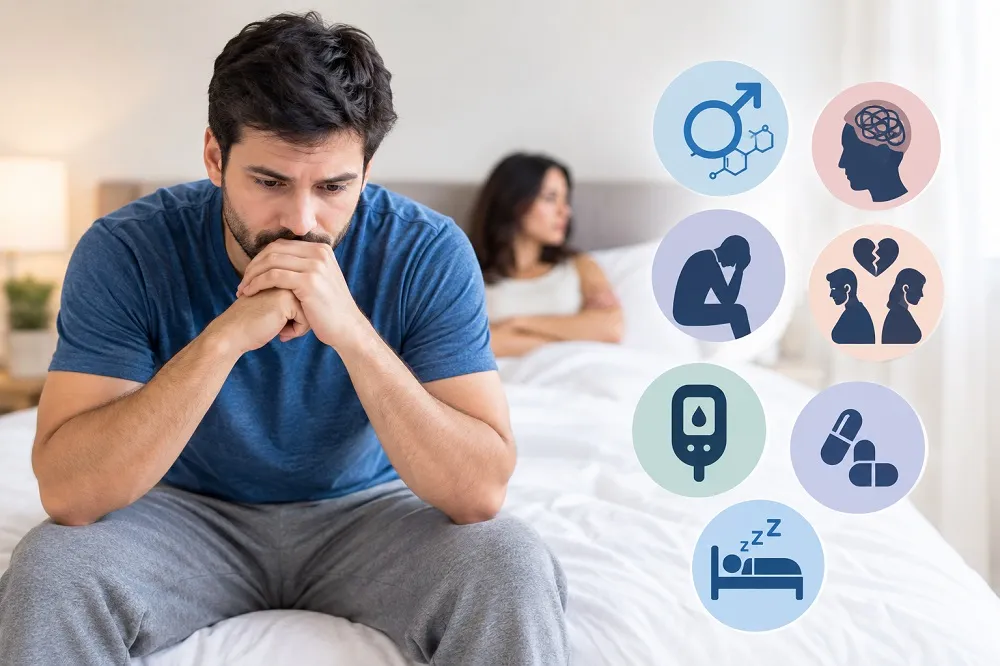

A healthy sex drive can vary from person to person. Some men naturally have a lower level of sexual desire, while others notice a sudden or lasting decrease in interest in sex. When low sexual desire starts affecting confidence, relationships, or overall quality of life, it may be worth understanding what is causing it.
Low libido is not always linked to age. Stress, hormonal changes, certain health conditions, medications, lifestyle habits, and emotional concerns can all influence sexual desire. The good news is that many causes can be identified and managed with the right approach.
If low sexual desire continues for several weeks or starts affecting your relationship, consulting a Best Sexologist in Delhi can help identify possible underlying factors and guide you toward suitable treatment.
What Is Low Libido in Men?
Low libido refers to a noticeable or persistent decrease in sexual desire. It may appear gradually or happen suddenly. Some men may experience a reduced interest in sexual activity, while others may have sexual thoughts or desire much less often than before.
Low libido is different from erectile dysfunction. Erectile dysfunction involves difficulty getting or maintaining an erection, whereas low libido mainly involves a lack of sexual desire. However, the two concerns can sometimes occur together.
Common Causes of Low Libido
1. Low Testosterone Levels
Testosterone plays an important role in male sexual desire. As men age, testosterone levels can naturally change. However, significantly low levels may contribute to reduced libido, tiredness, mood changes, and other symptoms.
A doctor may recommend appropriate tests when hormonal problems are suspected.
2. Stress and Anxiety
Everyday stress can have a major effect on sexual desire. Work pressure, financial concerns, relationship difficulties, or ongoing anxiety can make it difficult to feel interested in intimacy.
When stress continues for a long time, it can affect sleep, mood, hormones, and overall sexual well-being.
3. Depression and Emotional Concerns
Depression can reduce interest in activities that once felt enjoyable, including sex. Low self-esteem, emotional exhaustion, and persistent sadness may also affect intimacy.
Addressing the emotional cause can therefore be an important part of improving sexual health.
4. Relationship Problems
Emotional connection and sexual desire often influence each other. Frequent arguments, communication problems, unresolved conflicts, or a lack of emotional closeness can reduce sexual interest.
Open communication and professional guidance may help when relationship concerns contribute to low libido.
5. Certain Medical Conditions
Some health conditions may affect sexual desire. Diabetes, obesity, thyroid disorders, cardiovascular problems, and other chronic conditions can sometimes contribute to sexual-health concerns.
For this reason, persistent low libido should not always be treated as an isolated sexual problem.
6. Medications
Certain medicines can affect sexual desire as a side effect. These may include some medications used for depression, blood pressure, and other health conditions.
If you suspect that a medication is affecting your libido, speak with your doctor rather than stopping it on your own.
7. Poor Sleep and Lifestyle Habits
Sleep plays an important role in physical and emotional health. Regular sleep deprivation, excessive alcohol consumption, smoking, physical inactivity, and an unhealthy diet may negatively affect sexual well-being.
Simple lifestyle improvements can sometimes make a meaningful difference.
Symptoms You Should Pay Attention To
Low libido may appear alongside other changes, such as:
- Reduced interest in sexual activity
- Fewer sexual thoughts or fantasies
- Reduced sexual satisfaction
- Fatigue or low energy
- Mood changes
- Difficulty maintaining intimacy in a relationship
- Concerns about sexual performance
The presence of one symptom does not necessarily indicate a medical problem. However, persistent or bothersome changes deserve proper evaluation.
How Is Low Libido Diagnosed?
A Best Sexologist in Delhi may begin by discussing your symptoms, lifestyle, emotional well-being, relationship concerns, medical history, and current medications.
Depending on your symptoms, the doctor may recommend certain examinations or laboratory tests, including hormone testing when appropriate. The goal is to understand whether the issue has a physical, psychological, hormonal, lifestyle-related, or combined cause.
A proper evaluation is important because treatment should address the underlying reason rather than simply trying to increase sexual desire temporarily.
Treatment Options for Low Libido
Treatment depends on the cause. There is no single solution that works for every man.
Lifestyle Changes
Improving everyday habits can support sexual health. Helpful changes may include:
- Getting consistent, quality sleep
- Exercising regularly
- Maintaining a healthy weight
- Eating a balanced diet
- Limiting alcohol
- Avoiding tobacco
- Finding healthy ways to manage stress
These changes may take time, but they can support overall physical and sexual well-being.
Hormonal Treatment
If testing confirms a hormonal problem, a doctor may discuss appropriate treatment options. Testosterone-related treatment should only be considered after proper medical evaluation and should not be started without professional guidance.
Psychological Support
When anxiety, depression, stress, or relationship difficulties contribute to low libido, counselling or sex therapy may form part of the treatment plan.
Addressing the underlying emotional concern can help improve both sexual confidence and overall quality of life.
Managing Underlying Health Conditions
If diabetes, thyroid problems, obesity, or another medical condition contributes to low libido, managing that condition may help improve sexual health.
This is why a comprehensive evaluation can be more useful than relying on over-the-counter sexual-health products.
When Should You Consult a Specialist?
You should consider professional advice if your reduced sexual desire:
- Continues for a prolonged period
- Appears suddenly without an obvious reason
- Causes significant distress
- Affects your relationship
- Occurs alongside erectile difficulties
- Comes with fatigue, mood changes, or other physical symptoms
A Best Sexologist in Delhi can help assess the possible causes and recommend an individualized treatment approach.
Low Libido Treatment in Delhi: What Should You Expect?
If you are considering Low Libido Treatment in Delhi, start with a consultation rather than trying random supplements or medicines. A specialist can review your symptoms and medical history and determine whether further evaluation is necessary.
Treatment may involve lifestyle changes, counselling, management of an underlying condition, or medically appropriate treatment for hormonal issues. The right approach depends on the individual.
For anyone seeking Low Libido Treatment in Delhi, choosing a qualified professional and discussing the problem openly can make the process more comfortable and effective.
Can Low Libido Be Prevented?
Not every cause of low libido can be prevented, but healthy habits can support normal sexual function. Regular physical activity, adequate sleep, stress management, a balanced diet, and responsible alcohol use can all contribute to better overall health.
It is also helpful to address medical or emotional concerns early instead of ignoring persistent symptoms.
Final Thoughts
Low libido is a common concern, but it does not mean you have to simply live with it. The cause may be as simple as prolonged stress or poor sleep, or it may involve hormones, medications, an underlying health condition, or emotional factors.
If you are experiencing persistent changes in sexual desire, speaking with a Best Sexologist in Delhi can help you understand what may be contributing to the problem and what treatment options may be appropriate.
With proper evaluation and personalized care, Low Libido Treatment in Delhi can focus on the underlying cause and help support a healthier and more satisfying sex life.




























Sign in to leave a comment.