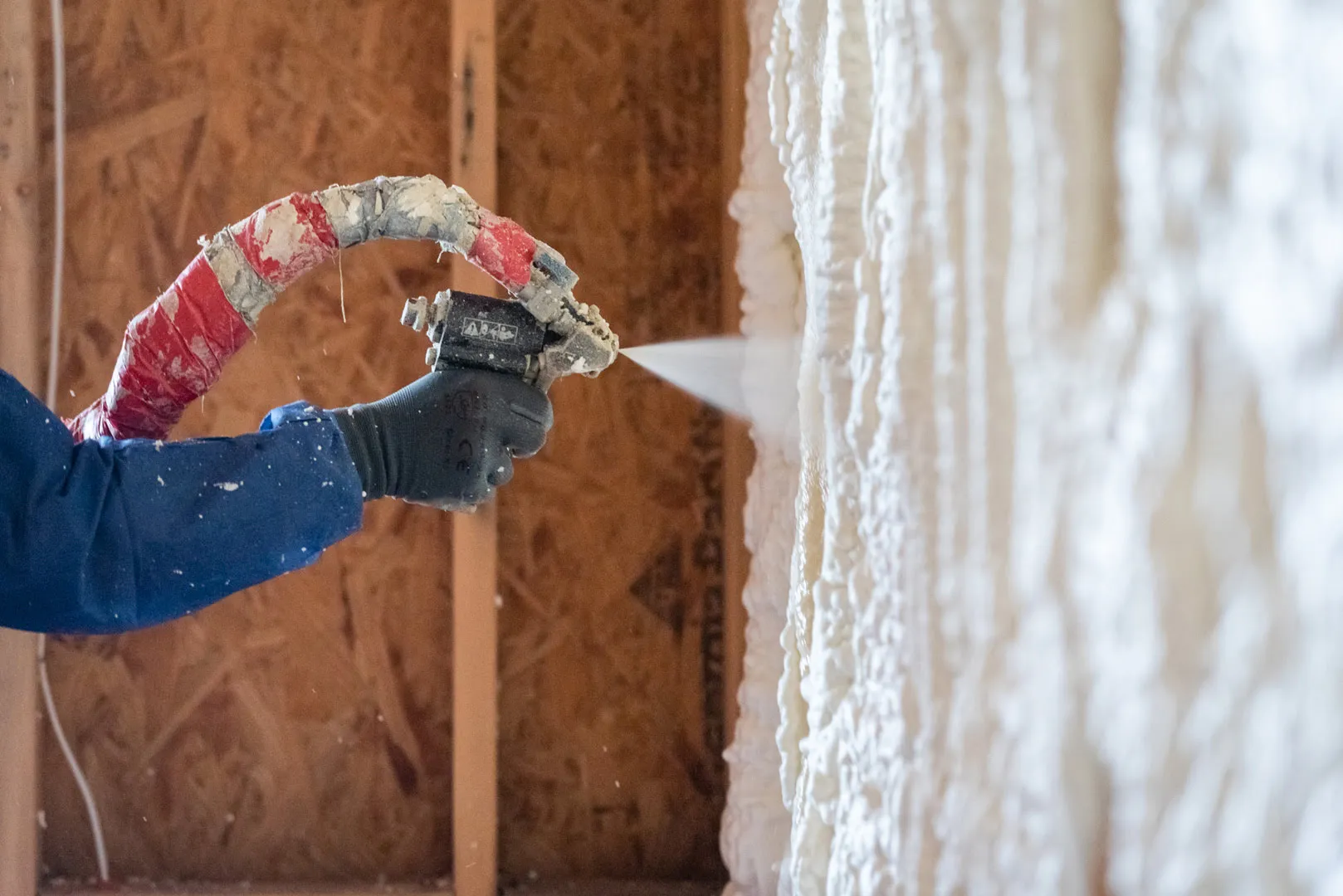
Low-VOC Spray Foam Insulation is a high-performance building material that creates an airtight seal in your property while emitting significantly fewer volatile organic compounds than traditional formulas. By choosing these products, you improve energy efficiency and protect the air you breathe without the heavy chemical odors often associated with older insulation types. This article provides a comprehensive look at how these materials work, their health advantages, and why they are a smart choice for modern construction. Experts who work with these materials daily have seen a sharp increase in demand as people prioritize both comfort and health. A trusted Spray Foam Insulation Contractor ensures proper installation for maximum performance and long-term efficiency.
Selecting the right product for your home or office involves understanding how chemical emissions impact your living space over time. This guide covers the technical details and practical steps needed to make an informed decision for your next project.
VOC levels in spray foam explained
Volatile organic compounds are chemicals that turn into gas at room temperature, often leading to that "new house smell" or strong chemical odors. In the past, spray foam products released these gases for several days or even weeks after application. Modern chemistry has changed this by creating formulas with very low emissions.
When people ask what is low-VOC spray foam, they are referring to products that meet strict testing standards for indoor air. These materials undergo rigorous lab checks to ensure they do not release harmful levels of toxins after the initial curing period. Most high-quality, low-VOC products allow you to return to your property much sooner than traditional foams.
Standard spray foam often requires a 24- to 48-hour vacancy period for safety. In contrast, many low-emission options reduce this time significantly. This speed is a result of advanced water-blown or high-yield formulas that stabilize quickly after they hit the surface.
Health benefits of low-VOC insulation
The primary reason to choose these materials is the direct impact on your physical well-being. Traditional building materials can sometimes trigger allergies, asthma, or headaches due to off-gassing. By installing low-VOC spray foam insulation, you remove one of the largest potential sources of indoor pollutants.
Using safe spray foam insulation materials means your family or employees are not exposed to lingering chemical vapors. This is especially helpful for people with respiratory sensitivities or chemical and odor allergies. The seal created by the foam also prevents outdoor pollutants like smog and car exhaust from entering the building.
Beyond the reduction in chemicals, these foams help prevent the growth of mold and mildew. Mold is a major health hazard that thrives in damp, uninsulated wall cavities. Because spray foam acts as a vapor barrier, it keeps moisture out, further protecting the air quality in your home.

How does insulation affect indoor air quality?
The link between indoor air quality and spray foam insulation is found in the material's ability to block infiltration. Most homes lose a massive amount of air through tiny cracks in the rim joists, attic floor, and wall outlets. This air often brings in dust, pollen, and mold spores from the outside.
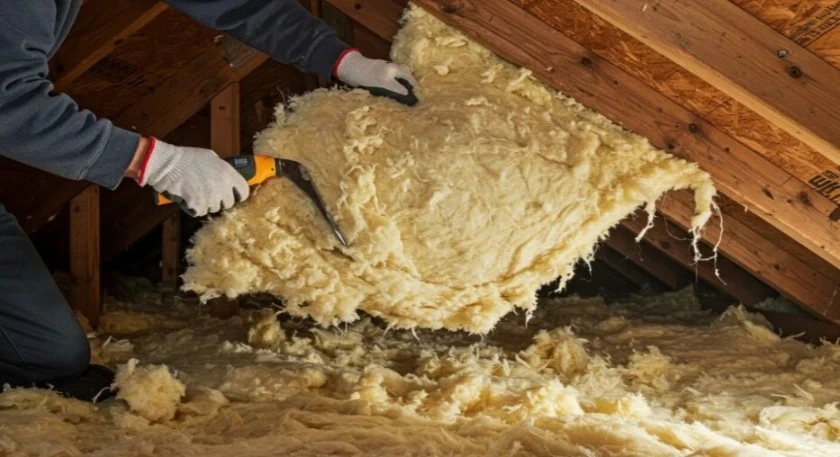
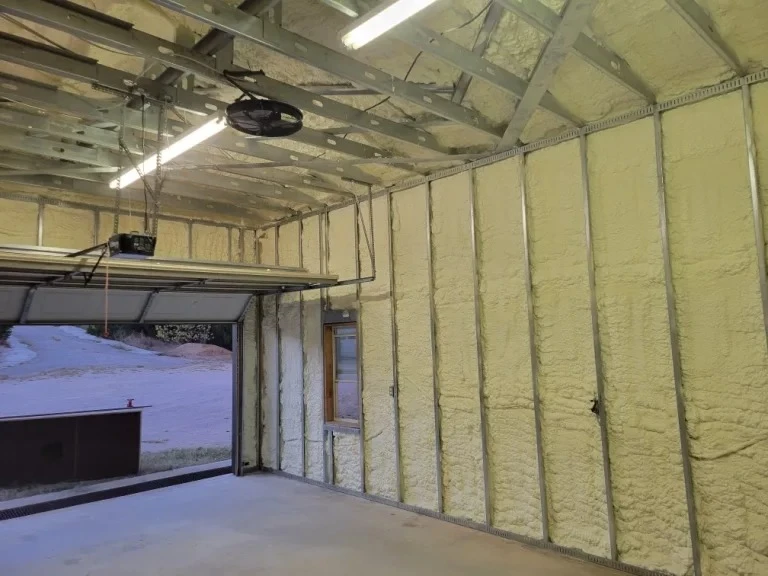
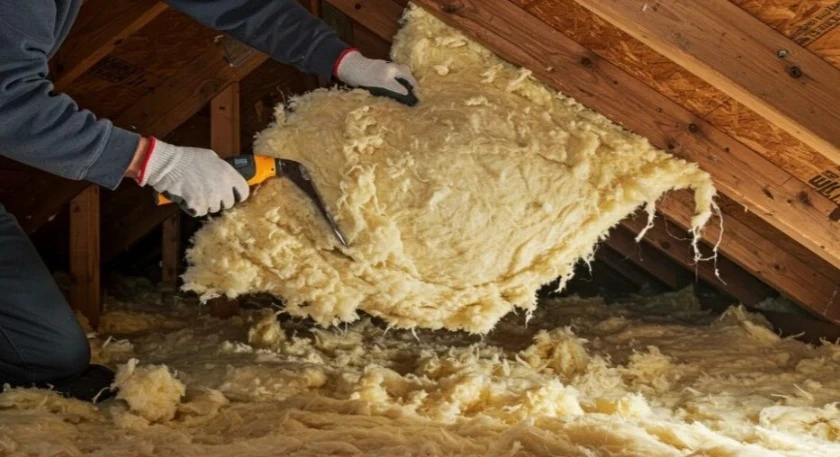
Spray foam expands to fill every tiny gap, creating a custom fit that fiberglass batts or cellulose cannot match. When the foam is a low-emission variety, it provides this air seal without adding its own pollutants to the mix. This creates a controlled environment where your mechanical ventilation system can work more effectively.
Market data shows that indoor air can be two to five times more polluted than outdoor air. By sealing the building envelope with low-emission insulation for buildings, you take control over exactly what enters your breathing zone. This leads to a cleaner, dust-free environment that requires less frequent cleaning.
Technical comparison of common insulation types

Eco-friendly spray foam insulation options
Many property owners are looking for green insulation solutions for residential homes that align with their environmental values. Low-VOC products often use renewable materials, such as soy or vegetable oils, to replace a portion of the petroleum-based chemicals. This reduces the carbon footprint of the manufacturing process.
Another green feature is the blowing agent used to expand the foam. Older products used hydrofluorocarbons, which have a high global warming potential. Newer, eco-friendly spray foam insulation options use water or low-GWP blowing agents that are much kinder to the atmosphere.
- Bonus Tip: Look for Greenguard Gold certification on the product packaging to verify that the insulation meets the highest standards for low chemical emissions in schools and healthcare facilities.
Residential spray foam insulation performance in different climates
If you are researching low-VOC insulation in areas like Bartlett, IL, you likely understand how harsh the winters can be in the Midwest. The extreme temperature swings in Illinois require insulation that does not shrink or lose its R-value when the thermometer drops. Spray foam remains stable and effective even in sub-zero temperatures.
In cold climates, the air-sealing property is just as important as the R-value. When your heater runs, it creates a "stack effect" that pulls cold air in through the basement and pushes warm air out through the attic. High-quality spray foam insulation in Bartlett, IL, stops this cycle, keeping your floors warmer and your energy bills lower.
During the humid summer months, the foam prevents warm, moist air from condensing on your cold interior walls. This prevents the "sweating" that often leads to wood rot and structural damage in older Illinois homes. It is a long-term solution that pays for itself through reduced utility costs and lower maintenance needs.

Choosing safe insulation materials for your project
When choosing safe insulation materials, you should ask the contractor for the Technical Data Sheet and the Safety Data Sheet for the specific product they plan to use. These documents list the VOC content and the recommended safety protocols. A professional team will be happy to explain these details to you.
It is also important to consider the type of foam, whether it is open-cell or closed-cell. Open-cell foam is softer and better for sound dampening, while closed-cell is rigid and provides more structural strength. Both types are available in low-VOC versions, so you can pick the one that fits your building’s structural needs.
- Bonus Tip: Ensure your contractor uses high-pressure equipment that is properly calibrated. If the chemicals are not mixed at the right temperature and pressure, the foam may not cure correctly, which can lead to lingering smells even with low-VOC formulas.
Low-VOC insulation benefits for homes and businesses
Commercial property owners also find great value in low-VOC insulation benefits for homes and offices. In a workplace, good air quality leads to better employee productivity and fewer sick days. It also helps businesses meet LEED certification requirements for sustainable building practices.
For residential owners, the benefit is often felt in the quietness of the home. Low-VOC open-cell foam is an excellent sound barrier. It blocks the noise of traffic, airplanes, and loud neighbors, making your indoor space a peaceful sanctuary.
- Bonus Tip: If you are insulating a nursery or a bedroom for someone with health issues, ask about "ultra-low" VOC options. These are the cleanest products available on the market today and offer the fastest possible re-entry times.
Critical factors to check before starting your insulation project
Before you commit to a specific installation, you must evaluate several factors that influence the success of the job. First, check the ventilation in your attic or crawl space. Even the best low-VOC spray foam insulation requires a managed airflow strategy to keep the building healthy.
Second, consider the age of your structure. Older buildings might have knob-and-tube wiring or other hidden hazards that need to be addressed before the foam is applied. A professional inspection is a required step to ensure the foam does not create a fire hazard or trap moisture against old wood.
Finally, think about the long-term goals for your property. If you plan to stay in the home for many years, the higher initial cost of low-VOC spray foam insulation is easily justified by the health benefits and the massive energy savings. It is an investment in the structural integrity and the habitability of the building.
Why professional installation is necessary for low-emission products
While some people try DIY kits, a professional application is vital for achieving the low-emission results you want. Experts have the training to monitor the chemical reaction as it happens. They ensure the ratio of the two parts is perfect, which is the only way to guarantee the foam cures without excessive off-gassing.
Professional crews also use industrial-grade ventilation fans during the spray process. These fans pull the overspray and initial fumes out of the building, protecting the rest of the house from dust and odors. They understand the local building codes in places like Bartlett, IL, ensuring your project passes all necessary inspections.
Efficient management of your property comfort
Property owners often notice an immediate difference in how their HVAC system runs after a professional spray foam application. Because the house is so well sealed, the air conditioner and furnace do not have to work as hard to maintain a steady temperature. This extends the life of your expensive mechanical equipment.
The consistency of temperature from room to room is another major plus. You will no longer have "cold spots" or drafty corners near windows and doors. This level of comfort, combined with the peace of mind that comes from using safe materials, makes this insulation one of the best upgrades available.
Summary of the value of low-emission foam
Investing in low-VOC spray foam insulation provides a healthier indoor environment and superior thermal protection. It addresses the common concerns of chemical odors while delivering the air-sealing performance that modern property owners expect. By selecting products with low VOC levels, you ensure that your property remains safe, quiet, and energy-efficient for decades. Always verify the certifications of the materials and work with experienced professionals to get the best results for your specific building needs.
Find the right low-VOC insulation solution for your property today
If you want to improve your home’s energy efficiency while maintaining excellent indoor air quality, contacting a professional is the best next step. Spray Foam Tech offers expert guidance on choosing the right materials for your specific needs, whether you are working on a new construction project or upgrading an existing attic. Their team focuses on providing safe, high-performance solutions that help you save money on utilities and create a more comfortable living space. For a free quote and to learn more about their residential and commercial services, you can reach out to them at [email protected] or call (737) 777-9590. You can also visit their location or view their service area via this map: https://maps.app.goo.gl/EGjHWFsjyKuVz28T9
Frequently Asked Questions
Is low-VOC spray foam completely odorless?
While these products have significantly less odor than traditional foam, there is often a faint scent during the application and curing process. However, this smell dissipates much faster, usually within a few hours, leaving the air fresh and clean.
Can I stay in the house while the foam is being sprayed?
It is generally recommended that you leave the property during the actual application. Even with low-VOC formulas, the spraying process creates mist and fumes that require professional safety gear. Your contractor will tell you when it is safe to return.
Does low-VOC insulation cost more than standard spray foam?
There is often a small premium for high-quality, low-VOC products due to the advanced chemistry involved. Most property owners find the extra cost is minimal compared to the long-term health benefits and faster re-entry times.
How do I know if a product is truly low-VOC?
You should look for third-party certifications like Greenguard Gold or SCS Global Services. These organizations perform independent testing to verify the emission claims made by the manufacturers.
Will low-VOC spray foam last as long as traditional insulation?
Yes, the durability and lifespan are identical to standard spray foam. Once cured, the material is highly stable and will not degrade, sag, or lose its insulating properties over the life of the building.
























Sign in to leave a comment.