Madmaheshwar Trek: A Practical Planning Guide for 2026

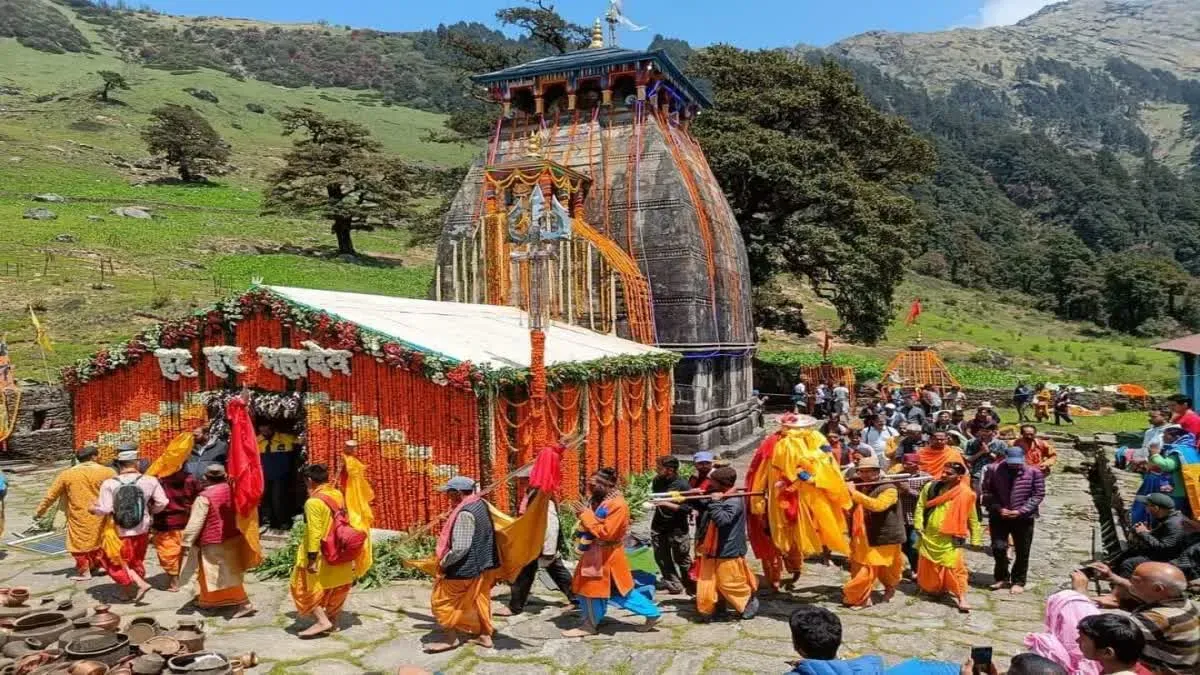
Madmaheshwar trek is a good fit if you want a Himalayan trail with village stays, forest walking, and a quiet shrine at the end, without the crowds of Kedarnath. The route climbs to Madhyamaheshwar Temple at about 3,497 meters in Rudraprayag district, Uttarakhand, the second shrine in the Panch Kedar circuit. This guide skips the history and focuses on planning: who the trek suits, how to structure your days, what to budget for, and how to stay safe.
Is This Trek Right for You?
It suits you if you:
- Have done at least one multi-day trek or are reasonably fit
- Enjoy village stays and forest trails more than technical climbing
- Want a spiritual destination with far fewer visitors than the main pilgrimage routes
Think twice if you:
- Are a complete beginner with no hiking experience
- Have only one or two days free, since this trek needs at least four
- Plan to go in July or August, when monsoon makes the approach roads and trails risky
Madmaheshwar Trek: Key Facts
| Detail | Information |
|---|---|
| Temple altitude | ~3,497 m (11,473 ft) |
| Base village | Ransi, Rudraprayag district |
| Distance | ~16 km one way, ~32 km round trip |
| Duration | 4-6 days including travel |
| Difficulty | Moderate |
| Best seasons | May to June, September to October |
| Road distance from Rishikesh | ~220 km to Ransi |
Figures vary slightly between sources, so confirm the exact starting point with your guide or operator.
Choosing Your Itinerary Length
The 4-Day Version (Fast)
Day 1 is the drive to Ransi, days 2 and 3 are the climb and temple visit, and day 4 is the descent and drive back. It works if you're fit and the weather cooperates, but it leaves no room for delays.
The 5-Day Version (Recommended)
This adds a half day at the temple, usually for a visit to Buda Madmaheshwar, a higher viewpoint with close views of the Chaukhamba range. It also gives you a buffer if rain slows you down. Most trekkers find this the most comfortable pace.
The 6-Day Version (Relaxed)
An extra day for rest, photography, and flexibility. It's a smart choice during shoulder seasons, when weather can shift quickly, or if you're traveling with family or older companions.
Route Overview
The trail runs from Ransi through a chain of small settlements, then up into alpine meadows:
Ransi → Gaundhar → Bantoli → higher forest and meadow stretches → Madhyamaheshwar Temple
You'll pass through small hamlets along the way, such as Khatara and Nanu Chatti, though names and stopping points can differ by operator. The first day on foot is a gradual warm-up. The second is the long climb, where forest gives way to open meadows and the temple appears near the end.
Budget Planning
Costs vary widely depending on whether you go independently or with an operator, so use this as a checklist rather than a price list:
- Transport to Ransi: Shared jeeps and buses are cheapest, while a private taxi from Rishikesh or Haridwar costs more but saves time.
- Stays: Homestays and basic guesthouses along the route are affordable, and many include simple meals.
- Guide or porter: Optional but useful, particularly on the long climb day.
- Food: Meals are basic and priced higher as you go up, so carry some snacks.
- Permits and fees: Check current requirements locally, since rules and fees can change.
- Extras: Gear rental, travel insurance, and a cash buffer, since ATMs are limited beyond main towns.
If you book through an operator, compare the inclusions line by line, especially transport, meals, guide, and what happens if weather delays the trek.
When to Go
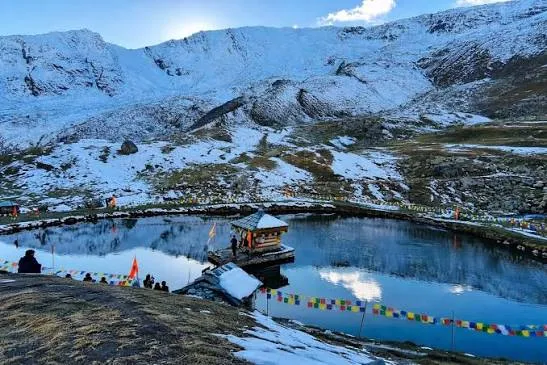
The temple is closed in winter and the deity is moved to a lower shrine, so you can only visit during the open season.
- May to June: The temple reopens, snow clears, and weather is pleasant. Popular, but still quieter than most Himalayan routes.
- July to August: Monsoon brings slippery trails and landslide risk. Best avoided.
- September to October: Clear skies and stable weather. Many trekkers consider this the sweet spot.
- November to April: Heavy snow and temple closure make the trek unsuitable for most visitors.
Opening dates change slightly each year, so check the current schedule before booking travel.
Getting There
Ransi is reached by road from Rishikesh or Haridwar via Devprayag, Srinagar, Rudraprayag, Augustmuni, Guptkashi, and Ukhimath. The drive takes 8 to 9 hours, so many travelers break it with a night in Guptkashi or Ukhimath. Shared jeeps and buses run to Ukhimath and Guptkashi, with local vehicles covering the last stretch to Ransi. The nearest railway stations are Rishikesh and Haridwar, and the nearest airport is Jolly Grant near Dehradun.
Fitness and Preparation
You don't need to be an athlete, but you do need stamina for the long climb day. A few weeks of preparation helps:
- Walk or hike 5 to 8 km regularly, ideally with some uphill
- Practice with the shoes and backpack you'll use on the trek
- Build leg strength with stairs, squats, and lunges
- Stay hydrated and sleep well in the days before departure
Because the temple sits above 3,400 meters, pace yourself and don't ignore headaches, nausea, or unusual fatigue.
Safety Tips
- Start early each day, since mountain weather tends to turn in the afternoon.
- Don't push through altitude symptoms. Rest, hydrate, and descend if they worsen.
- Check the forecast and road updates before leaving Rishikesh, as landslides can block routes.
- Carry a basic first aid kit and any personal medication.
- Share your itinerary with someone, since mobile network is patchy beyond Ransi.
- Avoid trekking after dark. The trail has steep sections and loose rock.
What to Pack
- Broken-in trekking shoes with good ankle support
- Warm layers, a windproof jacket, and a warm hat for cold nights
- Rain jacket or poncho and a backpack rain cover
- Trekking poles for the steep climb and descent
- Headlamp or torch with spare batteries
- Reusable water bottle and purification tablets
- Energy snacks and electrolyte mix
- Sunscreen, sunglasses, and a cap
- Cash in small notes
- A bag to carry your trash back down
Etiquette at the Shrine
Madhyamaheshwar is an active pilgrimage site. Dress modestly, keep noise down, follow the guidance of the temple priest, and ask before photographing inside. The trail passes through working villages, so greet locals, buy from small shops where you can, and avoid leaving litter behind.
Frequently Asked Questions
How long is the Madmaheshwar trek?
About 16 km one way from Ransi, roughly 32 km round trip, usually completed in 4 to 6 days including travel.
Is the Madmaheshwar trek suitable for beginners?
It's rated moderate, so first-timers with decent fitness can manage it, especially with a guide and a 5 or 6 day plan.
What is the best month for the Madmaheshwar trek?
May to June and September to October offer the most reliable conditions.
Do I need a guide?
The trail is generally clear, but a guide helps with route finding, pacing, and bookings, particularly outside peak season.
Is there mobile network on the trek?
Coverage is patchy beyond Ransi and often unavailable near the temple.
Can I visit Madmaheshwar in winter?
The temple closes for winter and the route is snowbound, so it isn't practical for most trekkers.
Final Thoughts
The Madmaheshwar trek rewards planning more than speed. Pick a 5 or 6 day itinerary, travel in the right season, pack for cold nights, and keep a buffer for weather. Do that, and you'll get a quiet, scenic walk to one of Uttarakhand's most peaceful shrines.






Sign in to leave a comment.