

Maintaining consistent product quality requires carefully controlled separation processes, especially when processing sensitive materials or applications with strict purity requirements. In such environments, equipment reliability directly affects productivity, operating stability, and final product consistency. High purity distillation systems are designed to support demanding separation processes where contamination, temperature variation, pressure instability, or equipment deterioration can influence results. Regular maintenance helps preserve the performance of these systems while reducing unexpected interruptions. A structured maintenance approach also supports safer operation, improves equipment longevity, and helps processing facilities maintain repeatable conditions throughout extended production cycles.
Understanding High Purity Distillation Systems
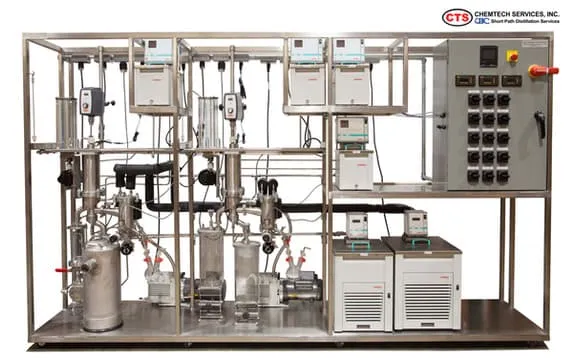
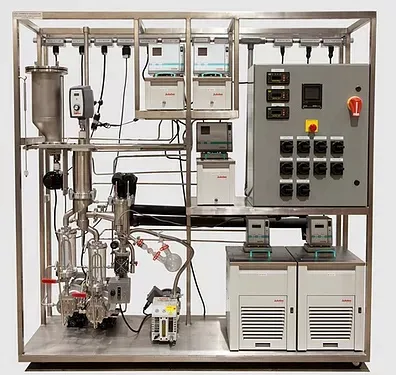
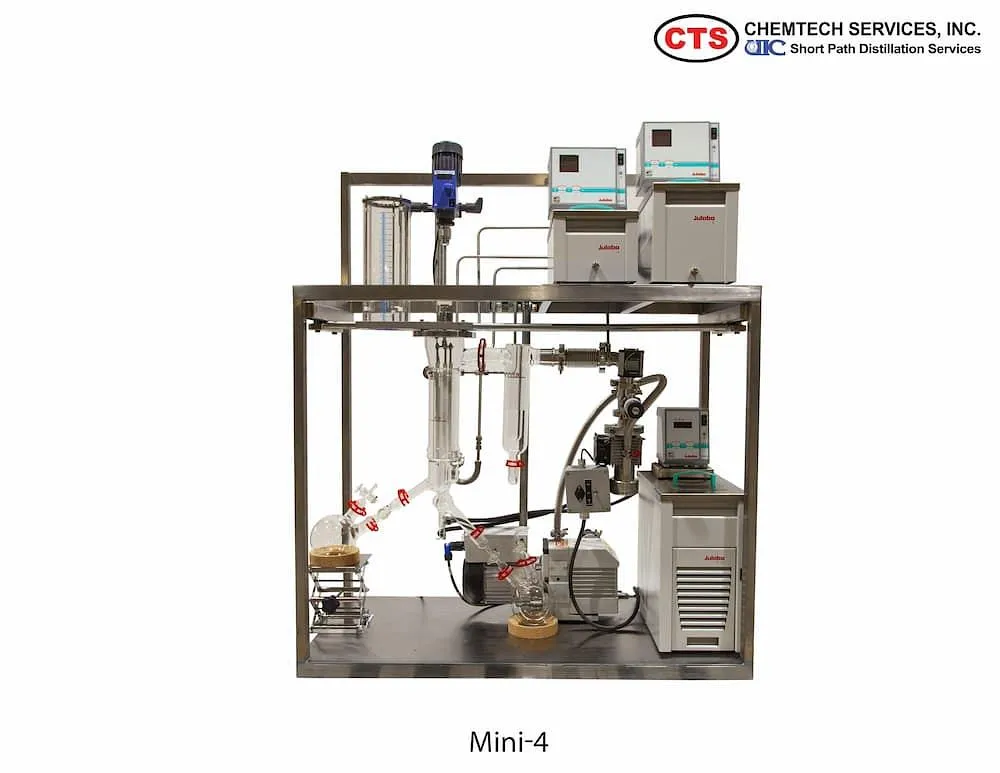
High purity distillation systems are used when separation processes require precise control over temperature, pressure, residence time, and vapor-liquid contact. Their performance depends on the coordinated operation of heating surfaces, condensers, vacuum equipment, receivers, pumps, valves, and instrumentation. Even a minor decline in one component can affect the overall separation process. Maintenance therefore needs to address the complete system rather than individual components alone. Regular inspection allows operators to identify developing issues before they create significant changes in throughput, product purity, energy consumption, or operating stability during demanding processing applications.
Importance of Purity Control
Purity control is one of the primary reasons specialized distillation equipment requires consistent maintenance. Residual material, degraded seals, contaminated surfaces, or inadequate cleaning can introduce unwanted substances into a process stream. These issues can become especially important when the equipment handles different materials between production cycles. Maintaining clean product-contact surfaces helps reduce cross-contamination risks and supports consistent separation results. Proper maintenance also allows operators to identify deposits, corrosion, or surface damage that could affect product quality. A controlled maintenance program therefore contributes to both equipment reliability and the repeatability required in high-purity processing operations.
Role of Controlled Operating Conditions
Stable operating conditions are essential for achieving predictable distillation results. Temperature, pressure, feed rate, heating intensity, and condenser performance can influence vaporization and condensation behavior throughout a system. Maintenance activities should ensure that sensors, control valves, vacuum components, and heating elements continue operating within their intended ranges. A malfunctioning instrument may provide inaccurate readings and cause operators to make inappropriate process adjustments. Routine calibration and inspection help maintain dependable process information. When operating conditions remain stable, the equipment can perform more consistently, while maintenance teams can identify deviations before they develop into larger operational problems.
Key Maintenance Considerations
A comprehensive maintenance program should consider every major component involved in the distillation process. Heating assemblies require inspection for scaling, residue, and uneven heat transfer, while condensers should be checked for fouling and restricted flow. Vacuum systems require attention to pumps, seals, valves, and connections because even small leaks can reduce process efficiency. Receivers and product-contact surfaces should also be inspected for contamination or physical deterioration. By examining these areas systematically, maintenance teams can detect performance changes early. This approach supports dependable operation and reduces the possibility of unexpected equipment stoppages during scheduled production.
Heating Surfaces and Heat Transfer
Heating surfaces play an important role in maintaining consistent vaporization throughout a distillation process. Deposits or residue on these surfaces can create thermal resistance, making heat transfer less efficient and potentially increasing energy requirements. Uneven heating may also affect separation consistency, particularly when processing temperature-sensitive materials. Maintenance teams should inspect heating surfaces according to operating conditions and material characteristics. Cleaning procedures should remove accumulated deposits without damaging critical surfaces. Monitoring heating performance over time can also reveal gradual changes that may indicate fouling or component deterioration before they significantly affect overall system productivity.
Vacuum Systems and Seals
Vacuum performance is particularly important in applications where reduced pressure supports lower processing temperatures or improved separation of sensitive compounds. Vacuum pumps, seals, gaskets, valves, and connections should therefore receive regular attention. Small leaks can gradually reduce vacuum stability and force equipment to operate longer to reach the desired pressure. Worn seals may also allow air infiltration that affects process conditions. Preventive inspection helps identify deteriorated components before they create larger problems. Maintaining dependable vacuum performance supports stable processing conditions, protects product quality, and contributes to efficient operation during repeated production cycles.
Material Compatibility and Cleanliness
Material compatibility is another important maintenance consideration because process fluids can interact with equipment surfaces over time. Chemical exposure, elevated temperatures, and repeated cleaning cycles may contribute to corrosion, surface degradation, or changes in component condition. Maintenance personnel should verify that product-contact surfaces remain suitable for the materials being processed. Cleanliness is equally important because residual compounds can influence subsequent batches. Appropriate cleaning procedures should consider equipment materials, process chemistry, and residue characteristics. Careful maintenance helps preserve surface integrity while reducing contamination risks and supporting consistent performance across different processing applications.
Preventing Contamination
Contamination can occur when residues remain in receivers, piping, condensers, valves, or other product-contact areas after processing. It can also develop when cleaning procedures are incomplete or when components are replaced without adequate preparation. Maintenance programs should establish clear cleaning and inspection requirements for areas that directly contact process materials. Operators can document cleaning activities and verify equipment condition before beginning subsequent production cycles. Special attention should be given to hard-to-reach surfaces where residue may accumulate. Consistent contamination control supports product quality and reduces the likelihood of unexpected deviations during high-purity processing.
Cleaning Procedures
Cleaning procedures should be selected according to the equipment design and the materials being processed. Excessive mechanical force or unsuitable cleaning agents can damage seals, surfaces, or sensitive components, while insufficient cleaning may leave deposits behind. Maintenance personnel should follow established procedures that specify appropriate cleaning methods, inspection points, and component handling requirements. Where practical, equipment should be inspected after cleaning to confirm that residues have been removed. Consistent cleaning practices can reduce fouling, support reliable heat transfer, and help maintain sanitary or purity-related requirements when the application demands carefully controlled processing conditions.
Instrumentation and Process Monitoring
Instrumentation provides operators with information needed to control critical process conditions. Temperature sensors, pressure gauges, vacuum transmitters, flow meters, and other monitoring devices should be inspected and calibrated at suitable intervals. A sensor that gradually becomes inaccurate can cause process conditions to drift without providing an obvious mechanical warning. Maintenance teams should compare instrument readings with established references and investigate unusual variations. Proper instrumentation maintenance improves confidence in process data and supports more reliable decision-making. Accurate monitoring also makes it easier to identify equipment deterioration, abnormal operating behavior, and developing maintenance requirements before production is significantly affected.
Temperature and Pressure Sensors
Temperature and pressure measurements are especially important in distillation because they directly influence vaporization, condensation, and separation behavior. Sensors should remain properly positioned, clean, and calibrated according to their intended application. Damaged wiring, blocked sensing points, or calibration drift can produce inaccurate information. Regular inspection helps confirm that instruments respond appropriately under operating conditions. Maintenance teams should also review historical readings because gradual changes may indicate developing problems. Reliable temperature and pressure measurements allow operators to maintain stable process conditions and provide useful information when troubleshooting equipment performance or investigating variations in product quality.
Preventive Maintenance Planning
Preventive maintenance helps facilities move from reactive repairs toward planned equipment care. A maintenance schedule can identify routine inspection intervals for pumps, seals, valves, heating surfaces, condensers, receivers, vacuum equipment, and instrumentation. The frequency of each activity should reflect operating hours, process conditions, material characteristics, and manufacturer recommendations where applicable. Maintenance records can be used to identify components that repeatedly require attention. This information supports better planning of inspections and replacement activities. A structured program reduces unexpected interruptions while helping processing facilities allocate labor, spare parts, and production downtime more effectively.
Spare Parts Management
Maintaining suitable spare parts can reduce delays when components require replacement. Frequently serviced items such as seals, gaskets, valves, filters, sensors, and pump-related components should be evaluated based on their importance to continuous operation. Storage conditions should protect spare parts from contamination, moisture, physical damage, or deterioration. Maintenance teams should also maintain accurate records of installed components and replacement history. Proper spare parts planning allows necessary repairs to be completed more efficiently. It also reduces the risk of extended downtime caused by waiting for commonly required components during unexpected maintenance situations.
Managing Fouling and Deposits
Fouling is a common maintenance concern because accumulated material can reduce heat transfer, restrict flow paths, affect vacuum performance, and interfere with product-contact surfaces. The rate of fouling depends on feed composition, operating temperature, residence time, and processing conditions. Maintenance teams should monitor equipment performance for signs such as increasing energy consumption, declining throughput, unstable pressure, or changes in temperature behavior. Early recognition allows cleaning or inspection to occur before deposits become difficult to remove. Effective fouling management helps preserve equipment efficiency and supports consistent operation throughout repeated processing cycles.
Recognizing Performance Changes
Changes in equipment performance can provide useful indications of developing maintenance requirements. A gradual increase in vacuum pump operating time, reduced condenser efficiency, slower heating response, or unusual pressure fluctuations may indicate component deterioration or fouling. Operators should document these changes rather than treating them as isolated process variations. Comparing current operating data with historical performance can help maintenance teams identify trends. Early investigation can prevent relatively minor issues from developing into major equipment failures. Systematic performance monitoring therefore complements routine maintenance and provides additional protection against unexpected disruptions during specialized distillation operations.
Maintenance Safety Considerations
Maintenance activities on distillation equipment can involve hot surfaces, vacuum conditions, chemical residues, pressurized utilities, electrical connections, and moving components. Appropriate shutdown and isolation procedures should therefore be completed before inspection or repair work begins. Equipment should be allowed to reach safe temperatures, pressure should be properly released, and relevant energy sources should be isolated according to established safety procedures. Personnel should use suitable protective equipment and follow site-specific requirements. Safe maintenance practices protect workers while also reducing the possibility of accidental equipment damage during cleaning, inspection, component replacement, or troubleshooting activities.
Shutdown and Inspection Procedures
A controlled shutdown provides an opportunity to inspect equipment without exposing personnel or components to unnecessary risks. Operators should follow established procedures for stopping feed flow, reducing heat input, managing vacuum conditions, and isolating utilities. Once the system reaches a safe state, maintenance personnel can inspect critical areas for deposits, leaks, wear, corrosion, or damaged components. Findings should be documented and evaluated before the system returns to service. This approach creates a consistent transition between production and maintenance activities while helping ensure that identified problems are addressed before they affect subsequent processing cycles.
Documentation and Maintenance Records
Accurate maintenance records provide valuable information for long-term equipment management. Records can include inspection dates, cleaning activities, calibration results, component replacements, observed abnormalities, and corrective actions. Reviewing this information helps maintenance teams identify recurring problems and understand how equipment performance changes over time. Documentation can also support planning for future maintenance intervals and spare parts requirements. When records are maintained consistently, operators have a clearer history of equipment condition and service activity. This improves coordination between production and maintenance teams and supports more organized management of specialized distillation systems.
Conclusion
Reliable maintenance is essential for preserving the performance, cleanliness, and process stability of equipment used in demanding separation applications. Regular inspection, accurate instrumentation, vacuum system care, effective cleaning, preventive maintenance, and proper spare parts management can help reduce operational interruptions and maintain consistent processing conditions. Each component contributes to the overall performance of the system, making a coordinated maintenance strategy important for long-term reliability. Facilities seeking dependable solutions for specialized distillation applications can consider the capabilities and support offered by Chemtech Services, Inc when evaluating equipment and maintenance requirements for their processing operations.






















Sign in to leave a comment.