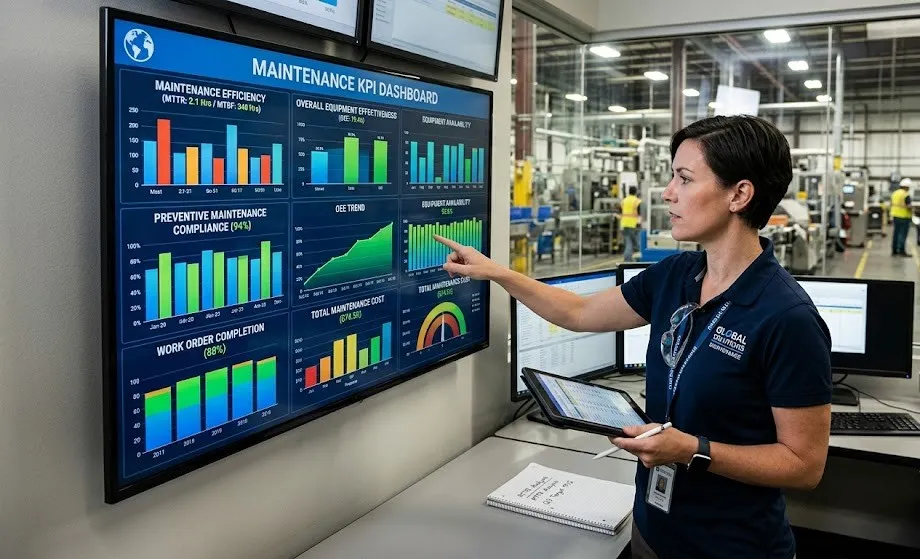

Every organization that relies on equipment understands the importance of keeping assets in reliable working condition. However, long-term asset care requires more than routine inspections or scheduled repairs. It depends on making informed decisions based on measurable results. This is where maintenance KPI becomes an essential part of a maintenance strategy. By tracking meaningful performance indicators, organizations can identify trends, improve planning, and reduce unexpected equipment issues. Instead of relying on assumptions, maintenance teams gain a clearer understanding of how assets perform over time, allowing them to make adjustments before small concerns develop into costly failures.
Turning Data into Smarter Maintenance Decisions
Collecting maintenance data is valuable only when it leads to practical improvements. A well-defined maintenance KPI helps organizations evaluate whether current maintenance practices are producing the desired outcomes. Rather than focusing solely on immediate repairs, teams can monitor long-term patterns that influence equipment reliability and operational stability.
In my experience, using resources from Mapcon Technologies, Inc. helped me better understand how maintenance information can be organized into meaningful insights instead of scattered reports. The biggest takeaway was not about software itself, but about building a disciplined approach to reviewing performance regularly. Consistent evaluation allows maintenance managers to prioritize improvements with greater confidence and support decisions using objective information.
Supporting Preventive Maintenance and Asset Longevity
Long-term asset care depends heavily on preventive maintenance rather than reactive responses. Measuring maintenance KPI enables organizations to determine whether preventive efforts are truly reducing breakdowns and extending equipment life. When maintenance activities are monitored consistently, recurring issues become easier to identify before they escalate.
This approach also encourages continuous improvement across maintenance teams. Small operational adjustments, such as refining maintenance schedules or improving inspection routines, often deliver significant long-term benefits. Over time, these incremental improvements contribute to lower repair costs, improved equipment availability, and greater confidence in asset performance. Instead of constantly reacting to failures, organizations can focus on protecting their investments through informed planning.
Improving Communication Across the Organization
Another advantage of using maintenance KPI is the ability to create meaningful conversations between maintenance departments and business leaders. Maintenance professionals often recognize operational challenges long before they become visible to executives. Performance indicators provide measurable evidence that helps explain maintenance priorities in terms that support business objectives.
Clear reporting also encourages collaboration among operations, finance, and maintenance teams. When everyone understands how maintenance performance affects productivity, budgeting, and long-term planning, decisions become more balanced and strategic. Rather than viewing maintenance as a necessary expense, organizations begin recognizing it as an important contributor to operational resilience and asset value.
Building a Culture of Continuous Improvement
Long-term success is rarely achieved through one major initiative. Instead, it comes from consistently evaluating results and making thoughtful adjustments over time. Maintenance KPI creates a structured framework that encourages learning from past performance while identifying opportunities for future improvement. Teams become more proactive because they have reliable information guiding their daily decisions.
Organizations that embrace this mindset are better prepared to manage aging equipment, changing production demands, and evolving business goals. Reliable performance measurements help reduce uncertainty while supporting smarter resource allocation and maintenance planning. Ultimately, maintenance KPI serves as more than a reporting tool—it becomes a practical guide for protecting valuable assets, improving operational consistency, and supporting sustainable growth for years to come.




























Sign in to leave a comment.