

Not every ticket arrives on a phone screen. Many concerts, sports fixtures, theaters, and special exhibitions still ask buyers to collect their passes in person, either at a venue window, a retail counter, or a self-service machine. The process looks easy until you reach the front of a long line and discover that you forgot the one item the staff needed. This guide to Ticket Pickup & Collection explains how the system works, what to bring, and how to avoid the small mistakes that turn a simple errand into a stressful scramble.
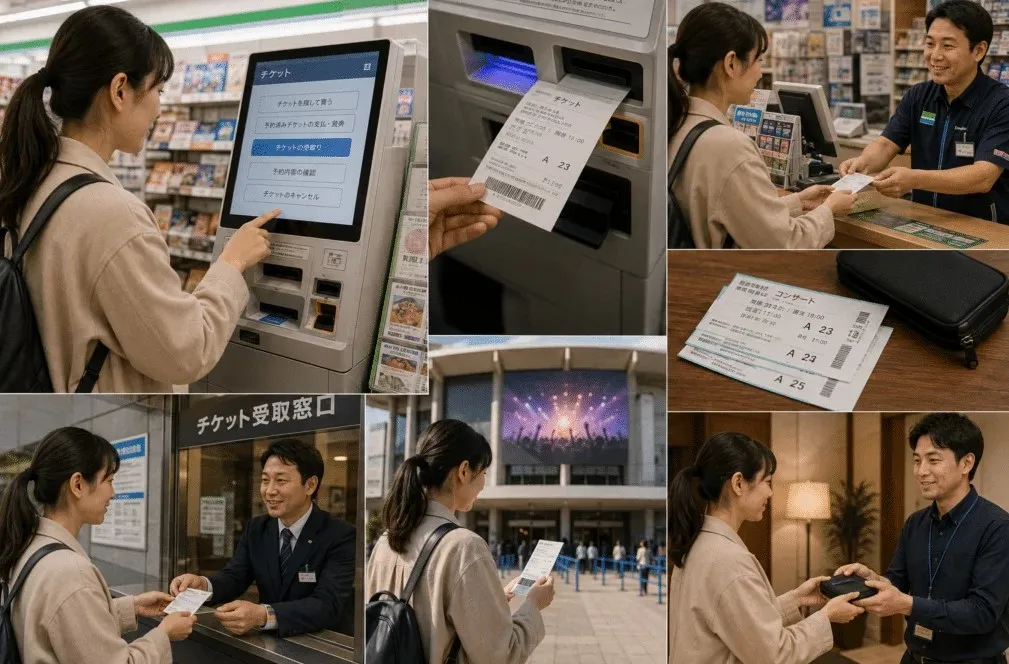
Why Some Tickets Still Need to Be Collected
Organizers choose pickup for good reasons. Physical tickets and wristbands can carry security features that are hard to copy, and handing them over face to face lets staff check identification and prevent resale fraud. High-value events, such as major tours and championship games, often use this method to make sure the person who bought the seat is the person who enters.
Pickup also suits purchases made far in advance or from abroad. A buyer may book months ahead, and the organizer prefers to issue the final ticket closer to the date. Some venues offer collection as an alternative to postal delivery, which removes the risk of a package going astray. Knowing why the system exists makes the rules easier to accept, because each requirement usually protects the buyer as much as the seller.
Understanding Your Ticket Pickup & Collection Options
Before the event, read your confirmation carefully to learn which method applies. A box office window is the most traditional choice, typically open on the day of the event and sometimes for several days beforehand. Convenience stores and retail partners may release tickets through a terminal, where you enter a reference number and print the pass yourself. Some organizers use will-call desks, where staff match your name and identification to the order, while others use lockers or kiosks that dispense tickets after you scan a code.
Each route has its own timing and limits. Some locations stop issuing tickets hours before the event, and some collection points close early on weekends and holidays. A smart approach to Ticket Pickup & Collection begins with checking the exact address, the opening hours, and the deadline, then planning your route and arrival time with a generous buffer. When more than one method is offered, choose the one closest to your home or hotel, since a short trip reduces risk.
Documents and Details You Should Bring
Preparation is the heart of a smooth visit. Bring the confirmation email or order number, either printed or saved on your phone in a form you can open without a signal. Carry the credit card used for the purchase if the organizer requires it, since many will-call systems verify the card as proof of payment. A government-issued photo identification showing the same name as the booking is almost always necessary.
If the order was placed under another person’s name, ask the organizer in advance how to authorize a collector. Some require a signed letter, a copy of the buyer’s identification, and the order number, while others forbid third-party pickup entirely. Never assume that a friend can simply collect for you. For group orders, find out whether the whole party must attend or whether one person can take all the tickets. Writing down the booking reference in two places is a small precaution that can rescue you if a phone dies or an email goes missing.
Timing, Queues, and Choosing the Right Moment
Crowds shape the experience more than anything else. Collection counters are busiest in the hour before the doors open, when hundreds of people arrive at once, and staff work under pressure. Arriving earlier in the day, or collecting a day ahead when that is possible, often means shorter lines and calmer service. If the only option is the day of the event, aim to reach the venue well before your planned entry time so that any hiccup can be handled without panic.
Plan for the unexpected. Traffic, transport delays, and unfamiliar buildings all consume time. Look at a map of the venue ahead of time and note which entrance houses the collection point, because it may differ from the main gate. Anyone managing Ticket Pickup & Collection for a group should agree on a meeting spot and a backup plan, so nobody wanders around while the show begins. Patience helps too. Staff are usually doing their best, and a polite attitude often leads to quicker and friendlier help.
What to Check Once You Have the Tickets
Never walk away from the counter without inspecting what you received. Confirm the event name, date, time, section, row, seat, and the number of tickets, and compare them with your order. If something looks wrong, speak up immediately, because errors are much easier to fix while you are still standing at the desk. Check that wristbands fit properly and that any accompanying vouchers or parking passes are included.
Store the tickets safely. Keep them in a flat folder or a secure pocket so that they do not bend or get wet, since damaged barcodes may fail to scan. Take a clear photo of each ticket as a personal record, but avoid posting it online, because others could copy the code. Treat Ticket Pickup & Collection as the moment when an electronic reservation becomes a real asset, and protect it accordingly. If the tickets are for several people, hand them out right away so that everyone is responsible for their own entry.
Solving Problems at the Counter
Occasionally, the system cannot find your order. Stay calm and double-check the spelling of your name, the email used, and the reference number. Ask the staff to search by other details, such as the card number or phone number. If the order was placed through a third-party seller, contact that company at once, because the venue may not have a record of it.
When a ticket has been lost, stolen, or already collected by someone else, report it to the venue immediately and bring any evidence of purchase. Many organizers can reissue a pass after verifying your identity, though they may charge a fee or require extra time. Avoid buying a replacement from a stranger outside the venue, since this is a common scam. If the staff cannot resolve the issue, ask politely for a supervisor and explain the situation clearly. Keeping messages and receipts organized gives you a strong position and speeds up any investigation.
Conclusion
Collecting tickets in person is simple when you prepare a little. Read the instructions, bring the right documents, choose a sensible time, and inspect everything before you leave the desk. These steps take minutes, yet they prevent the most common problems that spoil the start of an event.
The methods may change as technology advances, with more kiosks, lockers, and mobile pickup options appearing over time. The basic principles will stay the same. Know where to go, carry proof, allow extra time, and stay courteous. Anyone who follows these habits will find that Ticket Pickup & Collection becomes a quick and almost forgettable task, which is exactly how it should feel, leaving all your energy for the event itself.



















Sign in to leave a comment.