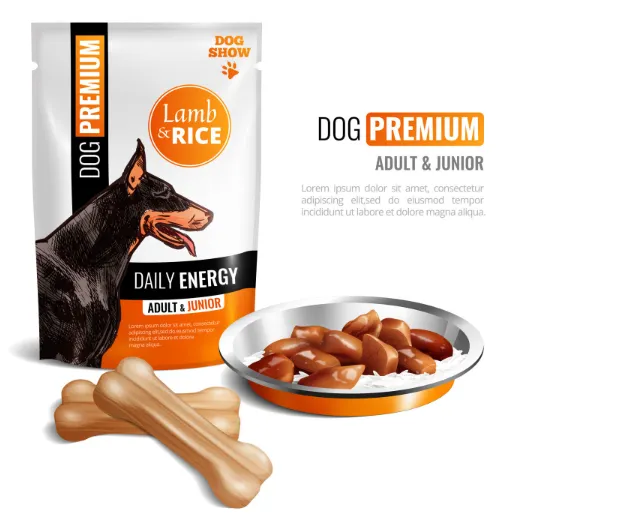

Managing your dog’s weight involves more than simply reducing the amount it eats. When reviewing your dog’s dog food and daily routine, it is important to consider whether its overall diet continues to provide the nutrients it needs.
A healthy weight can support your dog’s comfort, mobility, and general well-being. However, making sudden or unnecessary dietary changes may create other concerns.
Start With Body Condition
Body weight alone does not always provide a complete picture. A veterinarian can assess your dog’s body condition and consider factors such as muscle tone, body shape, age, and breed.
This can help determine whether a change in feeding habits is actually needed.
The goal is appropriate weight, not simply a lower number.
Consider Your Dog’s Nutritional Needs
Dogs have different nutritional needs as per their age, size, activity level, and overall health. A growing puppy, active adult, and older dog may need different approaches to daily feeding.
When portions are reduced, it is important to consider whether the diet still provides enough essential nutrients.
Weight management should not mean nutritional compromise.
Review Portion Sizes
Portion control can play an important role in maintaining a healthy weight. Feeding guidelines provide a useful starting point, but individual needs can vary.
Treats, chews, table scraps, and other extras also contribute to daily calorie intake. Looking at everything your dog receives can give you a clearer picture of its routine.
Small additions can become significant over time.
Keep Treats in Perspective
Treats can be part of a balanced routine, but they should be considered alongside regular meals. Frequent rewards may add more calories than expected, particularly when portions are not measured.
Using smaller treats or adjusting the amount given during training may help maintain a more suitable daily intake.
Consistency matters more than restriction.
Support Regular Activity
Nutrition is only one part of weight management. Regular movement can help your dog maintain muscle and support an active lifestyle.
The right amount of activity depends on age, breed, fitness level, and health. Some dogs may benefit from longer walks, while others may need shorter or gentler activities.
Choose a movement that suits your dog.
Look at the Whole Daily Routine
Weight can be influenced by more than the main meals. Activity levels, treats, feeding frequency, and changes in household routines can all affect your dog’s overall energy intake.
Consider how much your dog receives throughout the day rather than focusing on one meal. Measuring portions consistently can also make it easier to recognize gradual changes and discuss them with your veterinarian.
It can also help to regularly observe your dog’s body condition. Changes may happen slowly and can be difficult to notice from day to day. Paying attention to mobility, body shape, and general activity can provide useful context.
Small adjustments may be more appropriate than major restrictions. The aim is to support a suitable body condition while continuing to meet your dog’s nutritional needs.
The entire routine deserves consideration.
Avoid Sudden Dietary Changes
It can be tempting to make a major change as soon as you notice weight gain. However, sudden adjustments may make it harder to understand how your dog responds.
If a dietary change is appropriate, introducing it gradually can make the transition easier. Your veterinarian can also help determine whether a specialized diet or feeding plan is suitable.
A gradual approach is often easier to manage.
Monitor Progress Over Time
Weight management usually works best as an ongoing process. Regularly observing your dog’s body condition, appetite, activity, and general comfort can help you recognize whether the current routine is working.
If weight continues to change despite consistent feeding and activity, professional guidance may be useful.
Progress deserves regular review.
Work With Your Veterinarian
Factors beyond portion size or activity can sometimes influence weight gain. Age, medications, underlying health concerns, and lifestyle changes may all be relevant.
A veterinarian can review these factors and recommend an approach that supports both weight control and adequate nutrition.
Good management considers the whole dog.
Bringing It All Together
Managing your dog’s weight does not require removing everything it enjoys or making drastic changes. A thoughtful routine considers portion sizes, treats, activity level, life stage, and overall nutritional requirements. When reviewing dog food, focus on the complete diet rather than simply choosing a lower-calorie option without considering nutrient intake. With regular observation and appropriate guidance, weight management can remain a practical part of everyday care.




























Sign in to leave a comment.