
Some parts of the Amazon are visited by thousands of people a year. The Reserved Zone of Manu National Park is not one of them. Access is limited, the forest is largely undisturbed, and the days are measured by river bends and bird calls rather than sightseeing stops.
If you have been searching for Manu Reserved Zone tours, this guide explains what the zone is, what you can realistically see, and how to plan the trip. It is written with the team at Manu Rainforest Peru, a local operator focused on guided journeys into the Manu region.
What Is the Manu Reserved Zone?
Manu National Park is divided into zones with different levels of access. The Reserved Zone is the section set aside for low-impact, controlled tourism and research. Visitors can enter only through authorised operators, with licensed guides and within set limits.
The wider park is a UNESCO World Heritage Site and covers a remarkable range of habitats, from Andean cloud forest down to lowland rainforest. You can read more about its status on the UNESCO World Heritage page for Manú National Park.
That controlled access is why a Manu reserve tour feels so different from a standard jungle lodge stay. Fewer boats, fewer people and quieter trails mean wildlife behaves more naturally.
What You Can Realistically Expect to See
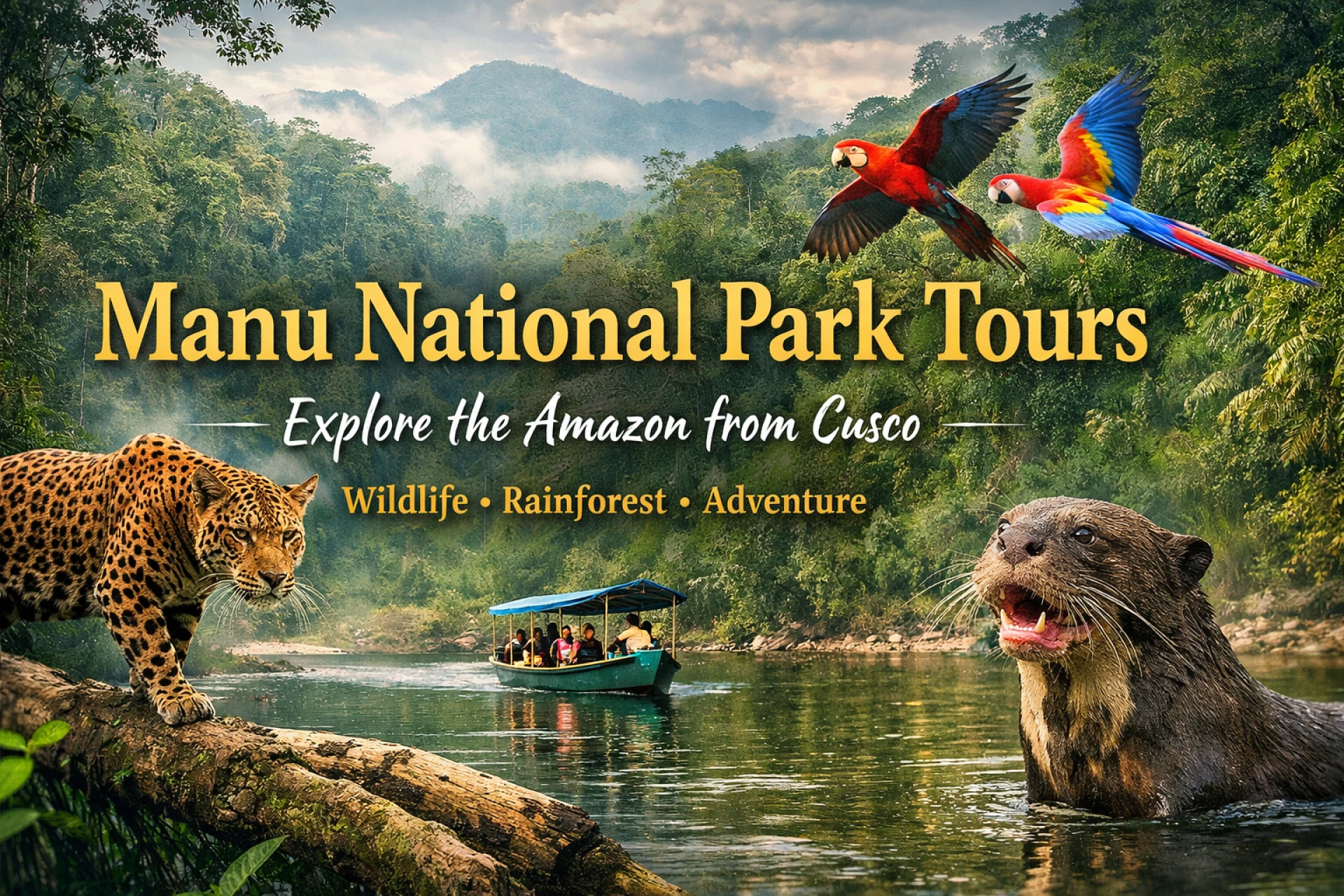
Manu is known for its biodiversity, and the park is commonly cited as home to well over a thousand bird species. Depending on the season and your itinerary, you may spot:
- Macaws and parrots, often around riverbank clay licks
- Several species of monkey, including squirrel monkeys and capuchins
- Caimans resting on sandbanks
- Giant river otters, if you visit the oxbow lakes
- Capybaras, tapirs and, with a great deal of luck, a jaguar
Sightings are never guaranteed. These are wild animals, and an honest guide will tell you so. What a good trip does give you is time: long, unhurried stretches in places where wildlife actually lives.
Did you know? Macaws and parrots gather at clay licks to eat mineral-rich soil, which is thought to help them process toxins in the seeds they eat. Early morning is usually the best time to watch.
How a Reserved Zone Trip Usually Works
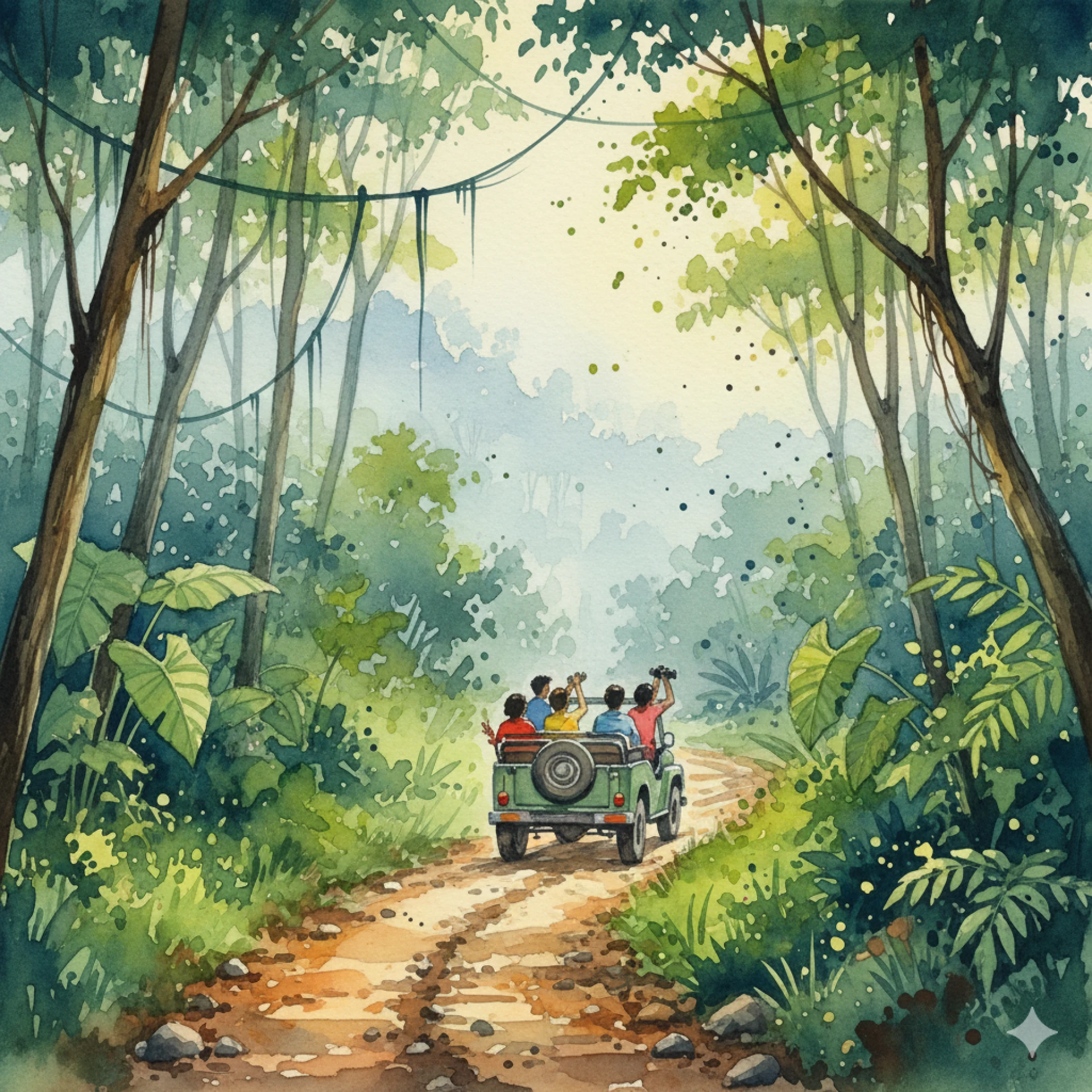
Most journeys begin in Cusco and head down from the Andes towards the lowland forest, so the scenery changes noticeably over the first day. From there, travel is typically by boat along the river, with stays at lodges or camps and daily walks led by a guide.
A typical day might include:
- A pre-dawn start for birdwatching or a clay lick visit
- A forest walk with a guide pointing out tracks, plants and calls
- A rest in the heat of the day
- A late-afternoon boat ride or an evening walk to look for nocturnal wildlife
Because this is a remote area, a Manu Reserve Peru tour needs more days than most people expect. Rushing it means spending much of your time travelling rather than watching wildlife. Check the current options on the Manu Reserved Zone tours page to compare durations and routes.
When Is the Best Time to Go?
The dry season, roughly from May to October, is the most popular choice. Trails are easier, river levels allow smoother travel and there are fewer mosquitoes. The wet season brings lush scenery and fewer visitors, but expect heavier rain and some changes to routes.
Neither season is "wrong". It depends on whether you value comfort and access or quiet and green forest.
Reserved Zone or Cultural Zone: Which Suits You?
This is a question many first-time visitors ask.
| Reserved Zone | Cultural Zone | |
|---|---|---|
| Access | Restricted, authorised operators only | More open, more lodge options |
| Feel | Remote and quiet | Remote but easier to reach |
| Best for | Wildlife-focused travellers | Shorter trips and first Amazon visits |
If wildlife and a sense of wilderness matter most, the Reserved Zone is hard to beat. If you have limited time, the Cultural Zone is still an excellent introduction. Our complete guide to Manu National Park tours compares the two in more detail, and our article on why a Manu Reserved Zone tour is such a strong wildlife experience goes deeper on the animals.
Common Mistakes to Avoid
- Booking too short a trip. Travel time into the forest is significant, so a very short itinerary leaves little time in the zone itself.
- Expecting guaranteed sightings. Go for the whole experience and treat any big animal as a bonus.
- Packing for a city trip. Bring lightweight long sleeves, quick-dry trousers, waterproof layers, good walking shoes and insect repellent.
- Booking late. Permits and lodge spaces are limited, especially in the dry season.
Pro Tips From the Trail
- Wear muted colours and keep your voice low. You will see far more.
- Bring binoculars. Even an entry-level pair transforms a birdwatching morning.
- Protect your camera from humidity with a dry bag and silica packs.
- Stay on the trail and take all rubbish with you. Responsible visitors help protect the zone.
Planning Your Trip
When you compare operators, ask a few direct questions:
- Are you a licensed operator with authorised access to the Reserved Zone?
- How many days are spent inside the zone itself?
- What is the group size, and who are the guides?
- What is included, and what is not?
A transparent answer to these is a good sign. If you want to see how a trip could look, the team at Manu Rainforest Peru can walk you through current itineraries and availability.
Frequently Asked Questions
Do I need a permit for the Manu Reserved Zone?
Yes. Entry is controlled and arranged through authorised operators, so your tour company handles the permits.
How many days do I need?
Most travellers find that around five to nine days gives enough time in the forest without feeling rushed, though this depends on the route.
Is a Manu Reserved Zone tour suitable for beginners?
Yes, if you are reasonably fit and comfortable with basic conditions. You do not need to be an expert naturalist.
Can I see jaguars?
It is possible but rare. Treat it as a lucky bonus, not an expectation.
What is the difference between Manu reserved zone tours and Manu National Park tours?
The Reserved Zone is one section of the park with restricted access. Park tours can also cover the Cultural Zone, which is easier to reach.
Final Thoughts
A trip into the Reserved Zone is not a polished attraction. It is slow, humid and unpredictable, and that is exactly the appeal. If you want an Amazon experience built around wildlife and quiet, plan early, choose a licensed operator and give yourself enough days to settle into the rhythm of the forest.
Ready to start planning? Explore Manu Reserved Zone tours with Manu Rainforest Peru and speak with a local team that knows the region.
















Sign in to leave a comment.