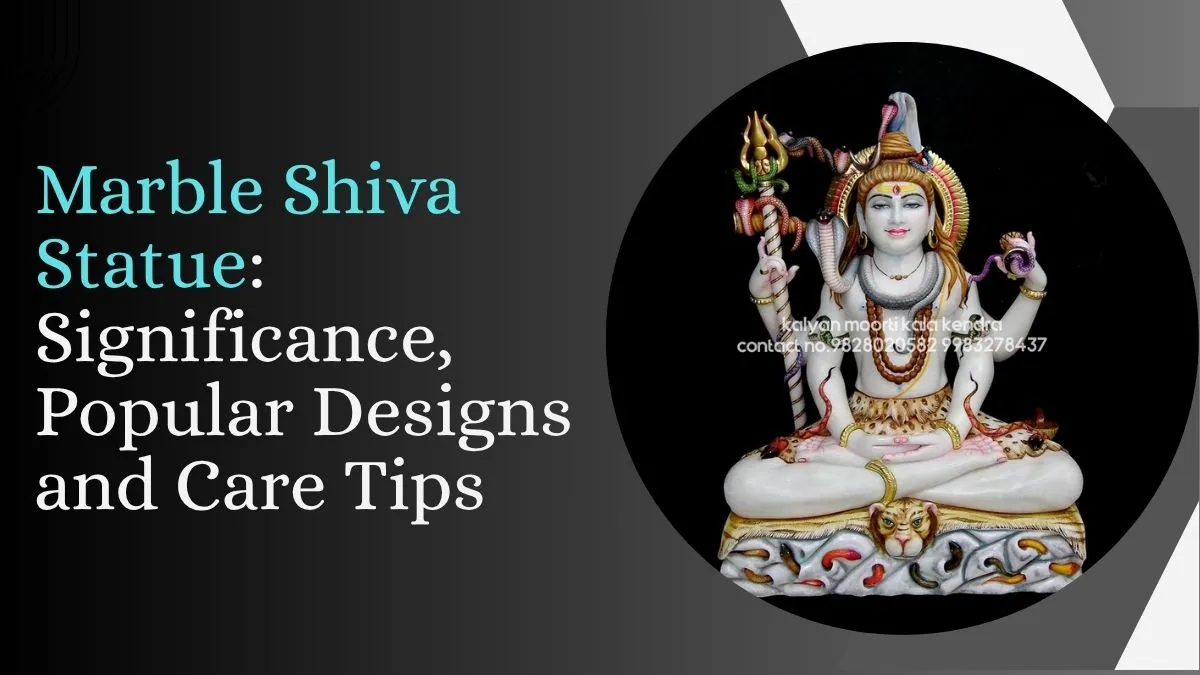

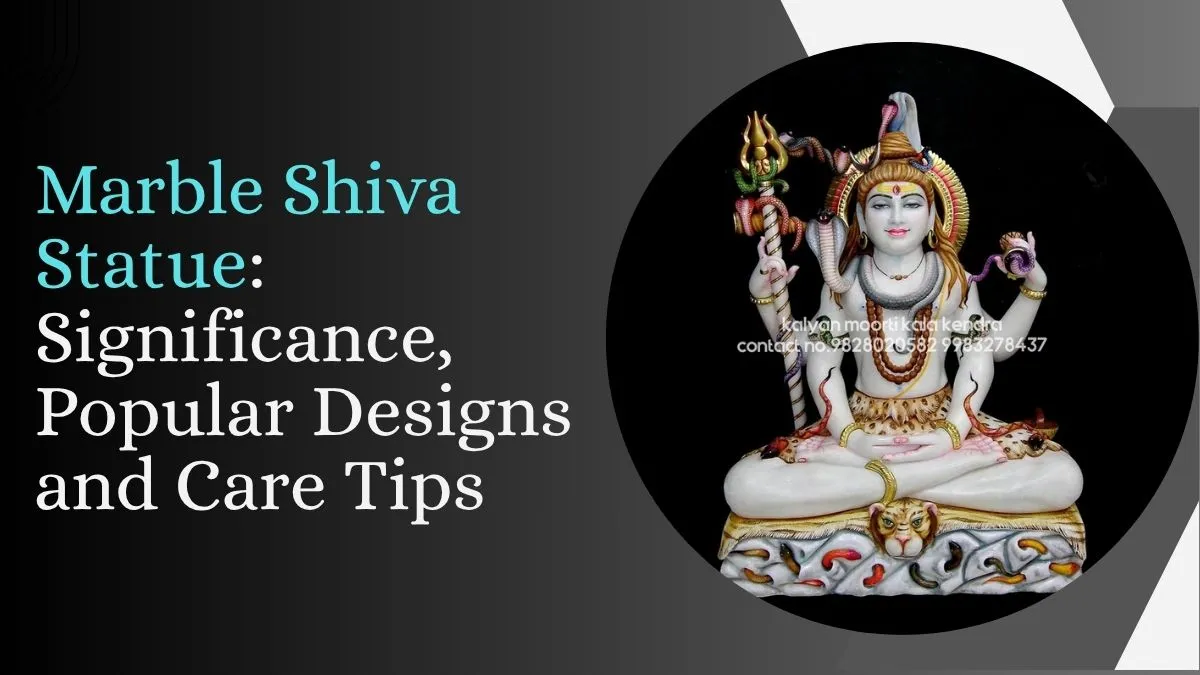
A Marble Shiva Statue is more than a beautifully carved piece of stone. For many devotees, it represents Lord Shiva’s association with meditation, spirituality, transformation, strength, and inner peace. Marble has been used for centuries in Indian sculpture because of its smooth texture, natural appearance, durability, and ability to hold intricate details. These qualities make it a popular material for creating religious statues for homes, temples, meditation spaces, gardens, and spiritual establishments.
From traditional seated sculptures to majestic standing figures, Shiva statues are available in a wide range of designs and sizes. Each form can have its own artistic character and traditional symbolism. Understanding the different designs, craftsmanship, selection factors, and maintenance requirements can help buyers make an informed decision when choosing a marble Shiva sculpture.
Significance of Lord Shiva in Marble Sculpture
Lord Shiva holds an important place in Hindu tradition and is worshipped in different forms across India. He is commonly associated with meditation, knowledge, transformation, devotion, and spiritual consciousness. Artists represent these qualities through carefully designed postures, facial expressions, ornaments, and traditional attributes.
The use of white marble can further complement the peaceful appearance of Shiva sculptures. Its bright and natural surface allows artisans to highlight facial expressions, hair, ornaments, clothing, and symbolic elements with precision.
Traditional Shiva statues may feature elements such as the trishul, damaru, crescent moon, serpent, and Ganga flowing from the matted hair. Depending on the chosen form, the statue can communicate a particular aspect of Shiva’s traditional representation.
For homes, a Shiva statue can become part of a dedicated prayer area. In temples and spiritual spaces, larger sculptures can serve as an important part of the overall religious environment. The final choice generally depends on the available space, intended use, design preference, and required size.
Popular Designs of Marble Shiva Statues
One of the reasons marble Shiva sculptures remain popular is the variety of designs available. Skilled artisans can create different postures and compositions while maintaining traditional artistic elements.
Meditating Shiva Statue
The meditating form depicts Lord Shiva in a calm seated posture. It is often selected for prayer rooms, meditation areas, yoga centers, and peaceful interiors.
The facial expression is usually designed to convey calmness and concentration. Fine carving around the hair, ornaments, clothing, and body proportions can give the sculpture a refined and balanced appearance.
Standing Shiva Statue
A standing Shiva statue offers a more prominent representation and can be suitable for larger spaces. It may feature the trishul, damaru, traditional ornaments, and other recognizable elements.
Large standing statues require careful attention to proportions and structural stability. The artisan needs to maintain balance throughout the sculpture while creating detailed features.
Shiva Parivar Statue
Shiva Parivar represents Lord Shiva with Goddess Parvati, Lord Ganesha, and Lord Kartikeya. This composition is often selected by people looking for a family-oriented representation of the divine figures.
Because multiple figures are carved within a single composition, Shiva Parivar sculptures require careful planning. The size, positioning, facial expressions, and individual details need to work together to create a harmonious sculpture.
Nataraja Statue
Nataraja is the dancing form of Lord Shiva and is one of the most recognizable representations of Shiva in Indian art. The dynamic posture, surrounding elements, and detailed composition make Nataraja sculptures particularly distinctive.
Creating this design in marble requires considerable skill because the artisan needs to achieve both visual movement and structural balance. It can be used in temples, cultural spaces, spiritual institutions, and interiors where an artistic Shiva representation is desired.
How to Choose the Right Marble Shiva Statue
Selecting a Shiva statue should begin with understanding where it will be placed. A small sculpture may be suitable for a home temple or compact prayer room, while larger statues may be more appropriate for temples, gardens, entrances, and spacious religious areas.
The quality of marble is another important consideration. Look for a stone with a suitable surface and consistent finish. The carving should be examined carefully, especially around the face, hands, ornaments, clothing, and traditional attributes.
Proportion is also important. A well-crafted statue should have balanced anatomy and properly defined features. If you are purchasing a customized sculpture, discuss the required height, posture, design, marble type, and finish with the artisan before production begins.
When ordering a customized sculpture, an experienced Marble shiva statue manufacturer can help with selecting an appropriate design and material. Manufacturers with experience in religious sculptures may also provide guidance regarding dimensions, carving details, polishing, packaging, and transportation.
The Craftsmanship Behind Marble Shiva Statues
Creating a marble religious sculpture involves several stages of skilled work. The process generally begins with selecting a suitable block of marble according to the size and design requirements.
The artisan first marks the basic proportions and then removes excess stone to create the primary form. Once the overall shape has been established, detailed carving begins.
Facial features require particular attention because even small differences can affect the expression of the entire sculpture. Artisans also carefully work on hair, ornaments, clothing, hands, symbolic objects, and other decorative elements.
After carving, the surface is refined through sanding and polishing. Depending on the workshop and design, traditional hand tools and modern equipment may be used together.
An experienced Shiva marble Statue Manufacturer focuses on maintaining traditional proportions while achieving a clean and durable finish. Quality craftsmanship can be especially important for large statues because structural balance and detailed carving must be maintained simultaneously.
Marble Quality and Finishing
The appearance of a finished statue depends significantly on the quality of the marble and the finishing process. Different marble varieties can have differences in texture, grain, color, and surface characteristics.
White marble is commonly preferred for Shiva sculptures because it provides a clean and elegant appearance. However, the right stone should ultimately be selected according to the design, location, size, budget, and desired finish.
Polishing can provide a smooth surface, while other finishing techniques may create a more natural or traditional appearance. Buyers should discuss their preferred finish with the manufacturer before production.
Where Can Marble Shiva Statues Be Installed?
Marble Shiva statues can be used in residential, religious, spiritual, and cultural settings. Smaller statues can be placed in home temples, prayer rooms, meditation areas, and other dedicated spaces.
Large sculptures may be installed in temples, gardens, spiritual centers, religious institutions, and architectural spaces. Outdoor installations require additional planning because the statue will be exposed to environmental conditions such as dust, rain, sunlight, and temperature changes.
The installation surface should be strong enough to support the statue. For larger sculptures, professional transportation and installation can also help reduce the risk of damage.
Care and Maintenance Tips
Although marble is a durable natural stone, regular maintenance helps preserve its appearance. Dust should be removed periodically using a soft microfiber cloth or gentle brush.
For routine cleaning, use a mild cleaner designed for natural stone. Avoid abrasive powders, rough scrubbers, and strong chemical products.
Acidic substances such as vinegar and lemon juice should not be applied directly to marble. These substances may affect the surface and reduce the appearance of polished stone.
If the statue is used regularly for worship, materials such as oil, flowers, water, and other offerings should be cleaned from the surface appropriately. Allowing oily or colored substances to remain on marble for long periods can make cleaning more difficult.
Outdoor statues should be inspected periodically. Pay attention to the base, surrounding surface, and drainage conditions. Preventing continuous moisture accumulation around the base can help with long-term maintenance.
Choosing the Right Manufacturer
The manufacturer you choose can have a significant impact on the quality and final appearance of the sculpture. When looking for a Marble Statue Manufacturer, consider experience in religious sculpture, available designs, customization options, marble selection, carving quality, and finishing capabilities.
It is useful to ask about the production process before placing an order. Discuss the required dimensions, design reference, marble type, surface finish, packaging, delivery, and installation requirements.
For customized or large statues, buyers can also request photographs or videos during production. This can help confirm that the sculpture is being developed according to the agreed specifications.
Transportation is another important consideration. Marble is strong, but a sculpture can still be damaged by impact or improper handling. Proper protective packaging and careful loading can reduce transportation-related risks.
Why Marble Is a Popular Material for Shiva Statues
Marble offers a combination of durability, elegance, and carving flexibility. Its relatively smooth surface allows artisans to create detailed facial features, ornaments, clothing, hair, and symbolic elements.
The natural appearance of marble can complement both traditional and modern architectural settings. A well-finished sculpture can remain visually appealing for many years when it is installed appropriately and maintained regularly.
Another advantage is the range of sizes and designs that can be created. From compact statues for home temples to large sculptures for temples and outdoor spaces, marble can accommodate different requirements.
Conclusion
A marble Shiva sculpture combines traditional religious symbolism with the skill of Indian stone craftsmanship. Different forms, including meditating Shiva, standing Shiva, Shiva Parivar, and Nataraja, provide options for different spaces and artistic preferences.
When choosing a statue, consider its size, design, marble quality, carving details, finish, installation location, and maintenance requirements. For customized projects, discussing specifications with the manufacturer before production can help ensure that the finished sculpture matches the intended requirements.
Regular dusting, gentle cleaning, and avoiding harsh chemicals can help maintain the marble surface. Whether selected for a home temple, religious institution, garden, meditation space, or cultural setting, a carefully crafted Shiva statue can combine spiritual significance with lasting artistic appeal.
Frequently Asked Questions
1. What does a marble Shiva statue represent?
A marble Shiva statue can represent Lord Shiva and his traditional associations with meditation, spirituality, transformation, devotion, strength, and inner awareness. The specific symbolism may vary according to the form represented.
2. Which Shiva statue is suitable for a home temple?
A meditating Shiva or Shiva Parivar design may be considered for a home temple. The appropriate choice depends on available space, personal preference, and the desired traditional representation.
3. Can Shiva statues be made in customized sizes?
Yes. Shiva statues can be created in different sizes and designs. Customized requirements may include height, posture, composition, marble type, carving details, and surface finish.
4. How should marble Shiva statues be cleaned?
Use a soft cloth or gentle brush to remove dust. For deeper cleaning, use a mild natural-stone cleaner and avoid acidic substances, abrasive products, and harsh chemicals.
5. What should I check before purchasing a Shiva statue?
Check the marble quality, dimensions, proportions, carving details, facial features, surface finish, craftsmanship, packaging, transportation arrangements, and customization options before purchasing.




















Sign in to leave a comment.