Mastering Advanced Technical Skills Through a Professional ScubaPro Technician Course

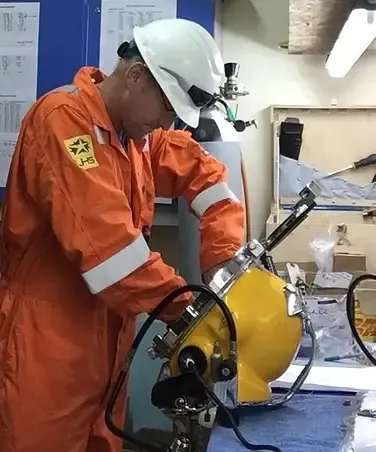
Every dive depends on equipment that most people never see being serviced. The regulator that delivers each breath, the cylinder holding compressed air at high pressure, and the valve that connects them all depend on a technician who did the job correctly. When it's done well, nobody notices. When it isn't, the consequences can be serious.
That's why technical training matters, and why many people in the dive industry search for a scubapro technician course when they decide to move from diving into servicing. ScubaPro is one of the best-known regulator brands in the world, so it's a natural reference point for anyone thinking about gear maintenance as a career or a business skill.
This guide explains what professional technician training involves, how manufacturer certification differs from independent training, and how ASSET Technical Training approaches the subject, based on what the program publishes at dive-technician.com.
Why Technician Skills Are Worth Mastering
Dive centres, instructors, and equipment owners all share one problem: gear needs regular, competent service, and good technicians are hard to find. A shop with a trained technician can service rental equipment in-house, keep cylinders compliant, and respond quickly when a customer's regulator misbehaves. A shop without one waits on outside providers or takes risks it shouldn't.
For individuals, technical skills open several doors:
- A career path. Technician roles exist in dive centres, resorts, liveaboards, commercial diving operations, and service workshops.
- A business opportunity. Many technicians eventually run their own service operations.
- Added value as an instructor or shop manager. Understanding how equipment works makes you a safer, more credible professional.
Confidence. Knowing exactly what's inside the gear you depend on is its own reward.
ScubaPro Training vs. Independent Technician Training
Before choosing a course, it helps to understand two different kinds of training that often get lumped together.
Manufacturer-specific training. Brands like ScubaPro run their own technician programs focused on their own products. These are typically restricted. For example, one ScubaPro seminar at the DEMA trade show was listed as only available to authorised ScubaPro dive retailers and dive centres, with a prior ScubaPro intro certification and regulator servicing experience required for the advanced session. If you want to service ScubaPro equipment under the manufacturer's own recognition, that route usually involves your employer or dive centre and the brand directly.
Independent technical training. Organisations such as ASSET teach the underlying principles of servicing, inspection, and safety across equipment types. This is the broad foundation: how regulators work, how cylinders are inspected, how compressed air systems are managed, and how to document your work. It isn't a replacement for manufacturer certification when a brand requires it, but it gives you transferable knowledge that makes manufacturer courses easier to absorb.
The smartest approach for many technicians is to combine both. Build a strong foundation first, then add brand-specific credentials as your employer or business needs them. If a ScubaPro credential is your goal, contact ScubaPro or an authorised distributor to confirm the current requirements, because eligibility rules change.
What Is ASSET Technical Training?
ASSET stands for the Association of SCUBA Service Engineers and Technicians. According to its website, the organisation offers dive industry technician courses covering the maintenance, repair, and servicing of dive equipment, including cylinders, valves, and related systems.
A few things stand out from what the program publishes:
An international focus. ASSET describes its certification as internationally recognised, and the courses are aimed at people entering either the recreational scuba industry or the commercial dive industry.
CPD accreditation. ASSET states that it's an official CPD Standards Office accredited training provider in the UK, which means its courses carry recognised continuing professional development hours that technicians can record as part of their ongoing development. For professionals who need to document training, that's a useful feature.
Real-world competence over theory. The program emphasises practical skill. The courses combine online teaching with in-house practical training, and participants receive a certificate of participation and a certificate of completion.
A Cyprus base. The training operates from Protaras, Cyprus, with an office on Protara Kavo Greco Avenue. The website lists weekday office hours from 8 a.m. to 5 p.m.
What a Professional Course Covers
Technician training isn't a single skill. It's a set of related competencies, and the best programs build them in a logical order. Based on the courses ASSET lists, here's how the pieces fit together.
Cylinder visual inspection
Cylinders are pressure vessels, and inspecting them properly is one of the most safety-critical jobs a technician does. ASSET's Cylinder Visual Inspection course is described as a two-day program and is the first part of a progression. Technicians learn to examine cylinders for damage, corrosion, and other defects, and to make sound decisions about whether a cylinder is fit for use.
Cylinder testing and ISO 18119
Cylinder testing is governed by standards, and standards get updated. ASSET offers an online update course on cylinder testing in line with ISO 18119, designed to keep technicians current. For anyone who handles cylinder certification, staying aligned with the latest standard isn't optional.
Composite cylinder inspection
Composite cylinders have different construction and failure modes from steel or aluminium ones. ASSET lists a dedicated composite cylinder inspection course, which suits technicians who work with these cylinders in commercial, technical, or specialist settings.
Compressed air systems management
Clean, correctly managed air is fundamental to safe diving. The Compressed Air Systems Management course (CASM) is a two-day program covering how compressed air systems should be run and maintained. This matters most to anyone responsible for a compressor station or fill operation.
Oxygen service and gas blending
Working with oxygen and enriched air requires specific knowledge, because oxygen-rich environments demand cleanliness and care. The combined Oxygen Service Technician and Gas Blender course covers oxygen and nitrox work, which is valuable for dive centres that offer enriched air fills.
Oxygen gas booster maintenance
For operations that use booster equipment, ASSET offers a Haskel oxygen gas booster course focused on stripping down and rebuilding the unit. It's a specialised skill that helps keep an important piece of workshop equipment reliable.
The Dive Industry Technician Course
The flagship program is the Dive Industry Technician Course. The website describes it as professional scuba service engineer and technician training, run in intakes, with in-person sessions in Protaras. The most recent published intake dates ran across two weeks, with a listed price of €1,700. Intakes have been scheduled for June and September 2026, so check the website or contact ASSET for the next available dates and current pricing.
How a Course Like This Builds Real Skill
Learning to service dive equipment isn't something you can do from a book alone. Good technical training usually follows a pattern.
1. Theory first. You learn how each component works and why it's designed the way it is. Understanding the principle behind a part makes troubleshooting far easier than memorising steps.
2. Guided practice. You work on real equipment with an experienced instructor watching. This is where fine details, like correct torque, proper seating of components, and the feel of a well-tuned regulator, are learned.
3. Testing and verification. A technician's job isn't finished when the equipment is reassembled. It has to be tested, measured, and confirmed to perform correctly.
4. Documentation. Good records protect the technician, the shop, and the customer. They also show a standard of professionalism that stands out.
5. Continuing education. Equipment evolves and standards change. The best technicians keep learning, which is why update courses and CPD-recognised training have real value.
The website's testimonials reflect this emphasis. Dive shop managers, instructors, and centre owners describe the course as eye-opening, with one instructor saying he thought he knew a lot until he took it. Another reviewer noted the course is especially useful for people with some existing familiarity with how cylinders and regulators work.
Who Should Consider Technician Training?
You don't have to be planning a full career change to benefit. Technician training suits several kinds of people.
- Dive centre owners and managers who want in-house servicing capability.
- Dive instructors who want deeper equipment knowledge and a second skill set.
- Aspiring technicians looking to enter the industry.
- Commercial diving personnel responsible for maintaining equipment.
- Experienced divers who want to understand and care for their own gear more responsibly.
If you're unsure whether you're ready, ask the training provider about prerequisites. Some courses assume prior familiarity, and the website marks its listed courses at an intermediate level.
Tips for Choosing the Right Course
With several options available, a few questions can help you choose well.
What's your goal? If you want to service a specific brand under the manufacturer's recognition, check that brand's requirements first. If you want a broad technical foundation, an independent program can be a strong starting point.
Is the training practical? Look for hands-on work with real equipment. Theory alone won't make you a competent technician.
Does it follow current standards? Standards such as those governing cylinder testing change over time. Make sure the course reflects current requirements.
Is the certification recognised? Ask who recognises it and how employers view it. CPD accreditation is one useful signal.
What are the logistics? Consider travel, accommodation, dates, and costs. An online learning component can reduce the amount of time you need to spend on site.
Can you speak to someone? A good provider will answer questions before you enrol. ASSET lists an email address and phone number on its website.
Frequently Asked Questions
1. Does ASSET offer an official ScubaPro technician course?
ASSET is an independent technical training organisation, and its website doesn't describe its courses as official ScubaPro manufacturer certification. Manufacturer programs like ScubaPro's are typically restricted to authorised dealers and dive centres, so if you need brand-specific recognition, contact ScubaPro or an authorised distributor. ASSET courses can still give you the broader technical foundation that supports that kind of training.
2. What is ASSET Technical Training?
ASSET Technical Training is the educational arm of the Association of SCUBA Service Engineers and Technicians. It offers courses in dive equipment servicing, cylinder inspection and testing, compressed air systems, oxygen and gas blending, and related subjects, combining online learning with practical training.
3. Which courses are available?
According to the website, the lineup includes a Dive Industry Technician Course, cylinder visual inspection, composite cylinder inspection, an ISO 18119 cylinder testing update, compressed air systems management, an oxygen technician and gas blender course, and Haskel oxygen booster maintenance. Course availability and prices can change, so confirm the details on the website or by contacting ASSET.
4. Do I need prior experience to enrol?
Requirements vary by course. The website lists its featured courses at an intermediate level, and the testimonials suggest some prior familiarity with cylinders and regulators is helpful. For specific prerequisites, contact ASSET directly before you register.
5. How can I enrol or ask questions?
You can contact ASSET through the website at dive-technician.com, by email at [email protected], or by phone at +357 99676216. The site also includes a student registration page and lists weekday office hours from 8 a.m. to 5 p.m.
Conclusion
Servicing dive equipment is a craft built on knowledge, precision, and responsibility. Whether you hope to join a dive centre's workshop, strengthen your skills as an instructor, or build your own service business, the right technical training turns good intentions into real competence.
A scubapro technician course is one route for people who want brand-specific recognition, usually through an authorised dealer. Independent programs like ASSET Technical Training offer another, a broad foundation in inspection, servicing, compressed air management, and gas handling that applies across equipment types and supports whatever credentials you add later. Used together, they make for a technician who understands not just how to service equipment, but why each step matters.







Sign in to leave a comment.