

Choosing the right MBA specialization is one of the most important decisions for students who want to build a successful career in management. While a traditional MBA has long been the preferred choice for aspiring business leaders, an MBA in Rural Development is gaining significant popularity due to the growing opportunities in agribusiness, rural finance, sustainability, and development management. Both programs offer excellent career prospects, but the right choice depends on your interests, career goals, and the industry in which you want to build your career.
What is an MBA in Rural Development?
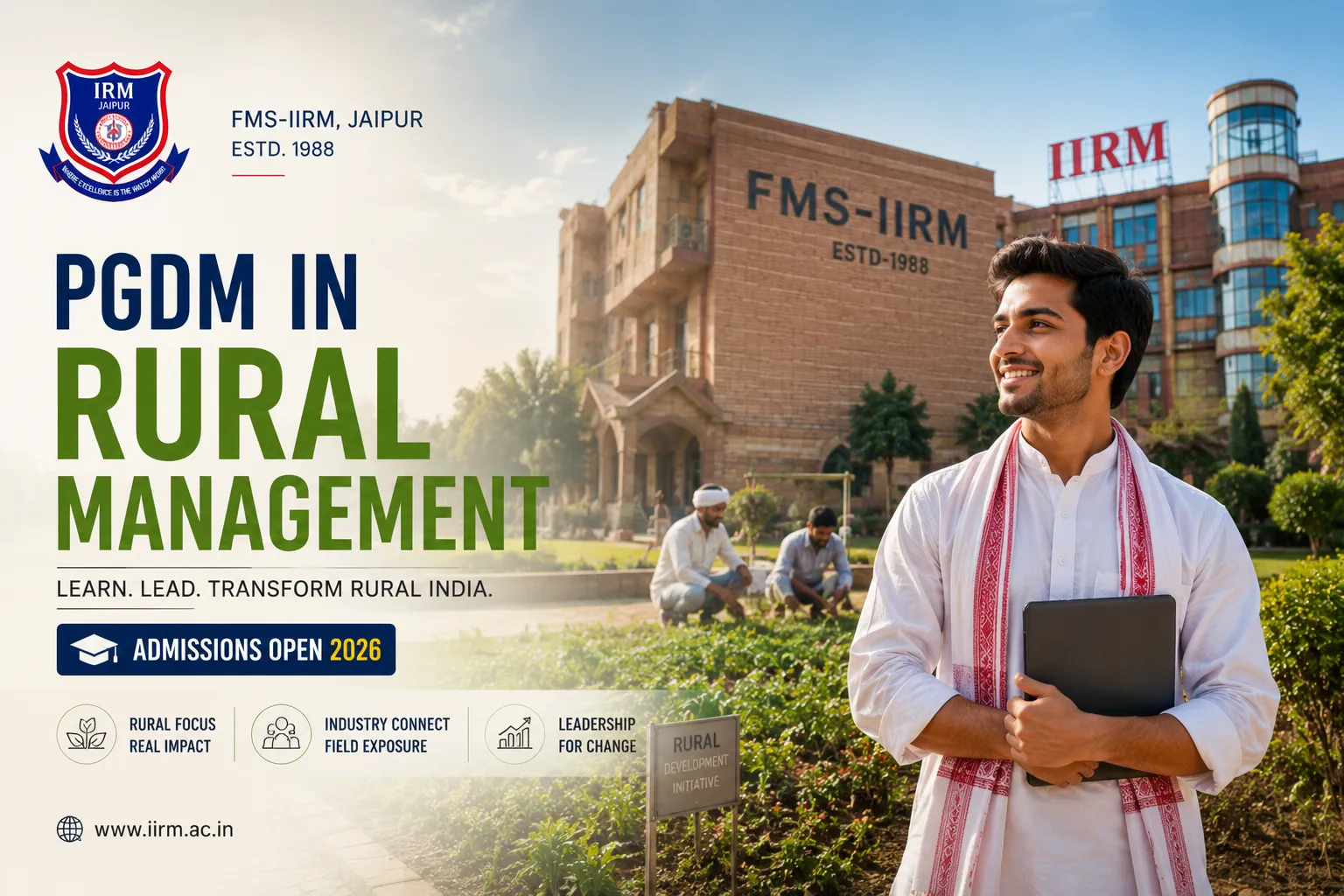
An MBA in Rural Development is a specialized management program designed to prepare professionals to manage businesses and development projects focused on rural economies. The curriculum combines core management subjects with specialized courses such as Rural Marketing, Agribusiness Management, Microfinance, Rural Entrepreneurship, Sustainable Development, and Cooperative Management.
Students also gain practical experience through field visits, live projects, internships, and community development programs. This hands-on exposure helps them understand the challenges and opportunities in rural markets, making them valuable professionals for agribusiness companies, rural banks, NGOs, FMCG organizations, government agencies, and development institutions.
What is a traditional MBA?
A traditional MBA provides a comprehensive understanding of business management across multiple industries. Students typically choose specializations such as marketing, finance, human resources, operations, business analytics, or international business. The program focuses on leadership, strategic management, financial planning, organizational behavior, business communication, and decision-making.
Graduates are well-prepared to work in corporate organizations, multinational companies, consulting firms, technology companies, manufacturing industries, and financial institutions. One of the biggest advantages of a traditional MBA is its flexibility, allowing professionals to switch industries and job roles throughout their careers.
MBA in Rural Development vs Traditional MBA
Although both programs teach core management principles, they differ significantly in terms of focus, learning approach, and career opportunities.
| Feature | MBA in Rural Development | Traditional MBA |
| Focus Area | Rural economy, agribusiness, sustainability, and development | General business management |
| Industry Exposure | Rural markets, NGOs, agritech, rural banking, development organizations | Corporate, consulting, IT, finance, and manufacturing |
| Learning Style | Fieldwork, live projects, and practical exposure | Case studies, internships, and classroom learning |
| Career Scope | Specialized industries | Multiple industries |
| Best For | Rural business, social impact, and sustainable development | Corporate leadership and business management |
A traditional MBA offers broader career flexibility, whereas an MBA in rural development provides specialized knowledge in sectors experiencing rapid growth due to government initiatives, digital transformation, financial inclusion, and increased investment in rural development.
Career Opportunities
Graduates with a traditional MBA can pursue careers in marketing, finance, consulting, operations, human resources, business analytics, and project management. Top recruiters include multinational corporations, consulting firms, banks, technology companies, e-commerce organizations, and manufacturing firms.
In contrast, an MBA in Rural Development opens doors to careers in agribusiness companies, rural banking, microfinance institutions, development organizations, FMCG companies, cooperatives, CSR departments, government agencies, and agritech startups. As investment in agriculture, rural infrastructure, and sustainable business models continues to grow, the demand for skilled rural management professionals is increasing steadily.
Salary Comparison
Salary depends more on the institute, individual skills, and employer than on the specialization itself. Graduates from top traditional MBA colleges often receive higher starting salaries because they are recruited by multinational corporations, consulting firms, and investment companies.
However, graduates from reputed rural development institutes also receive competitive salary packages, particularly in agribusiness, rural finance, development consulting, and CSR management. With experience, professionals in both fields can achieve excellent career growth and move into leadership positions.
Which MBA Should You Choose?
The right MBA depends entirely on your long-term career goals.
Choose a Traditional MBA if you:
- Want to work for multinational corporations.
- Aspire to build a career in finance, marketing, consulting, or technology.
- Prefer the flexibility to switch industries and job roles in the future.
Choose an MBA in Rural Development if you:
- Are passionate about rural development and sustainable business.
- Want to work in agribusiness, rural finance, social enterprises, or development organizations.
- Enjoy solving real-world challenges that improve rural communities and livelihoods.
Future Scope
India's rural economy is expanding rapidly due to increased investment in agriculture, digital infrastructure, financial inclusion, renewable energy, and rural entrepreneurship. This growth has created numerous opportunities for professionals who understand both business management and rural development.
Meanwhile, traditional MBA graduates continue to enjoy strong demand across industries such as consulting, banking, information technology, manufacturing, healthcare, and e-commerce. As organizations increasingly adopt artificial intelligence, digital transformation, and data-driven decision-making, management professionals with practical skills and industry expertise will remain highly sought after.
Conclusion
Both an MBA in Rural Development and a Traditional MBA offer excellent career opportunities, but they are designed for different professional aspirations. A traditional MBA is ideal for students seeking versatile careers in corporate management, while an MBA in rural development is an excellent choice for those interested in agribusiness, sustainability, rural finance, and community development.
Before making your decision, carefully evaluate your interests, preferred work environment, and long-term career objectives. Choosing a specialization that aligns with your passion and enrolling in a reputed institution with strong industry exposure and placement support can significantly enhance your career prospects and long-term success.
FAQs
1. Is an MBA in Rural Development worth pursuing?
Yes. It offers excellent career opportunities in agribusiness, rural banking, development organizations, sustainability-focused companies, and government projects.
2. Which MBA offers better placement opportunities?
A traditional MBA offers broader placement opportunities across various industries, while an MBA in rural development provides specialized career opportunities in rapidly growing sectors such as agribusiness, rural finance, and development management.
3. Can MBA in Rural Development graduates work in private companies?
Absolutely. Many private organizations, including FMCG companies, agritech startups, banks, consulting firms, and CSR divisions, actively recruit rural management professionals.
4. Which MBA offers a higher salary?
Graduates from top institutions in both specializations can secure attractive salary packages. Ultimately, salary depends on the institute, individual skills, work experience, and the recruiting organization.
5. Who should pursue an MBA in Rural Development?
Students who are passionate about agribusiness, rural marketing, sustainability, rural finance, social entrepreneurship, and development management should consider pursuing an MBA in Rural Development.




























Sign in to leave a comment.