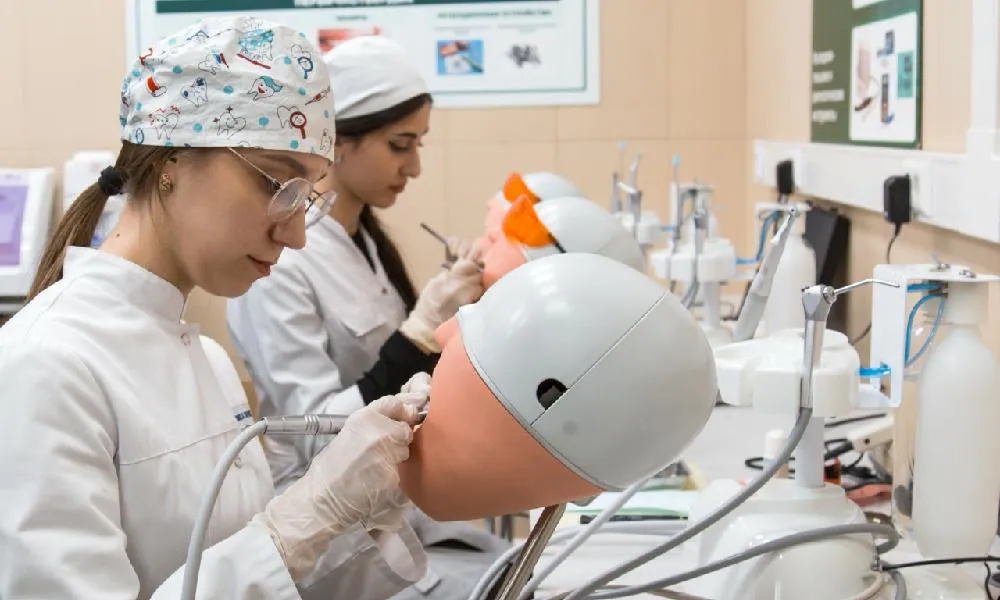

Choosing where to study MBBS abroad is one of the most important decisions a NEET-qualified student will make — and for years, Russia and Georgia have been the two most searched destinations among Indian aspirants. Both offer NMC-approved universities, affordable fees, and strong clinical exposure, but they differ in ways that matter once you look closer.
Here's a side-by-side breakdown to help you decide.
Cost of Education
Russia remains one of the most budget-friendly options, with total MBBS course fees (including hostel) typically ranging between ₹25–40 lakh for the full six-year program, depending on the university and city.
Georgia sits slightly higher, generally ₹35–50 lakh for the complete course, but many students find the trade-off worthwhile given Georgia's proximity to Europe and its EU-aligned medical curriculum.
Curriculum and Recognition
Both countries have universities that are NMC and WHO listed, but Georgia has increasingly aligned its medical education standards with European Union norms, which some students find advantageous if they consider practicing outside India in the future.
Russia, on the other hand, has decades of established medical education infrastructure, with several universities ranked among the oldest and most reputed in the region for MBBS training.
Language of Instruction
This is a key differentiator. Most Georgian medical universities offer the entire MBBS program in English from year one, with no mandatory local-language preparatory year.
Many Russian universities, by contrast, require a one-year Russian language foundation course before the medical curriculum begins — though English-medium direct-entry options do exist at select universities.
Safety and Living Environment
Georgia is often cited by parents as a more compact, walkable, and low-crime environment, with a large and supportive Indian student community in cities like Tbilisi.
Russia, especially in cities with an established Indian student presence, also offers a safe and well-supported environment, though the sheer geographic size means experiences can vary more by city and university.
Climate and Cultural Adjustment
Georgia's climate is milder and more Mediterranean-like in parts, which some students find easier to adjust to. Russia's winters are considerably harsher, which is a real factor for students relocating from Indian climates for the first time.
Which Should You Choose?
There's no universal right answer — it depends on your budget, comfort with a language-prep year, and long-term plans. Students prioritizing lower upfront cost often lean toward Russia; those prioritizing English-medium instruction from day one and a Europe-aligned curriculum often lean toward Georgia.
The smartest first step, regardless of destination, is verifying each shortlisted university's current NMC approval status and FMGE/NExT pass rates — not just its marketing claims.
For a detailed, university-wise comparison of MBBS programs in Georgia, Russia, and other NMC-approved destinations, students can refer to guides available at MBBS From Abroad, which cover fee structures, admission timelines, and counseling support.


























Sign in to leave a comment.