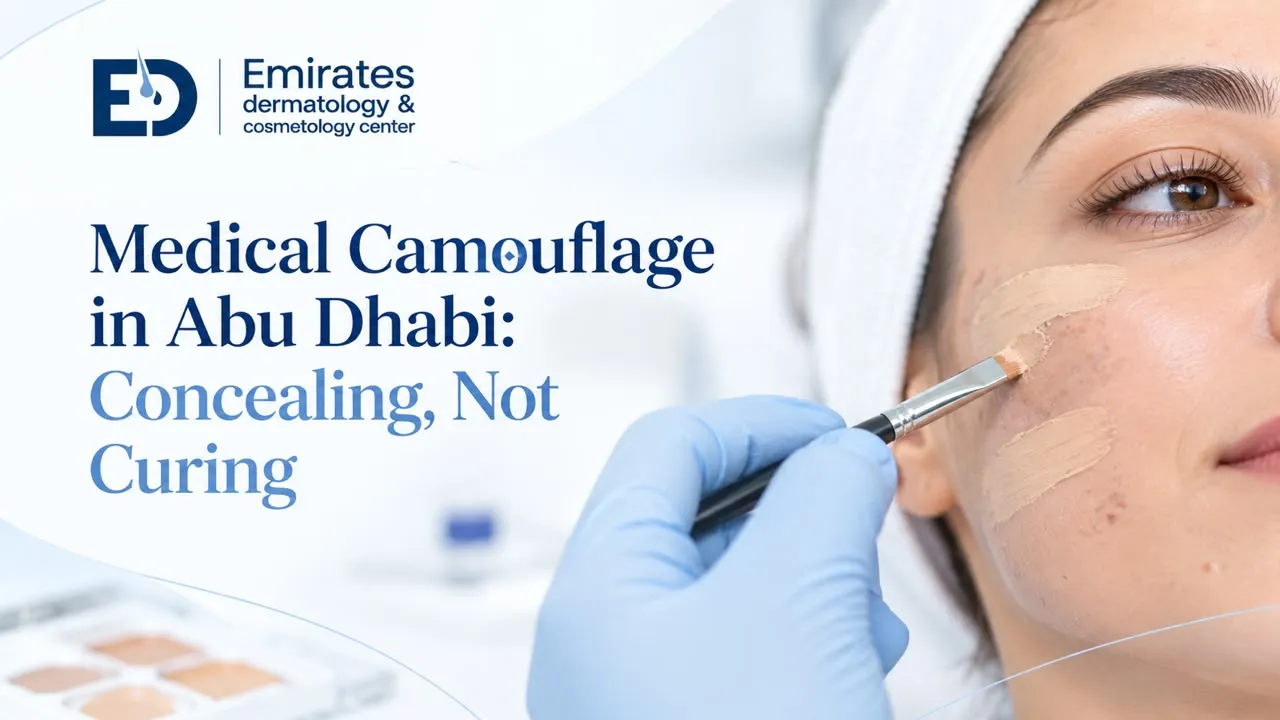
Medical camouflage doesn't get talked about much, but it has a genuinely interesting clinical history and a real, useful purpose worth understanding properly. The technique originated during the Second World War, when plastic surgeons working with the British Royal Air Force developed durable, skin-colored preparations to help conceal burn scars in injured pilots. It was later formalized by Joyce Allsworth, who founded the British Association of Skin Camouflage in 1985, and remains a recognized supportive option in dermatology today.
What it actually does: medical camouflage uses specially formulated, high-pigment, water-resistant creams, precisely color-matched to conceal visible skin differences — vitiligo patches, surgical or burn scars, stretch marks, and areas of uneven pigmentation. What it's worth being clear about is what it doesn't do: it does not treat or cure the underlying condition. For vitiligo specifically, it reduces the visible contrast of depigmented patches day-to-day; it doesn't restore natural pigmentation biologically.
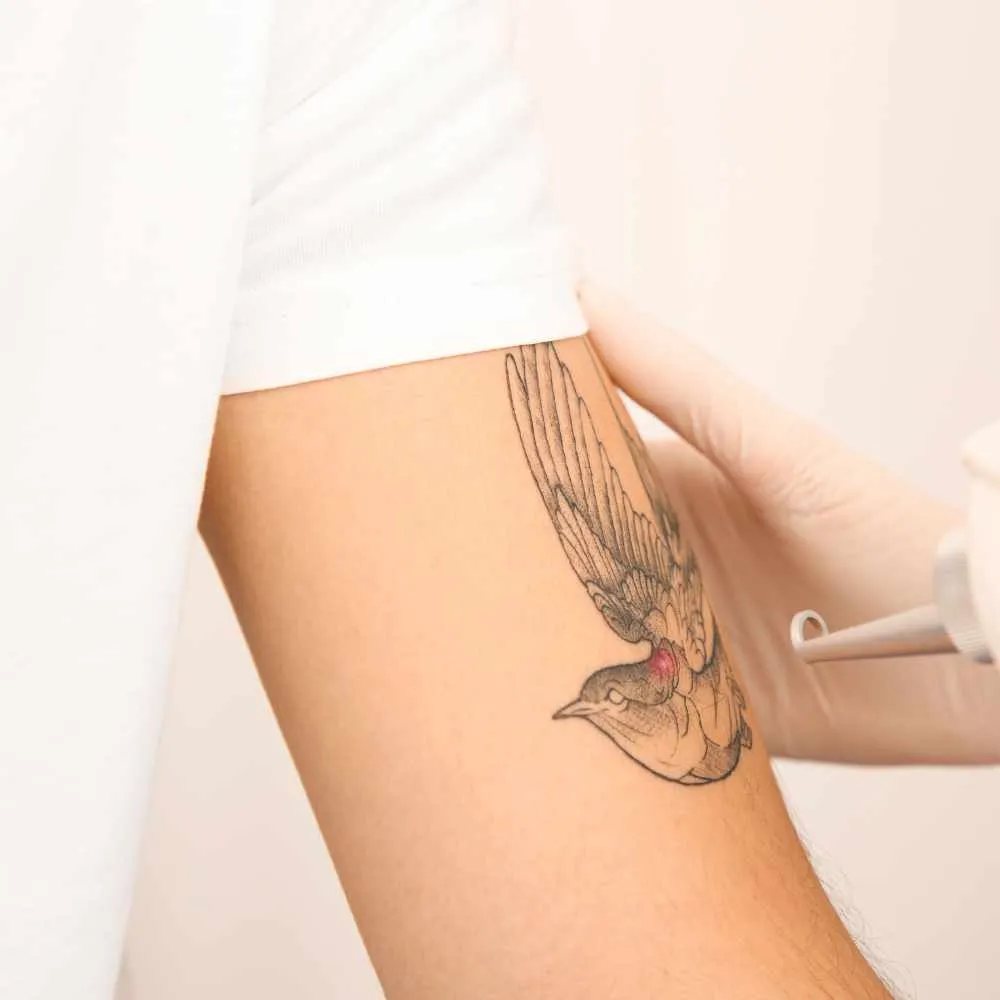
It's also worth distinguishing from micropigmentation, a separate tattoo-based technique that implants pigment into the skin and lasts roughly 2-3 years. If you've seen "medical camouflage" used to describe a permanent option elsewhere, that's likely referring to micropigmentation specifically, not the topical technique.
A dermatology clinic in Abu Dhabi has published a genuinely thorough, honest guide covering all of this: Medical Camouflage in Abu Dhabi



























Sign in to leave a comment.