

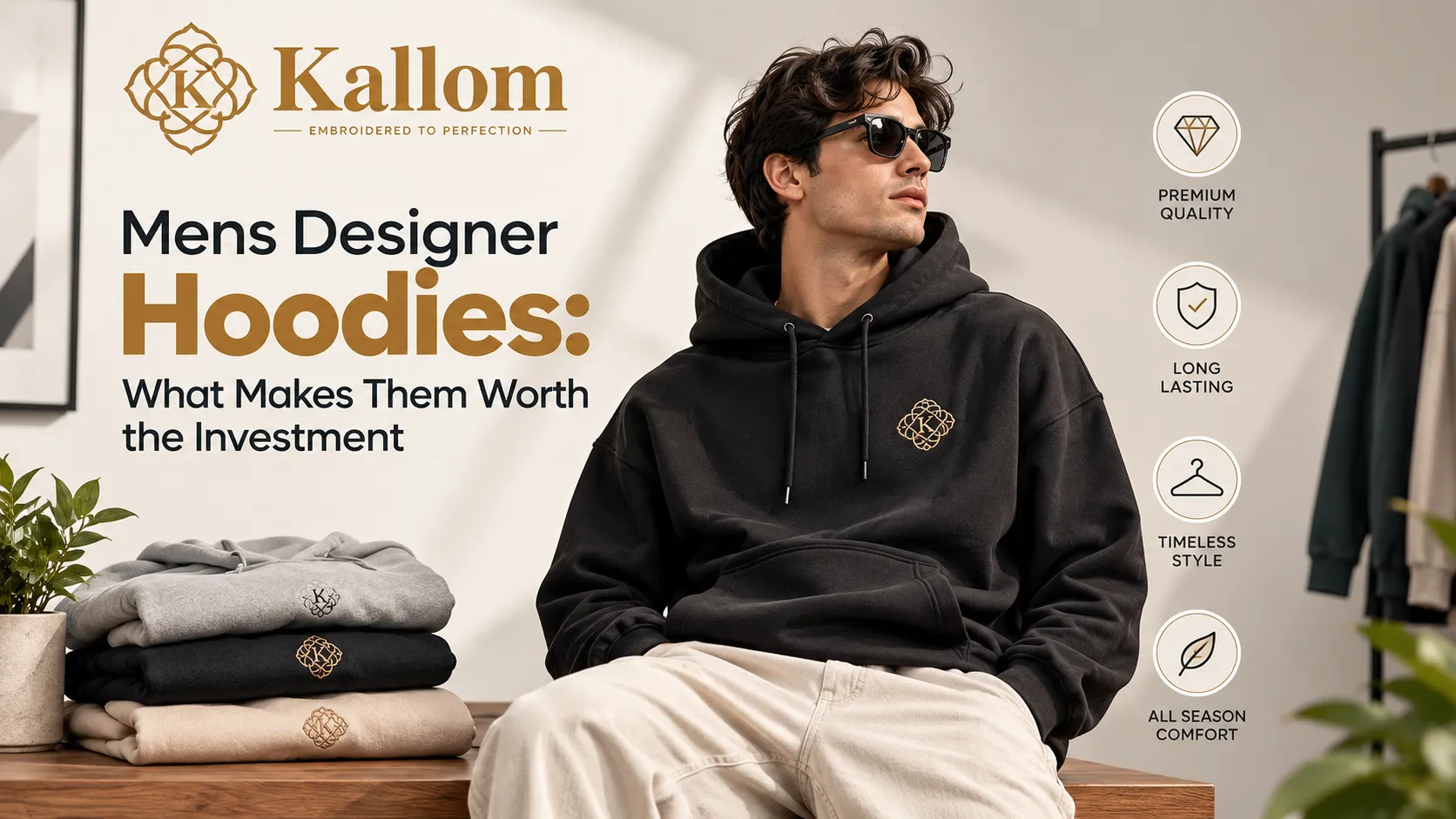
A hoodie used to be the thing you threw on without thinking comfortable, forgettable, cheap to replace every year. That's changed. Mens designer hoodies have moved into proper wardrobe-investment territory, sitting alongside jackets and boots as pieces people plan around.
The obvious question is why. If a basic hoodie costs £15 and a designer one costs three or four times that, what are you actually paying for? This article breaks down the real reasons designer hoodies earn their price tag, and how to spot a genuine investment piece from one that's simply expensive for the sake of it.
What Makes a Hoodie "Designer"
The word "designer" gets used loosely, so it's worth being precise about what it should actually mean for mens designer hoodies specifically. A Premium designer hoodie isn't just a logo stitched onto a blank template it reflects a deliberate design process, from the weight of the fabric chosen to the exact drop of the shoulder seam.
Mass-market hoodies are built to a cost; true mens designer hoodies are built to a standard. That distinction shows up in small details that are easy to miss at a glance, which is part of why so many buyers end up disappointed after paying a premium for something that turns out to be all branding and no substance.
Fabric and Fit Matter More Than You Think
Pick up a well-made hoodie and a cheap one side by side, and the difference is almost always obvious in the hand before you even try it on. This is especially true when comparing mens designer hoodies to fast-fashion alternatives. A few things separate the two:
- Fabric weight and structure — quality material holds its shape wash after wash instead of going thin and shapeless within a month
- Intentional fit — an oversized cut that's properly designed will drape in a specific way, while a poorly scaled version just looks like a regular hoodie sized up too far
- Consistency across sizes — good mens designer hoodies keep the same proportions whether you're buying a small or an XL, not just a stretched version of one pattern
- How it wears over time — quality fabric resists pilling and colour fade, while cheaper blends noticeably degrade after a handful of washes
This is exactly the kind of detail that separates good mens designer hoodies from one you'll quietly stop wearing, and it's a big part of why fit-focused, hand-finished pieces continue to earn loyal repeat buyers.
The Craftsmanship Behind a Good Hoodie
Craftsmanship is hardest to see in a product photo but easiest to notice once you own the garment. The best mens designer hoodies are built with reinforced seams, properly finished cuffs, and hardware that doesn't rust or snap the unglamorous details that quietly justify a higher price.
Machine-only, high-speed production cuts corners in exactly these spots, since they're invisible until the garment falls apart. A hoodie finished with genuine care hand embroidery instead of mass-printing tends to age far better.
Personalisation Adds Real Value
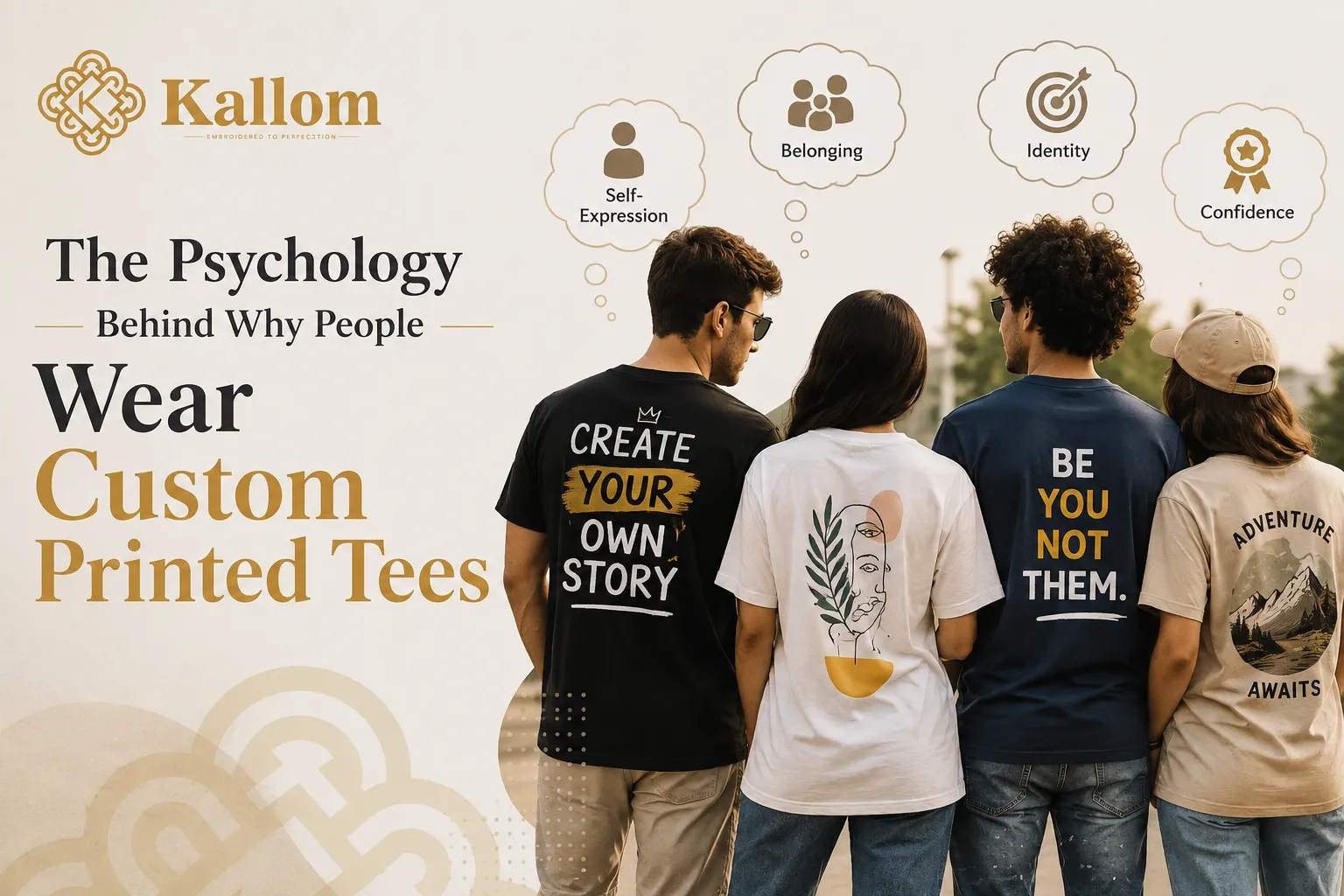
Personalisation has become part of what "designer" means for mens designer hoodies specifically. It's no longer just about a recognisable brand name, it's about owning something that isn't identical to what everyone else is wearing.
A hoodie with your initials, a meaningful date, or a custom detail stitched in turns an ordinary garment into something with real sentimental weight. This is where hand embroidery has become particularly popular among mens designer hoodies, adding a bespoke feel that printed designs simply can't replicate.
Cost Per Wear: The Smarter Way to Look at Price
The most useful way to judge whether a designer hoodie is worth it isn't the price tag alone it's cost per wear. A £20 hoodie replaced twice a year works out more expensive over two years than a well-made £70 hoodie still going strong after three. Once you stop thinking about the upfront number, the maths shifts considerably.
The pricing conversation gets interesting here. Many designer and personalised hoodie brands charge £50 to £100+ for hand-finished, embroidered pieces. Kallom's premium hoodies, by comparison, are priced at around £17-£20 a fraction of what similar hand-stitched quality usually costs elsewhere, without cutting corners on the craft.
How to Spot a Hoodie That's Actually Worth It
Not every expensive hoodie is a good investment, and not every affordable one is poor value so it helps to know what to actually check before buying mens designer hoodies. A quick checklist worth running through:
- Check the fabric weight and composition rather than trusting the price tag alone
- Look at the stitching around seams, cuffs, and the hood for consistency and reinforcement
- Read the returns policy — brands confident in their mens designer hoodies tend to offer clear, hassle-free returns
- Look for transparent product information — real fabric composition, sizing charts, and honest photos rather than vague descriptions
- Check for genuine customer reviews rather than just star ratings with no detail
Treat vague descriptions, missing sizing guidance, and an absence of real customer reviews as warning signs regardless of how premium the price looks.
Why Customers Choose Kallom Over Other Brands
This is precisely the standard UK-based embroidery brand Kallom builds around. Every hoodie is made to order and hand-embroidered rather than printed not sure what is embroidery involves or why it lasts longer than print? It comes down to thread and stitch density, not ink sitting on top of fabric.
Buyers get a live preview of their embroidery before ordering, plus free UK delivery on orders over £40 and a straightforward 30-day returns policy. It's a good example of what mens designer hoodies should mean in practice: real craftsmanship, honest fabric quality, and personalisation that lasts.
Conclusion
The value of a mens designer hoodie was never really about the label it's what's happening beneath it: the fabric, the construction, the fit, and increasingly, the personal touches that make it feel like yours. Judged on cost per wear rather than sticker price, a well-made hoodie works out cheaper and more satisfying to own than several cheap replacements. Next time a designer price tag gives you pause, ask not "why does this cost more," but "will this last, and does it feel like mine."

























Sign in to leave a comment.