

Mental health insurance coverage can make professional counseling and psychotherapy more affordable, but understanding what a health plan actually pays for requires more than checking the insurance company's name. Benefits depend on the specific policy, provider network, type of treatment, medical necessity requirements, and out-of-pocket expenses.
California residents have several ways to access covered mental health services, including employer-sponsored insurance, individual health plans, Medicare, and Medi-Cal. Knowing how these benefits work can help individuals and families make informed decisions before scheduling their first therapy appointment.
Does Health Insurance Cover Mental Health Therapy?
Yes, many health insurance plans cover mental health treatment, including outpatient therapy, psychological assessments, and other behavioral health services. Under the Affordable Care Act, most individual and small-group marketplace plans include mental health and substance use disorder services as essential health benefits.
The Mental Health Parity and Addiction Equity Act also establishes protections requiring applicable health plans that offer mental health benefits to treat them comparably to medical and surgical benefits.
However, parity does not mean every treatment, provider, or appointment is automatically covered. The specific policy determines eligibility, cost-sharing, provider networks, and applicable authorization requirements.
California residents can review their rights through the California Department of Managed Health Care and the California Department of Insurance.
What Mental Health Services May Be Covered by Insurance?
Mental health benefits can include different forms of assessment, counseling, and treatment. Coverage depends on the insurance plan and whether the service meets its requirements.
Individual Therapy
Individual psychotherapy provides a private setting to address emotional, behavioral, and psychological concerns. People may seek treatment for anxiety, depression, grief, trauma, stress, relationship difficulties, or major life transitions.
Depending on the plan, covered treatment may include approaches such as Cognitive Behavioral Therapy (CBT), trauma-focused therapy, and other evidence-based interventions.
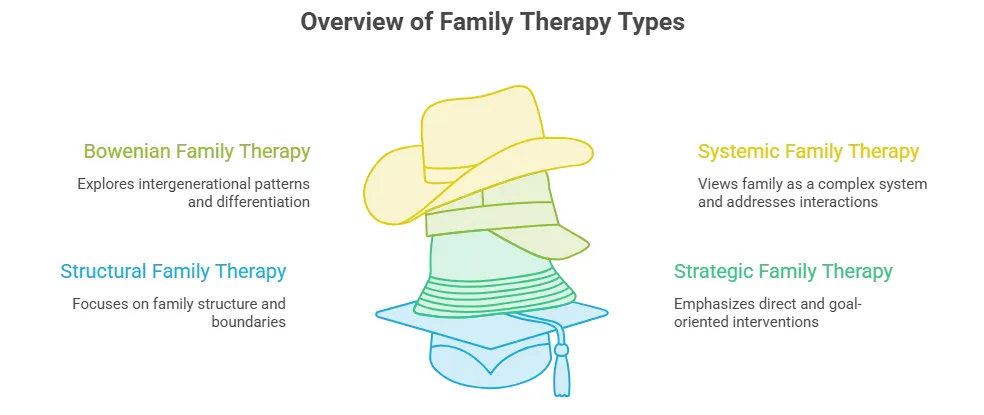
Family and Couples Therapy
Family Therapy helps people work through communication problems, recurring conflict, parenting concerns, and relationship challenges.
Couples therapy may also be available through certain insurance plans. However, coverage can differ from individual psychotherapy. Some plans require a covered mental health condition and specific clinical documentation rather than covering relationship counseling alone.
Before scheduling, ask the insurer whether the particular service and treatment circumstances qualify for benefits.
Teen and Adolescent Therapy
Mental health coverage may extend to children and teenagers who need professional support for anxiety, depression, emotional regulation, school-related stress, behavioral concerns, or difficult family experiences.
Parents should confirm whether the provider is in-network, whether referrals or authorizations are required, and how the plan handles confidentiality and billing for minors.
Online Therapy and Telehealth
Online therapy allows individuals to meet with qualified mental health professionals through secure video sessions.
Many health plans provide telehealth benefits, but eligibility depends on the policy, provider credentials, service type, and applicable state and federal requirements.
For California residents using Medi-Cal, the Department of Health Care Services provides information about covered telehealth services and program requirements.
What Do Copay, Deductible, and Coinsurance Mean?
Understanding insurance terminology helps prevent unexpected therapy expenses.
Deductible: The amount a member must pay toward eligible healthcare expenses before the insurance plan begins sharing costs under its benefits.
Copay: A fixed amount paid for a covered appointment or service.
Coinsurance: A percentage of the allowed cost that the member pays after applicable deductible requirements have been met.
Out-of-pocket maximum: The annual limit on qualifying covered expenses that a member pays under the plan's rules. Premiums and certain noncovered expenses generally do not count toward this limit.
For example, someone may have a $30 copay for an in-network therapy appointment. Another person may need to meet a deductible before receiving significant coverage. These arrangements vary by policy.
Always check the plan's actual benefit documents rather than relying on general estimates.
How to Verify Your Mental Health Insurance Benefits
Insurance verification is one of the most useful steps to take before beginning treatment. It helps clarify potential costs and whether a provider participates in the relevant network.
Follow these steps:
1. Review Your Insurance Card
Identify the insurance company, member identification information, group number, and customer service telephone number. Some cards also list a separate behavioral health administrator.
2. Ask About Outpatient Mental Health Benefits
Contact the insurer and ask whether outpatient psychotherapy is included. Confirm whether the plan covers individual, family, couples, adolescent, and telehealth services.
3. Confirm the Provider's Network Status
A therapist may accept a particular insurance company without participating in every plan offered by that company.
Ask whether the specific clinician is in-network under your exact policy.
4. Understand Your Expected Costs
Ask about your deductible, copay, coinsurance, remaining out-of-pocket maximum, and any separate behavioral health cost-sharing requirements.
5. Check Referral and Authorization Requirements
Some policies require a referral, prior authorization, or other administrative steps before treatment. Confirm these requirements before your appointment.
6. Request a Benefit Explanation
Ask the insurer to explain the covered service, billing arrangement, and any limitations. Keep a record of the representative's name, call date, and reference number.
Remember that benefit verification is not a guarantee that an insurance company will pay every claim. Final payment decisions depend on the insurer's claim review and applicable policy provisions.
What If Your Insurance Does Not Cover Therapy?
A lack of insurance coverage does not necessarily mean professional mental health care is inaccessible.
Consider these alternatives:
- Self-pay therapy: Some providers offer direct payment arrangements without submitting claims to an insurance company.
- Sliding-scale fees: Certain therapists adjust their fees according to financial circumstances.
- Community mental health services: Local organizations and community clinics may provide reduced-cost treatment.
- Employee Assistance Programs (EAPs): Some employers offer a limited number of confidential counseling sessions.
- Public mental health programs: Eligible individuals may access services through Medi-Cal or other publicly funded programs.
When comparing alternatives, consider session frequency, provider qualifications, treatment needs, and the total expected cost.
Does California Require Insurance Plans to Cover Mental Health Treatment?
California has state-level mental health parity protections, alongside applicable federal requirements. State-regulated commercial health plans and insurers must comply with California's mental health coverage laws, including requirements concerning medically necessary mental health and substance use disorder treatment.
However, different regulatory rules apply depending on the type of insurance arrangement. Medicare, Medi-Cal, self-funded employer plans, and other coverage arrangements may have different governing requirements.
If an insurer refuses a covered service or you believe your benefits have been applied incorrectly, review the written explanation of benefits and contact the appropriate regulator or plan representative.
The California Department of Managed Health Care and California Department of Insurance provide consumer assistance for eligible complaints and coverage questions.
When Should Someone Seek Professional Mental Health Support?
People do not need to wait until emotional difficulties become overwhelming before considering therapy.
Professional support may be appropriate when someone experiences persistent anxiety, low mood, sleep difficulties, trauma-related distress, difficulty managing emotions, relationship conflict, or problems affecting work, school, and everyday activities.
A qualified mental health professional can assess concerns, discuss treatment options, and develop an approach based on individual needs.
Therapy outcomes vary. Progress depends on several factors, including the person's circumstances, treatment approach, therapeutic relationship, and consistency of care.
Frequently Asked Questions About Mental Health Insurance Coverage
1. Does health insurance cover therapy in California?
Many California health plans cover medically necessary mental health treatment. However, the specific benefits, provider network, and out-of-pocket expenses depend on the policy.
2. Does insurance cover therapy for anxiety and depression?
Many plans cover treatment for anxiety disorders and depression when the services meet their coverage and medical necessity requirements.
3. Does Medicare cover mental health therapy?
Medicare provides coverage for eligible outpatient mental health services, including certain individual and group psychotherapy services. Coverage and cost-sharing depend on Medicare eligibility, the service, and provider requirements.
4. Does Medi-Cal pay for mental health counseling?
Medi-Cal provides mental health and behavioral health benefits to eligible members. The appropriate delivery system and available services depend on the individual's needs and plan arrangements.
5. Does insurance cover couples counseling?
It depends on the policy and clinical circumstances. Some plans may cover relationship-related treatment when it meets their requirements for a covered mental health service, but general relationship counseling is not automatically covered.
6. Can I use insurance for online therapy?
Many plans cover eligible telehealth mental health services. Confirm the provider's network status, licensing, approved service format, and applicable cost-sharing before scheduling.
7. How much does therapy cost with insurance?
The cost varies by plan. Members may pay a copay, coinsurance, or the full allowed amount until meeting their deductible.
8. Can I see an out-of-network therapist?
Some insurance plans provide out-of-network benefits, while others offer little or no reimbursement. Ask whether you can submit a superbill and what reimbursement rules apply.
9. Do I need a referral to see a therapist?
Many plans allow members to schedule directly with an in-network mental health professional. However, certain policies may require referrals or authorization.
10. What happens if my insurance denies a therapy claim?
Review the explanation of benefits to understand the denial reason. Contact the insurer, request clarification, and ask about the formal appeal process. Include relevant clinical documentation when appropriate.
Conclusion: Make Informed Decisions About Mental Health Coverage
Understanding mental health insurance coverage can make it easier to find professional support while managing treatment expenses. Before scheduling therapy, review your benefits, confirm the provider's network status, understand potential out-of-pocket costs, and check whether referrals or authorizations are necessary.
Most importantly, remember that insurance acceptance and actual claim payment are not the same thing. Taking time to verify your benefits can help reduce financial uncertainty and make the process of starting therapy more manageable.
For additional information about accepted insurance providers, benefit verification, and available therapy options in California, visit Lumen Health & Psychological Services Inc's insurance coverage resource. Its information can help you understand the next steps before arranging an appointment.

























Sign in to leave a comment.