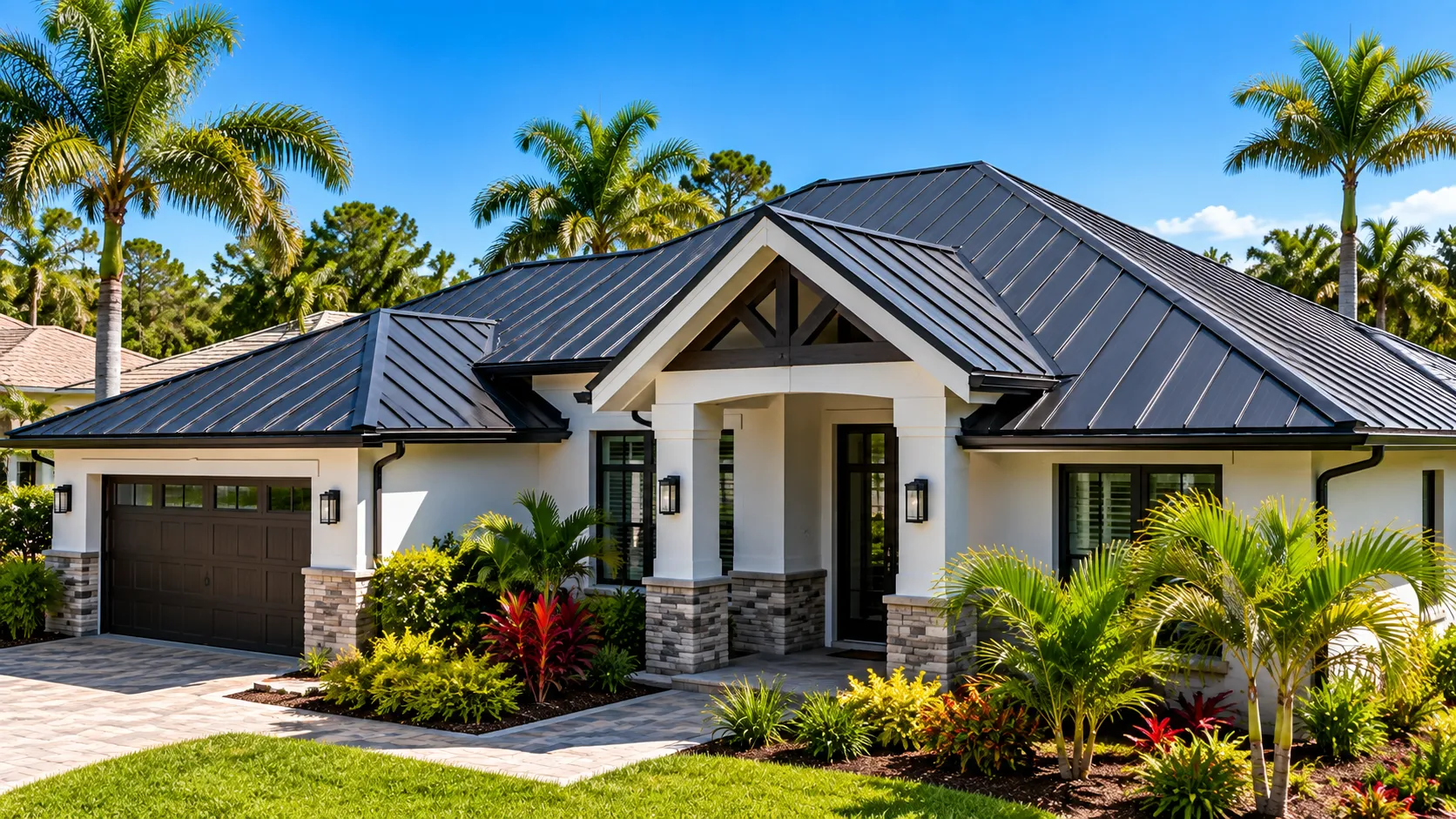

Choosing a new roof is a major decision, especially in Brooksville, where a roofing system has to perform through intense sun, high humidity, heavy rain, thunderstorms and periods of strong wind. Metal roofing has become an option many Florida homeowners consider because of its durability, relatively low maintenance needs and long-term performance.
However, choosing Metal Roofing Brooksville FL homeowners can rely on involves more than selecting a panel color or comparing prices. The type of metal roofing system, underlayment, flashing, ventilation, fastening method, roof design and quality of installation can all affect how well the finished roof performs.
Before making a decision, homeowners should understand how different metal roofing systems work, what makes them suitable for Florida conditions and which installation details deserve particular attention.
Why Is Metal Roofing Well Suited to Brooksville's Climate?
Metal roofing can be a practical option for Brooksville because a properly designed and installed system is built to shed rain efficiently while tolerating prolonged exposure to sun, heat and changing weather conditions.
Florida's climate creates several challenges for residential roofing. Strong sunlight continually heats roof surfaces, while humidity and heavy rainfall increase the importance of moisture management. Seasonal storms can also place additional stress on panels, edges, flashing and other roof components.
For that reason, homeowners should evaluate the roof as a complete system rather than focusing only on the visible metal panels.
A well-planned metal roof includes properly selected panels, underlayment, flashing, trim, fasteners, ventilation and drainage details. How these components work together can be just as important as the roofing material itself.
What Type of Metal Roofing System Should You Choose?
Not all metal roofing systems are constructed in the same way. Panel design and fastening methods can influence appearance, maintenance requirements and long-term performance.
One popular residential option is standing seam metal roofing. Standing seam systems feature raised seams between panels and the fastening components are generally concealed beneath the roofing surface.
Concealed fastening helps protect important attachment points from direct weather exposure. The design also allows the roof to have clean, continuous lines that complement many architectural styles.
Other metal roofing configurations use exposed fasteners. These systems can serve different applications, but homeowners should understand how the fasteners, washers, seams and penetrations will be maintained over time.
Rather than choosing a system based solely on appearance, ask how it will perform on your home's particular roof slope, layout and exposure.
Why Does Installation Quality Matter So Much?
Even a high-quality metal roofing product depends heavily on proper installation.
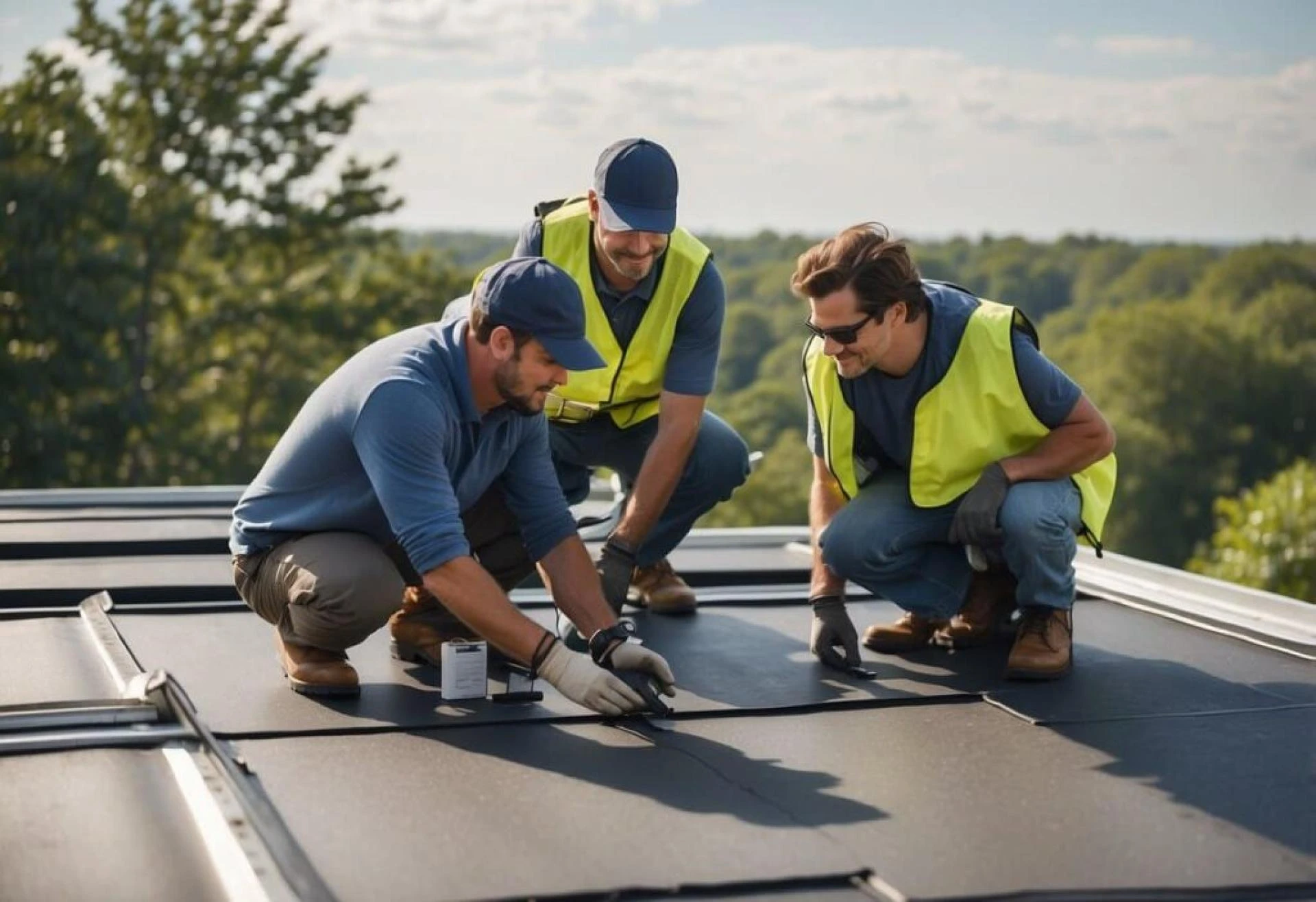
Metal panels must be measured, aligned, attached, flashed and finished correctly. Areas such as roof valleys, ridges, edges, penetrations, chimneys and vents require particular attention because these locations must manage water while maintaining the integrity of the roof assembly.
Florida conditions make these details especially important. Heavy rain can reveal weaknesses in poorly designed flashing, while strong winds place pressure on roof edges and attachment points.
Homeowners comparing options for metal roof installation in Brooksville, FL should therefore look beyond the panel manufacturer or color. Ask how flashing is fabricated, how penetrations are handled, what underlayment is being used and how the installer addresses the specific details of your roof.
Installation craftsmanship is one of the biggest factors affecting the real-world performance of a metal roofing system.
What Is Underneath a Metal Roof?
The metal panels are only the visible layer. Underneath them is another important part of the roofing system: the underlayment.
Underlayment provides a secondary layer of protection between the metal roofing and roof deck. It can help manage moisture that gets beneath the primary roofing surface and can provide temporary protection during installation.
Modern metal roofing projects may use synthetic or self-adhering peel-and-stick underlayment depending on the roof design and project requirements.
Synthetic underlayment is designed to provide moisture resistance while remaining lightweight and durable. Peel-and-stick products adhere directly to the roof deck and can provide additional protection against water intrusion.
The appropriate underlayment should be selected as part of the overall roof assembly rather than treated as an afterthought.
How Does Metal Roofing Handle Florida Heat?
Metal roofing can work well in hot climates, but homeowners should consider the entire roofing assembly when thinking about energy performance.
Certain metal roofing surfaces and finishes can reflect a portion of incoming solar energy instead of absorbing as much heat at the roof surface. However, actual indoor comfort and energy use depend on several factors, including roof color and finish, insulation, attic ventilation, home construction and HVAC efficiency.
This means homeowners should be cautious about assuming that installing a metal roof will automatically produce a specific reduction in their electric bill.
Instead, consider metal roofing as one part of a broader approach to managing heat. Appropriate ventilation and insulation can work alongside the roofing material to help the home manage Brooksville's warm climate.
Metal roofing is generally considered a relatively low-maintenance roofing option, but low maintenance does not mean no maintenance.
Periodic roof inspections can help identify small concerns before they develop into larger problems. Homeowners should pay attention to debris accumulation, drainage, gutters, sealants, flashing, penetrations and any visible changes to the roof surface.
After significant weather events, an inspection may also help identify damage that is difficult to see from ground level.
Homeowners should avoid walking unnecessarily on a metal roof. Besides the potential for personal injury, improper foot traffic can damage certain panels or finishes. Areas that require closer examination are better assessed by a qualified roofing professional.
How Long Can a Metal Roof Last?
One reason homeowners consider residential metal roofing is its potential for a long service life.
JK Johns Roofing & Sheet Metal states that properly installed metal roofing can often provide decades of service, with actual longevity depending on the system, environment, installation details and ongoing maintenance.
The important point is that lifespan should never be viewed as a guaranteed number.
Roof geometry, installation quality, moisture management, flashing, surrounding trees, weather exposure, maintenance and material selection can all influence how long a roof performs.
For homeowners planning to remain in the same house for many years, it can therefore be helpful to compare roofing options based on long-term ownership rather than initial price alone.
Metal Roof vs. Asphalt Shingles: What Should Homeowners Compare?
The choice between metal roofing and asphalt shingles should consider more than upfront cost.
Asphalt shingles generally have a lower initial installation cost, which can make them practical for many homeowners. Metal roofing typically requires a larger initial investment but may appeal to homeowners prioritizing longevity, lower routine maintenance, distinctive appearance, and long-term ownership.
When comparing the two, consider:
- Initial installation cost
- Expected service life
- Maintenance requirements
- Weather exposure
- Energy-related characteristics
- Appearance and architectural compatibility
Long-term replacement plans
There is no single roofing material that is ideal for every property. The better option depends on the condition and design of the home, budget, priorities and how long the homeowner expects to own the property.
Why Are Flashing and Trim Details Important?
Flashing may not receive as much attention as roofing panels, but it is essential to moisture management.
Flashing is used around roof transitions, walls, valleys, vents, chimneys and other areas where water needs to be redirected away from vulnerable parts of the roof.
With metal roofing, accurate fabrication and installation of these components are particularly important. Poorly fitted flashing can undermine an otherwise high-quality roofing system.
JK Johns Roofing & Sheet Metal notes that it operates an in-house sheet-metal shop and provides custom flashing fabrication as part of its metal roofing capabilities. This allows components to be created for specific project requirements rather than treating every roof as identical.
What Should You Ask Before Choosing a Metal Roofing Contractor?
Homeowners should feel comfortable asking detailed questions before approving a roofing project.
Find out which metal roofing system is being proposed and why it is appropriate for your home. Ask about the underlayment, flashing, fastening approach, roof-deck preparation, ventilation considerations, inspection process and maintenance recommendations.
It is also helpful to understand exactly what is included in the estimate.
A detailed conversation can reveal whether the roofing recommendation is genuinely tailored to the property or simply based on a standard package.
Choosing Metal Roofing in Brooksville, FL With Confidence
A metal roof is a complete roofing system, not simply a collection of metal panels. Panel type, underlayment, flashing, fastening, ventilation, drainage, fabricatio and installation all contribute to its performance.
For homeowners researching Metal Roofing Brooksville FL, the most useful approach is to consider both immediate needs and long-term ownership. Look at how the roof will handle Brooksville's sun, humidity, rain and changing weather while also considering maintenance, appearance, energy performance and installation quality.
If you are considering replacing an existing roof with metal, JK Johns Roofing & Sheet Metal provides standing seam metal roofing and related roofing services in Brooksville and surrounding areas. A professional roof inspection can help determine the condition of your existing roof and which roofing system is appropriate for your property.
Frequently Asked Questions
1. Is a standing seam metal roof a good option for Brooksville homes?
Standing seam metal roofing can be well suited to Brooksville because its concealed-fastener design provides a clean roofing surface while limiting direct exposure of attachment points. However, performance depends on the complete installation, including underlayment, flashing, roof edges, penetrations and panel attachment. Homeowners should have the roof evaluated before deciding which metal system fits their property.
2. Does a metal roof make a house hotter in Florida?
Not necessarily. Metal roofing can reflect some solar energy, particularly when appropriate colors and finishes are selected. However, indoor temperatures depend on much more than roofing material. Insulation, attic ventilation, roof assembly, windows and HVAC performance also matter. Homeowners should consider the roof as part of the home's overall heat-management system.
3. Is metal roofing better than asphalt shingles in Brooksville?
Neither option is automatically better for every home. Metal roofing may appeal to homeowners seeking long-term durability and relatively low maintenance, while asphalt shingles generally offer a lower upfront cost. Budget, roof design, expected ownership period, maintenance preferences, aesthetics, and weather exposure should all be considered before choosing between them.
4. How often should a metal roof be inspected?
There is no universal inspection schedule for every property. Periodic professional inspections are useful for checking flashing, sealants, drainage, penetrations, debris and other roof components. An additional inspection may be appropriate after unusually severe weather or when homeowners notice leaks, loose components, drainage problems or other visible changes.
5. What underlayment is used beneath metal roofing?
Metal roofing systems can use different underlayment materials, including synthetic products and self-adhering peel-and-stick membranes. Underlayment creates an additional protective layer between the metal panels and roof deck. The appropriate product depends on the roof assembly, installation requirements and environmental conditions, so it should be selected as part of the complete roofing design.
6. Is metal roofing noisy during heavy Florida rain?
A properly installed residential metal roof over solid decking and suitable underlayment is generally much different from the thin metal roofs people sometimes associate with sheds or barns. The decking, underlayment, attic space, ceiling materials, and insulation can all help control sound. Actual noise levels therefore depend on the complete construction of the home.
7. What should I check before getting a metal roof installed?
Start by having the existing roof and roof deck evaluated. Ask about the proposed panel system, underlayment, flashing, fastening method, ventilation, drainage, warranties, maintenance and what is included in the estimate. Understanding these details makes it easier to compare roofing proposals based on complete system quality rather than price alone.















Sign in to leave a comment.