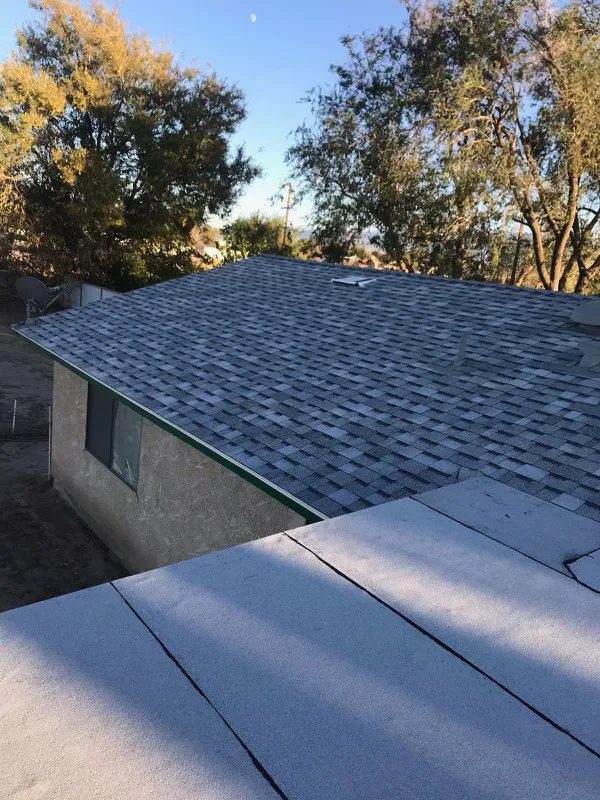

Most roofing comparisons are written for a generic climate. Northeast Ohio is not generic. A roof here has to handle lake-effect snow, long stretches of freezing and thawing, spring hail, strong wind off Lake Erie and humid summers, sometimes all within the same year.
That is why the metal-versus-asphalt question deserves a local answer. If you are weighing metal roofing in Cleveland against a new asphalt shingle roof, the useful comparison is not which material is "better" in general, but how each one behaves through the specific conditions your house will face.
Below, the two materials are compared side by side on the points that matter most in this climate. Neither wins every round, and the right answer depends on your house, your budget and how long you plan to stay. Read the comparison as a set of questions to bring to your contractor rather than a verdict.
1. How Snow Behaves on Each Roof
Snow tends to slide off a metal roof in sheets once the sun or attic heat loosens it, while on asphalt shingles it usually sits until it melts. Shedding snow reduces the load on the roof, which is a real advantage after a heavy lake-effect event. The downside is where that snow lands: on walkways, decks, shrubs, gutters and sometimes people. Metal roofs over entrances and driveways often need snow guards, which should be part of the quote rather than an afterthought. With shingles, the snow stays put, so the question shifts to whether the roof structure and the eaves can handle the weight and the meltwater.
2. Ice Dams
Ice dams form when heat escaping into the attic melts snow on the upper roof and the meltwater refreezes at the colder eaves. Because snow often slides off metal before it can build up, metal roofs tend to be less prone to ice dams, but they are not immune. On either material, the real cure is the same: proper attic insulation, air sealing and ventilation, plus a waterproof underlayment along the eaves. A contractor who suggests that switching materials alone will solve an ice dam problem is skipping the actual cause.
3. Freeze-Thaw Cycles
Repeated freezing and thawing is hard on every roof, but it attacks the two materials differently. On asphalt shingles, water that works into small cracks expands as it freezes, which speeds up cracking, granule loss and the breakdown of the shingle edges. Metal does not absorb water, but it expands and contracts with temperature swings. On exposed-fastener panels, that movement can gradually loosen screws and wear the rubber washers that seal them, while standing-seam systems use clips designed to let the panels move.
4. Wind
Wind off the lake can lift shingle edges and tear off tabs, particularly on older roofs where the adhesive strips have weakened. Shingles rely on a sealant strip that bonds in warm weather, which means a roof installed late in the fall may not fully seal until the following spring. Metal panels are fastened mechanically rather than relying on adhesive, and a properly installed metal roof is generally very resistant to wind. On both materials, the weak points are the edges, ridges and corners, so ask how those details will be secured.
5. Hail
Hail can bruise or fracture asphalt shingles, which shortens their life even when the damage is hard to see from the ground. On metal, hail is less likely to cause leaks but can leave visible dents. Both materials are available with impact ratings under the UL 2218 standard, where Class 4 is the highest, and it is worth asking which rating a specific product carries. Also read your homeowners policy: some policies treat dents on a metal roof as cosmetic damage and exclude it, which changes the insurance picture considerably.
6. Upfront Cost
Asphalt shingles are almost always the lower-cost option to install, and that is the main reason they cover most houses in the region. Metal costs more because the material is more expensive and installation takes more specialized labor and trim work. The gap varies a great deal with the type of metal system, the complexity of the roof and how much tear-off and decking repair is needed. The only reliable way to compare is to get itemized quotes for both materials on your actual roof, so you can see exactly where the difference comes from.
7. Lifespan and Long-Term Cost
A well-installed metal roof generally lasts considerably longer than an asphalt shingle roof, which is the core of the argument for paying more up front. Whether that longer life pays off depends on how long you expect to own the house. If you plan to stay for decades, a roof that may never need replacing during your ownership can make sense. If you expect to sell in a few years, you may not recover the extra cost, although a newer roof of either type is a selling point. Ask each contractor for the manufacturer's warranty terms in writing, including whether the warranty transfers to a buyer, since that affects resale value as well.
8. Repairs
Asphalt shingle roofs are easy to repair: a damaged section can be patched quickly by almost any roofer, although matching the color of an older roof can be difficult. Metal roofs need repair less often, but when they do, the work is more specialized. Replacing a damaged panel on a standing-seam roof can mean unfastening neighboring panels, and finding a color and profile match years later is not guaranteed. Before choosing metal, ask who will service the roof if something goes wrong and whether spare panels can be set aside. With shingles, keeping a bundle of leftover shingles from the installation is a simple way to make future patches match.
9. Noise
The idea that metal roofs are loud comes largely from barns and sheds, where metal is fastened directly to open framing. On a house, metal is normally installed over solid decking and underlayment, with an insulated attic below, which absorbs most of the sound. Many homeowners find heavy rain noticeably louder on metal than on shingles, but rarely by enough to matter in the living space. If noise is a concern, ask about the underlayment and decking that will go beneath the panels.
10. Condensation
A metal roof surface cools quickly on clear nights, and in humid conditions moisture can condense on its underside. On a properly built roof this is handled by the underlayment and by good attic ventilation, but it becomes a problem when either is missing or poorly installed. Asphalt shingles are less sensitive to this issue, though poor ventilation causes its own problems under any material. In a region with humid summers and cold winters, ventilation should be part of the conversation whichever material you pick.
11. Appearance and Older Homes
Greater Cleveland has a large stock of older homes, and appearance matters on them. Architectural shingles suit most traditional styles without drawing attention, while metal can look sharply modern or, in some profiles, can mimic shingles, slate or shakes. Some communities have design review requirements for exterior changes, so check with your city before committing to a material that changes the look of the house. It is also worth looking at real installed examples, not just brochure photos, before you decide. Color and finish look very different on a full roof in grey winter light than on a small sample chip.
12. The Installer Matters More Than the Material
Either material will fail early if it is installed badly. Asphalt shingle installation is widely understood, but metal roofing demands different skills, tools and trim details, and not every roofing crew has much experience with it. Ask how many metal roofs the contractor has installed, whether they use their own crews, and what workmanship warranty they offer in writing. A modest material installed well will outperform a premium material installed poorly. It is also worth confirming who handles warranty claims if the installer is no longer in business.
13. Weight and Installing Over Old Shingles
Metal roofing is much lighter than asphalt shingles, and some metal systems can be installed over a single existing layer of shingles where local codes allow it. That can reduce tear-off and disposal costs, and it is sometimes presented as a major selling point. The trade-off is that covering the old roof also hides the decking, so rotted boards or old leak damage stay in place under the new material. Before agreeing to an overlay, ask how the contractor will confirm the condition of the decking and what happens if they find problems partway through the job. The same trade-off applies to laying new shingles over old ones, and building codes limit how many layers any roof can carry, so a full tear-off is often the cleaner starting point with either material.
14. Summer Heat and Energy Use
Metal roofs with reflective finishes absorb less of the sun's heat than dark asphalt shingles, which can keep the attic cooler in summer. Lighter-colored and reflective shingles are also available and narrow that gap. In Northeast Ohio, where heating costs usually outweigh cooling costs over a year, the energy savings from a reflective roof tend to be more modest than in hotter parts of the country. Attic insulation and air sealing will usually do more for your energy bills than the roofing material itself. Treat energy savings as a bonus to weigh, not the main reason to choose.
Choose for the Winter You Actually Have
There is no universal winner here. Metal offers longer life, snow shedding and strong wind resistance at a higher upfront cost and with more specialized repairs. Asphalt shingles offer lower cost, easy repairs and a familiar look, with a shorter lifespan and more exposure to freeze-thaw wear. The right choice depends on your roof's shape, your attic, your budget and your plans for the house. Whatever you choose, the attic ventilation and eave protection underneath will decide as much about the roof's performance as the material on top.
If you live close to the lake, as many homeowners do, snow, wind and ice will test whichever roof you choose. When you talk to roofing contractors in Lakewood or elsewhere in the region, ask them to quote both options in itemized form and to explain how each one would handle your specific house through a lake-effect winter.
This article was contributed by BH Roofing, a roofing contractor serving Northeast Ohio.

























Sign in to leave a comment.