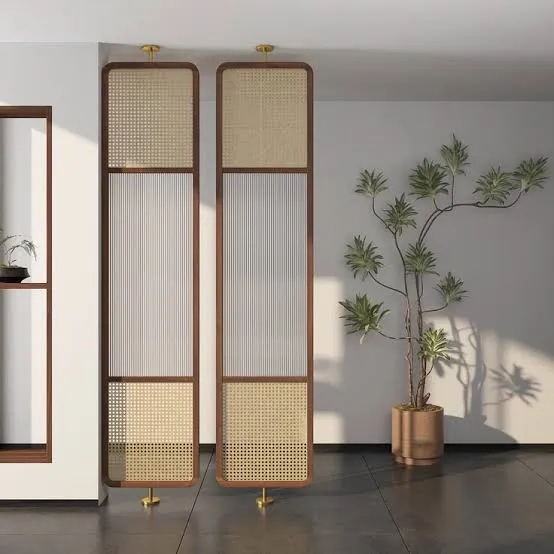

A well-designed interior is about more than furniture and color. The way you divide, organize, and define different areas can have a major impact on how a room feels. When you want to create separation without making a space feel closed in, decorative wood panels can offer an attractive solution.
A mid century modern panel combines clean lines, warm wood tones, and practical design to create a feature that works in many interiors. Whether you want to divide an open-plan room, create a private corner, or add architectural interest, wood and cane panels can bring both function and character to your space.
From living rooms and bedrooms to home offices and entryways, there are many ways to use a mid century wood screen while maintaining an open and welcoming atmosphere.
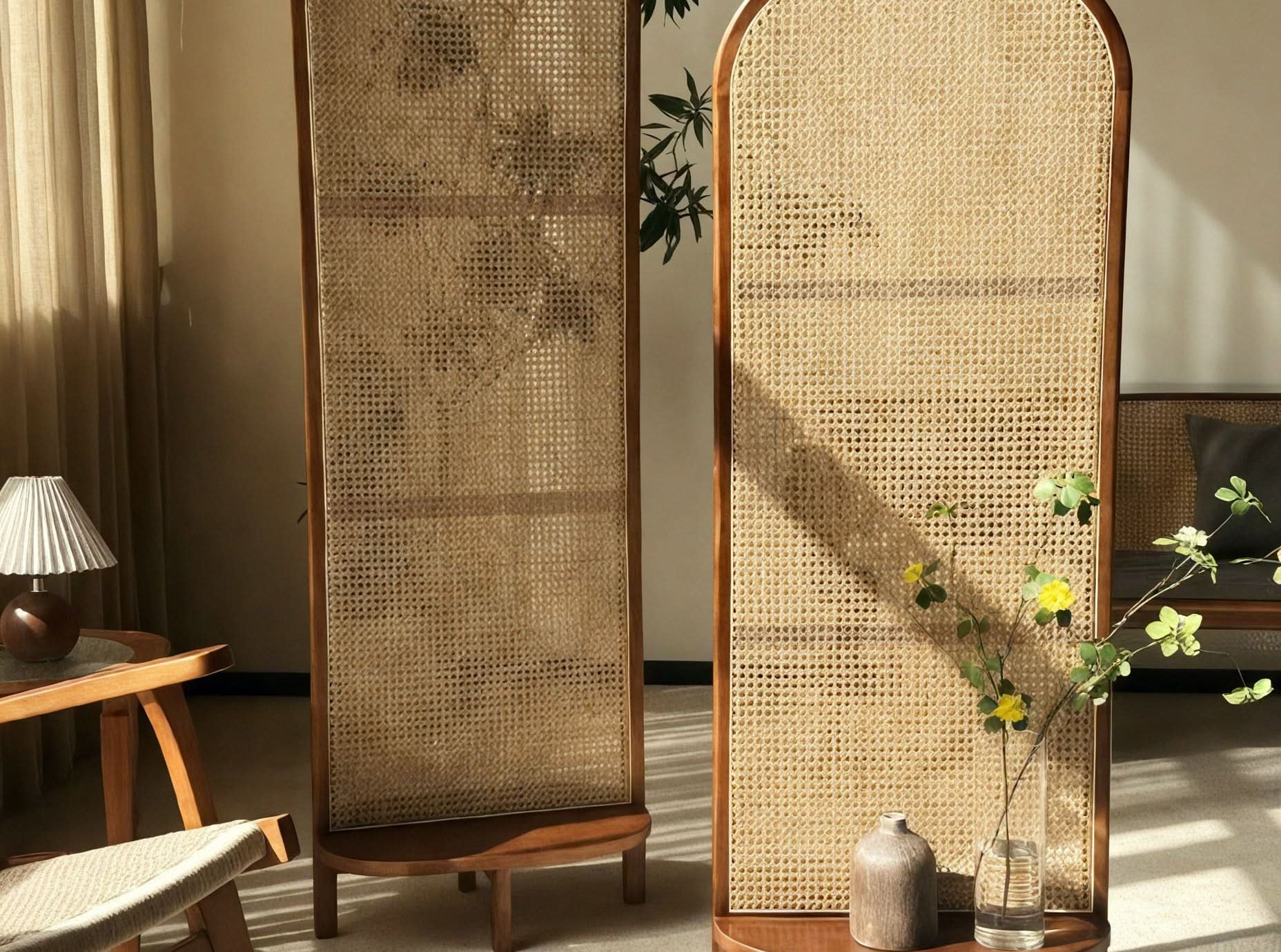
What Is a Mid Century Modern Panel?
A mid century modern panel is a decorative architectural element inspired by the design principles of the mid-century modern era.
This style is generally associated with simple forms, natural materials, functional design, and an appreciation for the relationship between furniture and architecture.
Wood is particularly well suited to this aesthetic because it introduces warmth without overwhelming the room.
A panel featuring a combination of wood and cane can provide visual separation while still allowing light and air to move through the space. This makes it especially useful in modern homes where completely solid walls may feel too restrictive.
Why Wood Panels Work So Well in Modern Interiors
Natural wood has a timeless quality that works across many interior styles.
While painted walls and metal partitions can create a more industrial appearance, wood tends to make a room feel warmer and more inviting.
A wood panel can also become part of the room's overall design rather than simply functioning as a divider.
The texture of wood can complement:
- Neutral walls
- Natural fabrics
- Leather furniture
- Indoor plants
- Wooden flooring
- Woven accessories
- Mid-century furniture
- Contemporary décor
This versatility makes wood panels useful for homeowners who want a functional feature without sacrificing style.
Using a Mid Century Wood Screen to Divide Open Spaces
Open-plan interiors are popular because they make rooms feel larger and encourage a sense of connection. However, completely open spaces can sometimes lack definition.
A mid century wood screen can help solve this problem.
Instead of constructing a permanent wall, a screen can visually separate areas while preserving some of the openness of the original layout.
For example, you could use a screen to distinguish a living room from a dining area or separate a workspace from the rest of a larger room.
The result is a more organized interior without making the space feel divided into small enclosed sections.
Create Privacy Without Closing Off the Room
Privacy does not always require a solid wall.
A wood panel privacy screen can provide a visual barrier while maintaining a lighter and more open appearance. This can be especially useful in bedrooms, home offices, dressing areas, and shared living spaces.
A cane insert can add another layer of visual interest. Its open pattern allows some light to pass through while reducing direct visibility between two areas.
This makes the screen useful when you want privacy without completely blocking natural light.
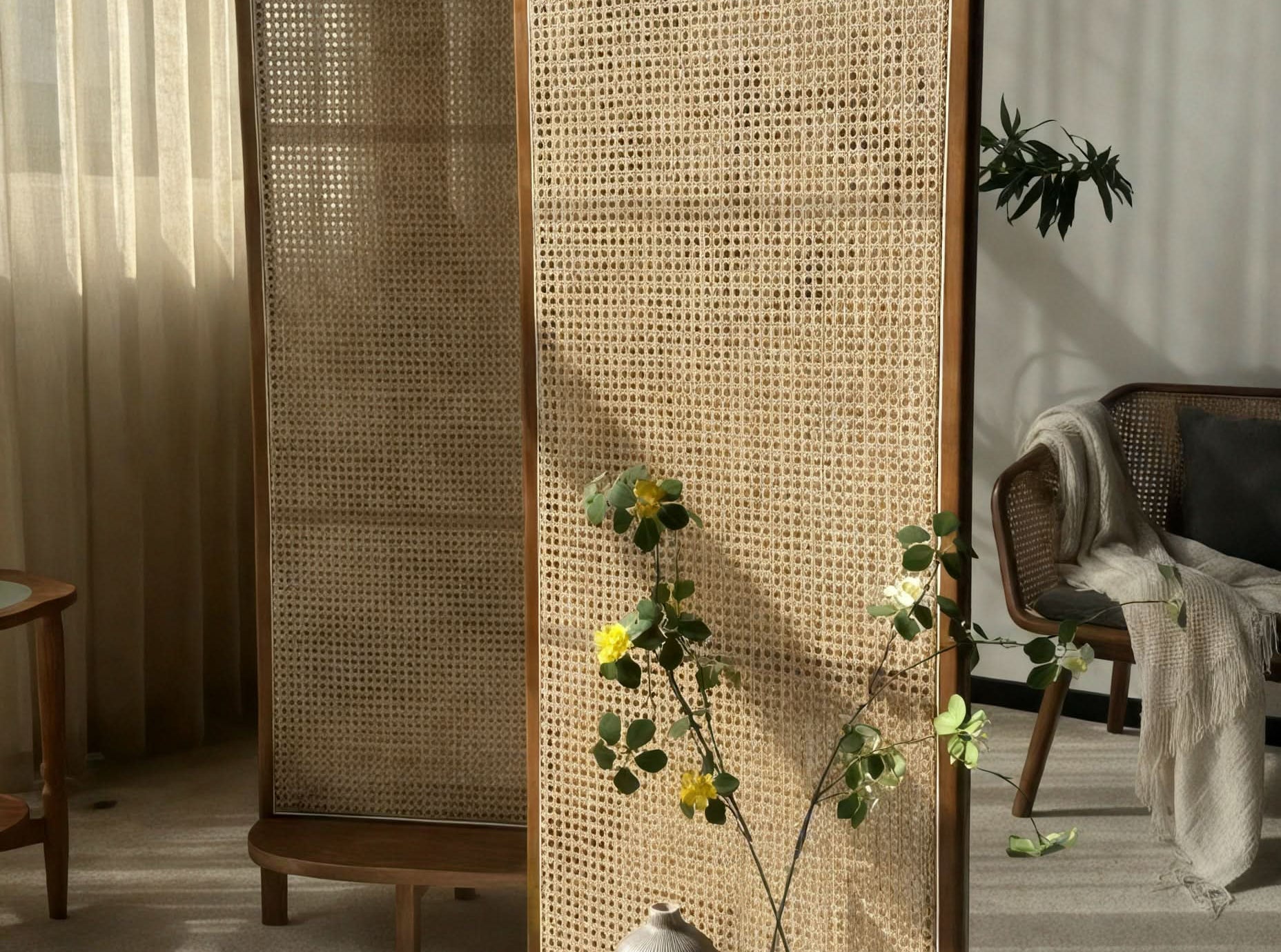
Wood Panel Privacy Screen Ideas for Different Rooms
One of the benefits of a wood panel privacy screen is that it can be used in several areas of the home.
Living Room
A panel can create a subtle division between the living room and another area without interrupting the overall flow of the space.
It can also be used behind a sofa or near an entrance to create a defined zone.
Bedroom
In a bedroom, a panel can help separate a sleeping area from a dressing space or create a more private corner.
The warm appearance of wood can also complement soft textiles and natural colors commonly used in bedroom décor.
Home Office
Working from home often requires a dedicated space, but not every home has a separate office.
A wood screen can create a visual boundary around a desk without requiring permanent construction.
This can make the workspace feel more intentional while allowing it to remain connected to the rest of the room.
Entryway
An entryway screen can provide separation between the entrance and the main living area.
It can also become a decorative focal point while creating a greater sense of privacy as people enter the home.
Choosing a Custom Wood Privacy Screen
Every interior has different dimensions and design requirements. This is where a custom wood privacy screen can be particularly useful.
Instead of adapting the room to a standard-sized divider, a custom solution can be designed around the available space.
Before choosing a custom panel, consider the following:
Room dimensions: Measure the area carefully to determine the appropriate width and height.
Purpose: Decide whether the screen is mainly decorative, intended for privacy, or needed to divide two functional areas.
Wood finish: Consider how the wood tone will work with your flooring, furniture, walls, and other materials.
Pattern: A cane or open design can allow more light through than a completely solid panel.
Placement: Think about how people move through the room and whether the panel could interfere with doors, furniture, or walkways.
Cane and Wood: A Natural Combination
Wood and cane work particularly well together because they provide contrasting textures.
The solid wood frame creates structure, while the woven cane introduces a lighter and more organic visual element.
This combination is strongly associated with vintage and mid-century-inspired interiors, but it can also work in contemporary spaces.
A cane panel can soften the appearance of a room dominated by hard surfaces such as glass, metal, or polished flooring.
It can also complement other natural materials, including rattan, linen, wool, stone, and unfinished wood.
How to Style a Mid Century Modern Panel
A panel should work with the existing interior rather than appear disconnected from it.
If your room already features warm wood furniture, choose a finish that complements those tones.
For a minimalist interior, allow the panel to act as the main decorative feature without adding too many competing elements.
Plants can also work particularly well alongside wood and cane. Greenery adds another natural texture while helping connect the panel with the rest of the room.
For a classic mid-century-inspired look, consider combining the panel with simple furniture, tapered legs, neutral upholstery, geometric patterns, and warm lighting.
Decorative and Functional Benefits
A panel does not have to serve only one purpose.
A well-positioned divider can provide privacy, organize the room, and add architectural character at the same time.
This makes panels particularly valuable in smaller homes and open-plan interiors where every design element needs to serve a practical function.
Instead of adding a large piece of furniture simply to divide a room, a panel can provide separation with a lighter visual footprint.
Is a Privacy Screen Better Than a Permanent Wall?
For some spaces, yes.
A permanent wall can provide complete separation, but it also requires more construction and permanently changes the layout.
A privacy screen provides a different type of flexibility.
It can create a boundary without completely disconnecting two spaces. Depending on the design and installation, it can also preserve natural light and maintain visual continuity.
For homeowners who like adaptable interiors, this can be an important advantage.
Maintaining Your Wood and Cane Panel
Natural materials require appropriate care to maintain their appearance.
Dust the wood regularly with a soft, dry cloth. Avoid excessive moisture and harsh cleaning products that could affect the finish.
Cane should also be kept clean and protected from unnecessary moisture. Regular light cleaning can help prevent dust from accumulating within the woven areas.
If the panel is placed near direct sunlight, monitor the wood and cane over time. Natural materials can change appearance when exposed to strong sunlight for extended periods.
Choosing the Right Panel for Your Home
Before selecting a panel, think about the overall purpose of the installation.
If privacy is your main priority, consider a design that provides greater visual coverage. If your goal is mainly to divide a room while maintaining openness, an open cane pattern may be more suitable.
You should also consider the existing style of your home.
A mid century modern panel can complement both traditional and contemporary interiors when the proportions, materials, and finish are selected carefully.
The best choice is one that feels like a natural part of the room rather than an addition that was placed there afterward.
Conclusion
A thoughtfully chosen wood panel can transform the way an interior looks and functions. It can divide an open-plan room, create a private area, introduce natural texture, and add architectural character without the heaviness of a permanent wall.
A mid century modern panel is especially appealing for homeowners who appreciate clean lines, warm materials, and timeless design. A mid century wood screen can create separation while keeping a room visually connected, while a wood panel privacy screen can provide a practical balance between openness and privacy.
For spaces with specific dimensions or design requirements, a custom wood privacy screen can provide even greater flexibility.
With the right placement, finish, and proportions, wood and cane panels can become both a functional solution and a distinctive feature of your interior.























Sign in to leave a comment.